A free site visit, a check of what your lot allows and a written, line-item price.
Get your free estimateFast, Reliable Room Addition Contractor Across Hawaiian Gardens
A room addition in Hawaiian Gardens typically costs between $180 and $340 per square foot, with most projects landing between $65,000 and $140,000 depending on size, foundation work, and finish level. That’s the honest range we quote from the first phone call, and it’s backed by a written price before any work starts. Hawaiian Gardens is a city of roughly one square mile, so nearly every addition we build here is an infill project on an existing post-war tract lot, not fresh construction on open land. Our crews know those lots, the setback rules that govern them, and what it takes to get a plan through the City of Hawaiian Gardens without a redesign. Call (903) 568-7222 and we’ll start with a free estimate and a straight answer on what your addition will actually cost.
Why Benson ADU Builders Is Hawaiian Gardens’s Preferred Room Addition Contractor Company
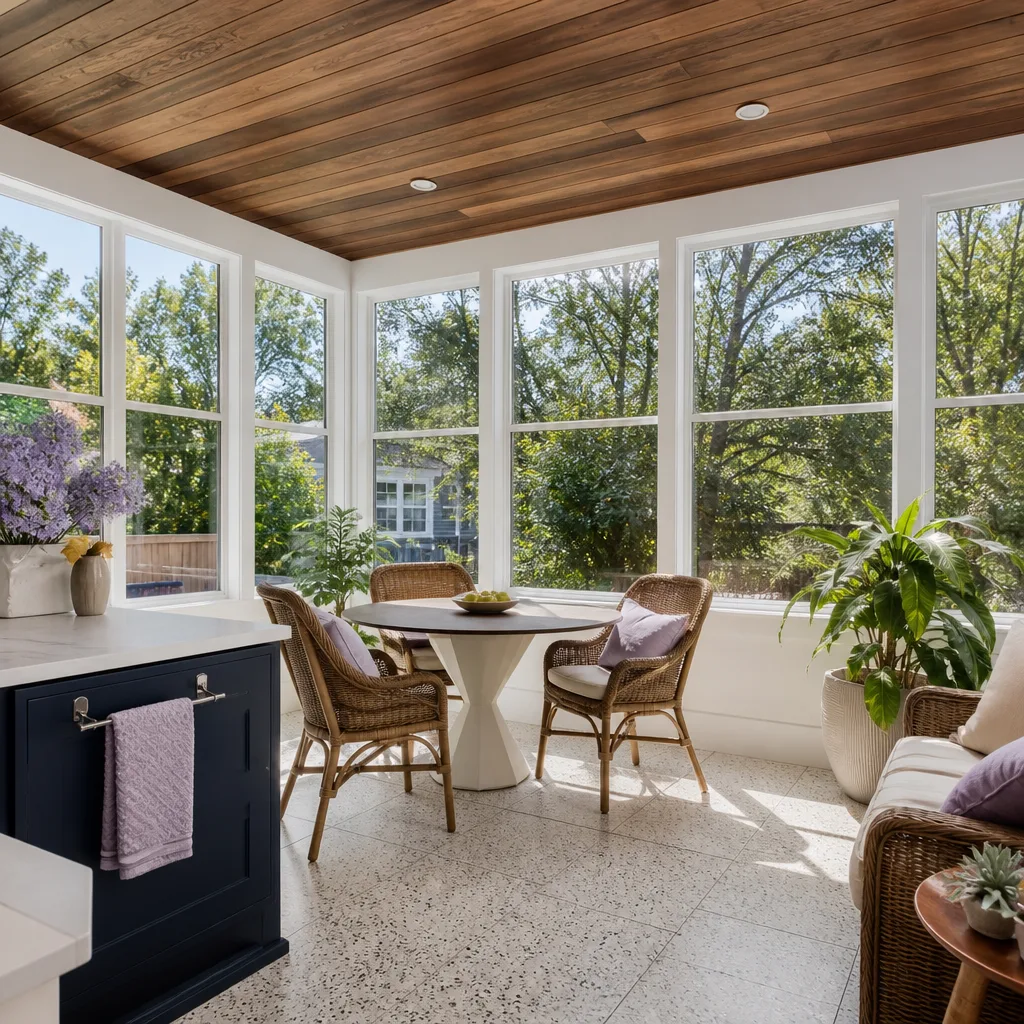
Hawaiian Gardens homeowners call us because we treat a room addition like the five-figure investment it is. That starts with a written price before any work begins, not a verbal ballpark that drifts once the hammer comes out. Troy Eastman leads our team, and he’s built Benson ADU Builders around a simple premise: if the number isn’t in writing, it isn’t a number. The 365-Day Done Right Promise goes on every project we sign in Hawaiian Gardens, so if something isn’t right within a full year, we come back and make it right. That’s not a marketing line. It’s stamped on the agreement.
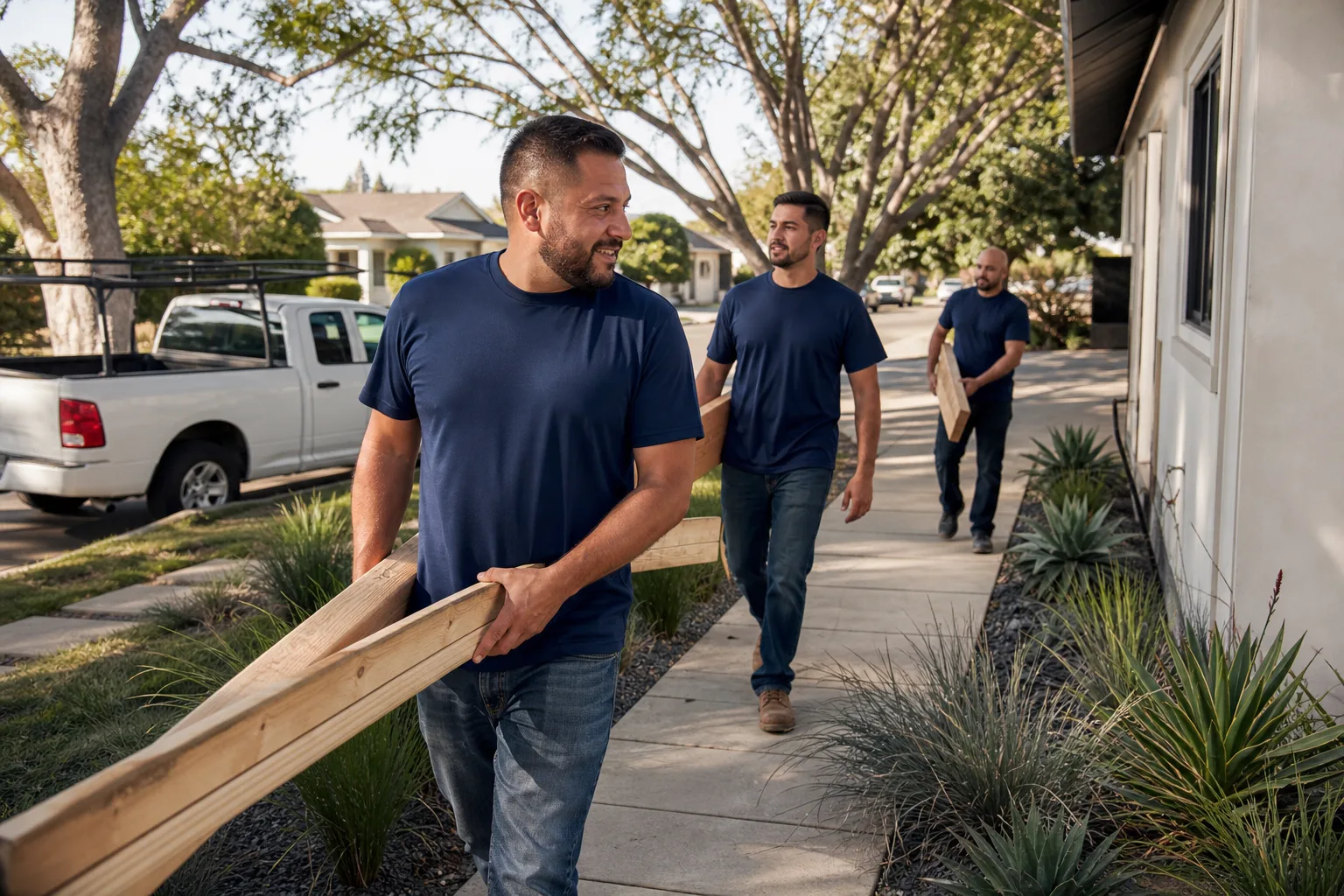
We also know what Hawaiian Gardens plan check actually looks for. The city’s housing stock is largely 1950s tract construction, which means older slabs, tighter lots, and title-24 energy requirements that catch first-time homeowners off guard. We scope those into the bid before you sign, not after. Every technician who walks onto your property is background-checked and uniformed, and a live person answers our phones 24/7. When a Hawaiian Gardens homeowner calls at 9 p.m. on a Tuesday, they get a human being, not a voicemail loop.
Modular Home Addition in Hawaiian Gardens
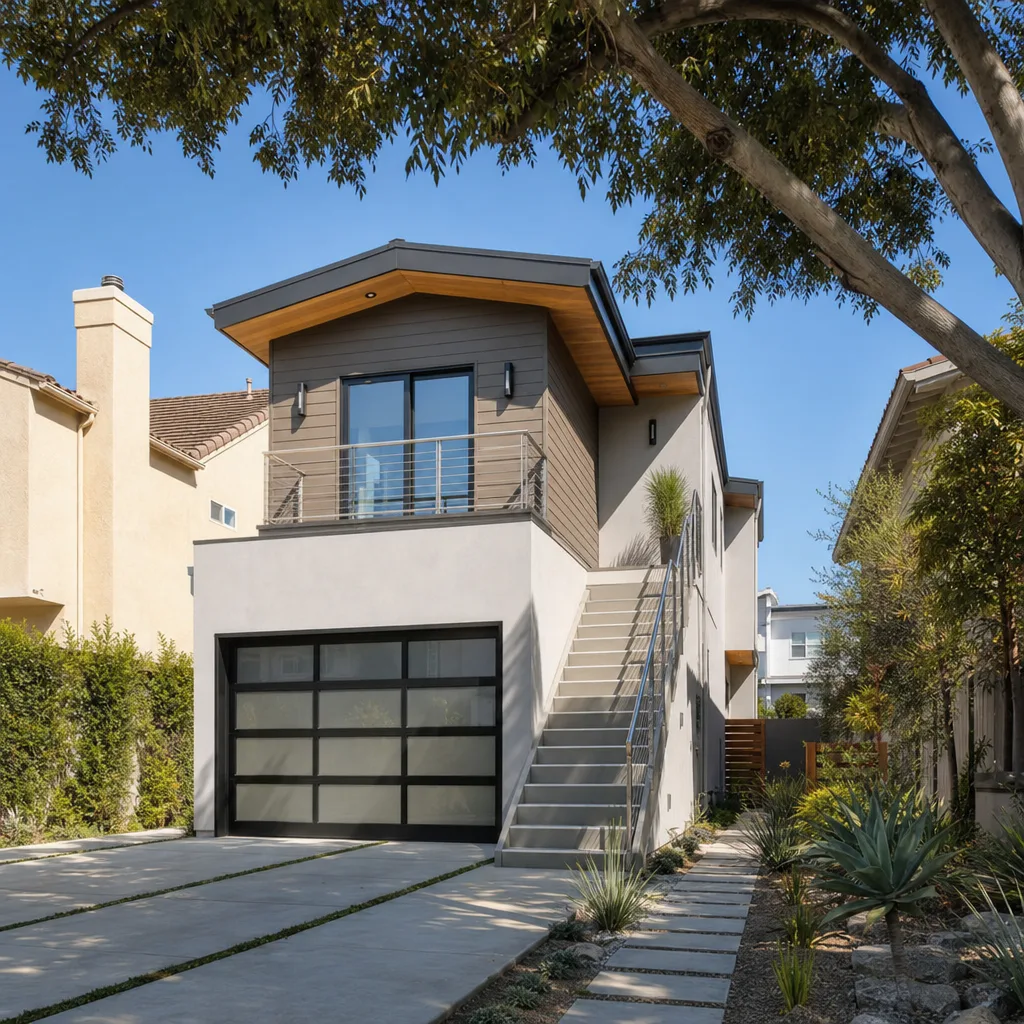
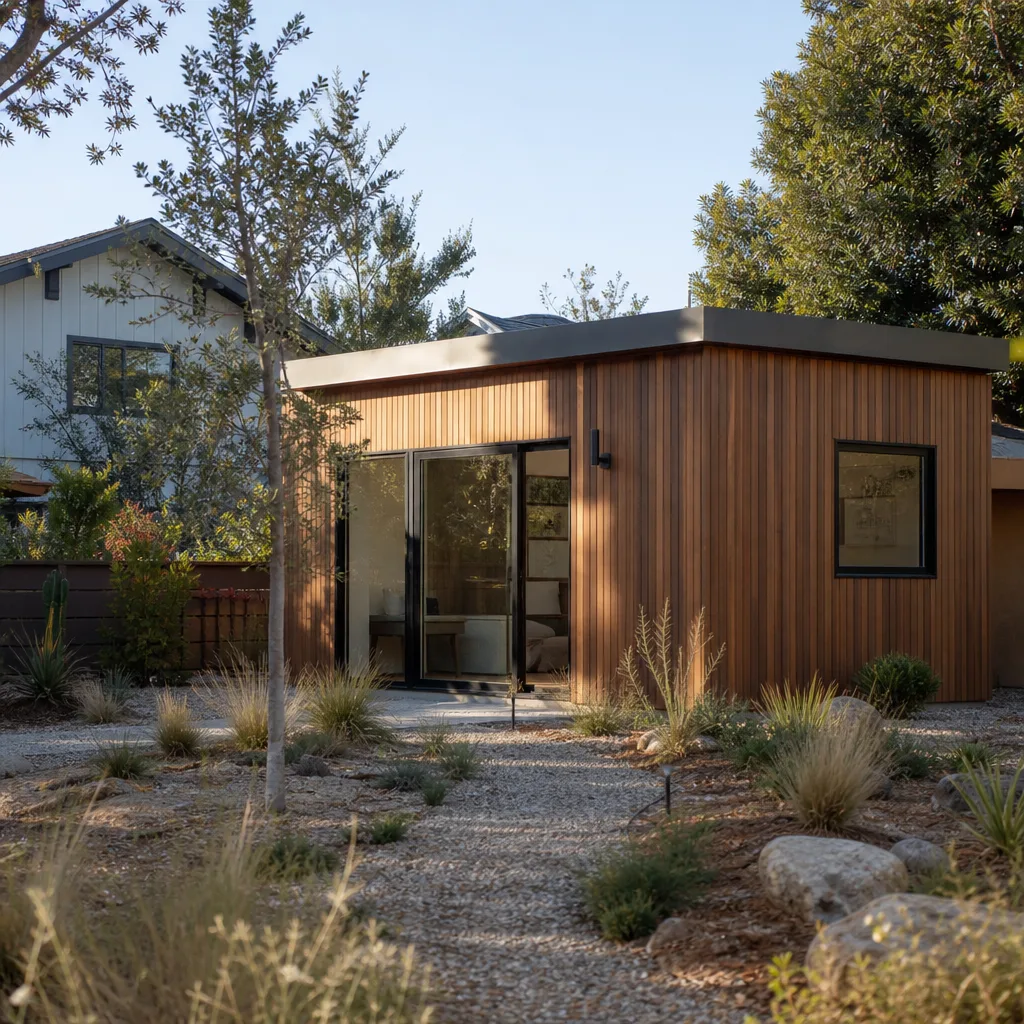
A Modular Home Addition in Hawaiian Gardens is worth a close look if you’re weighing speed against site-built framing. The panels and modules are fabricated off-site, then delivered and set on your foundation in days instead of months. That matters on Hawaiian Gardens’ small lots, where a shorter on-site build means fewer weeks of crews, dumpsters, and material staging in a tight driveway. Troy Eastman’s team works with brands like Abodu, Cover, and Dvele, so you can research the product quality yourself before committing.
What Modular Cuts and What It Doesn’t
Modular construction shortens the framing and rough-in phase dramatically, but it doesn’t bypass the foundation, the permits, or the utility connections. On a Hawaiian Gardens lot with a 1950s slab, we’re still going to evaluate the existing concrete, pull the permit, and coordinate inspections. Most modular room additions in Hawaiian Gardens land between $70,000 and $120,000 all-in, depending on the module size and how much site work your lot requires.
Site Setup on a Tight Hawaiian Gardens Lot
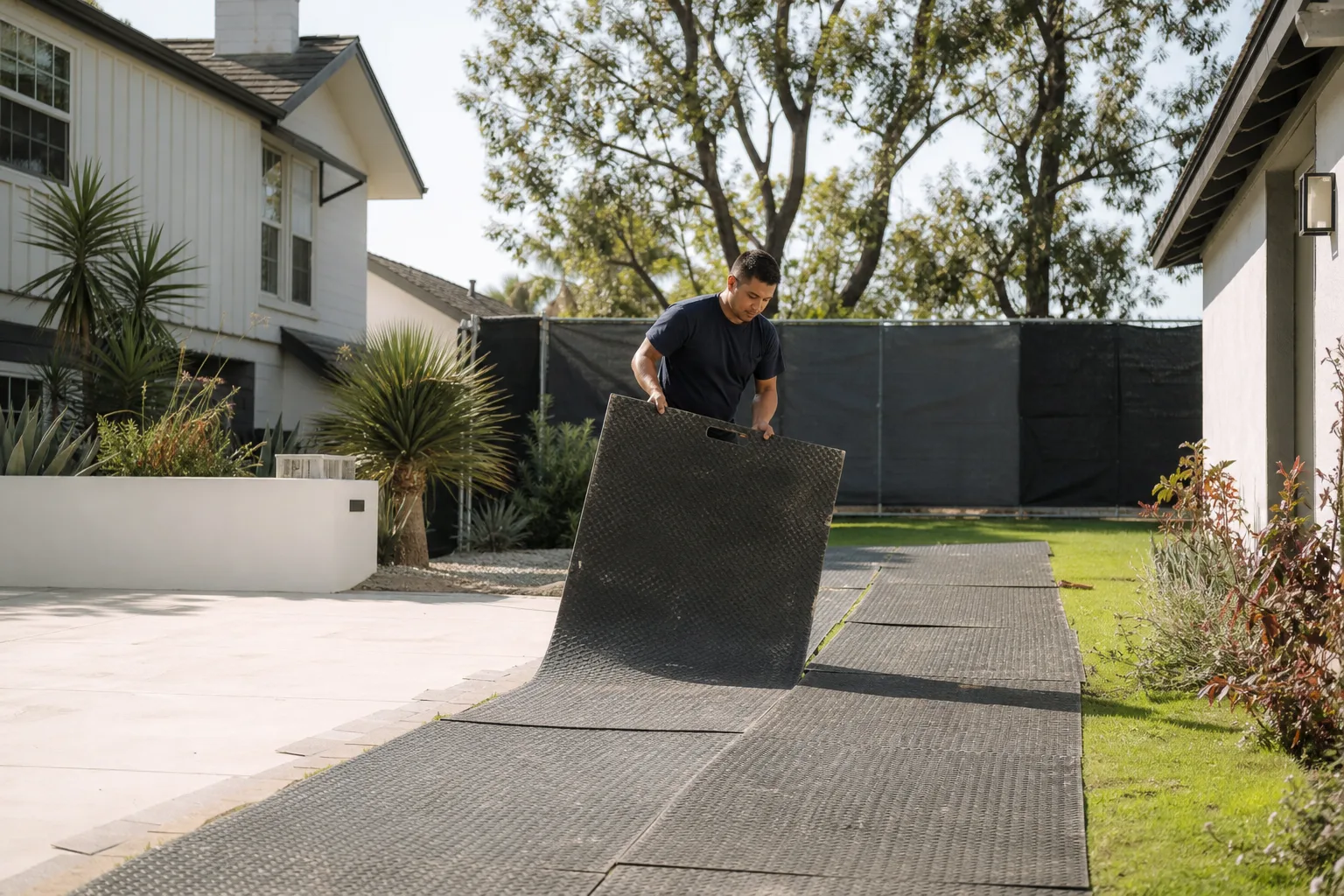
Delivering modules to a 5,000-square-foot Hawaiian Gardens lot takes planning. Access from streets like Norwalk Boulevard or 226th Street can be tight, and we map the crane or delivery route before you sign. That pre-planning is exactly the kind of thing that keeps a modular addition from becoming a surprise festival of change orders.
Home Addition Plans in Hawaiian Gardens
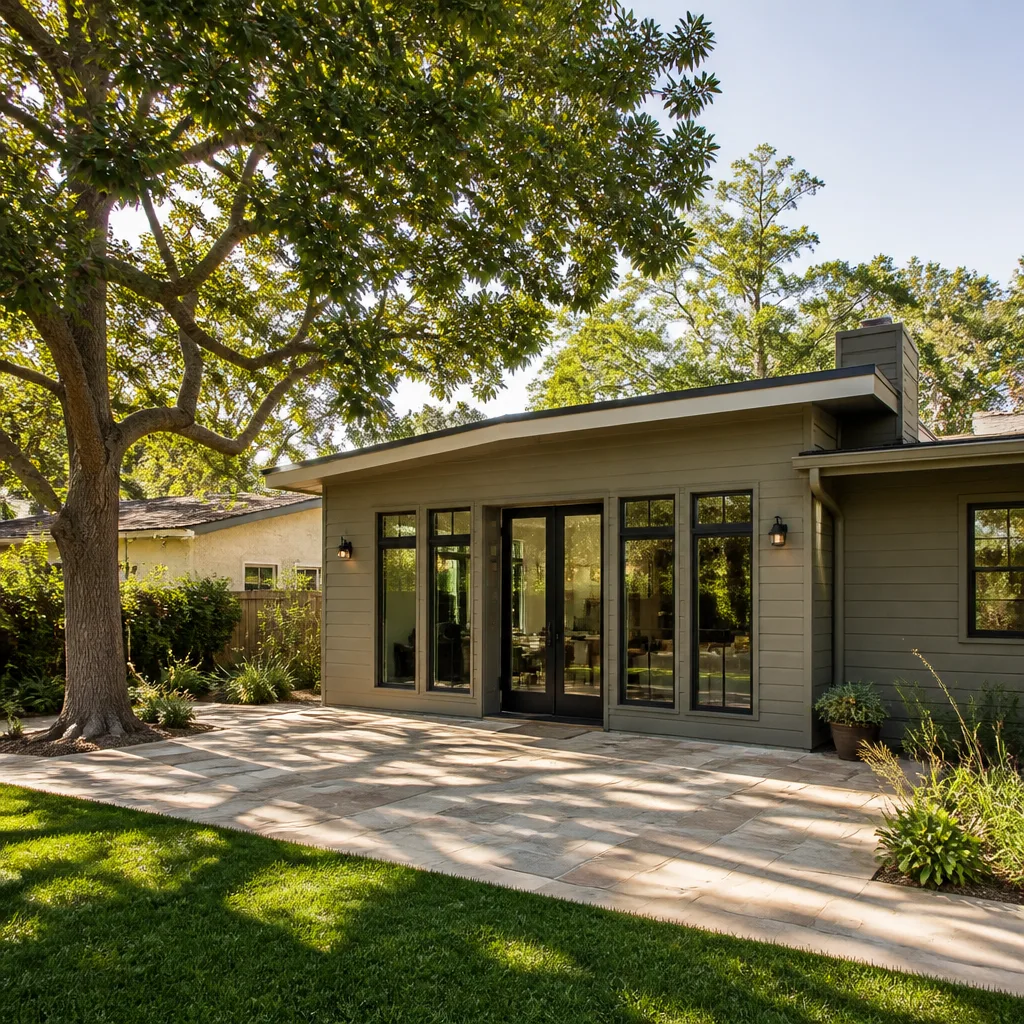
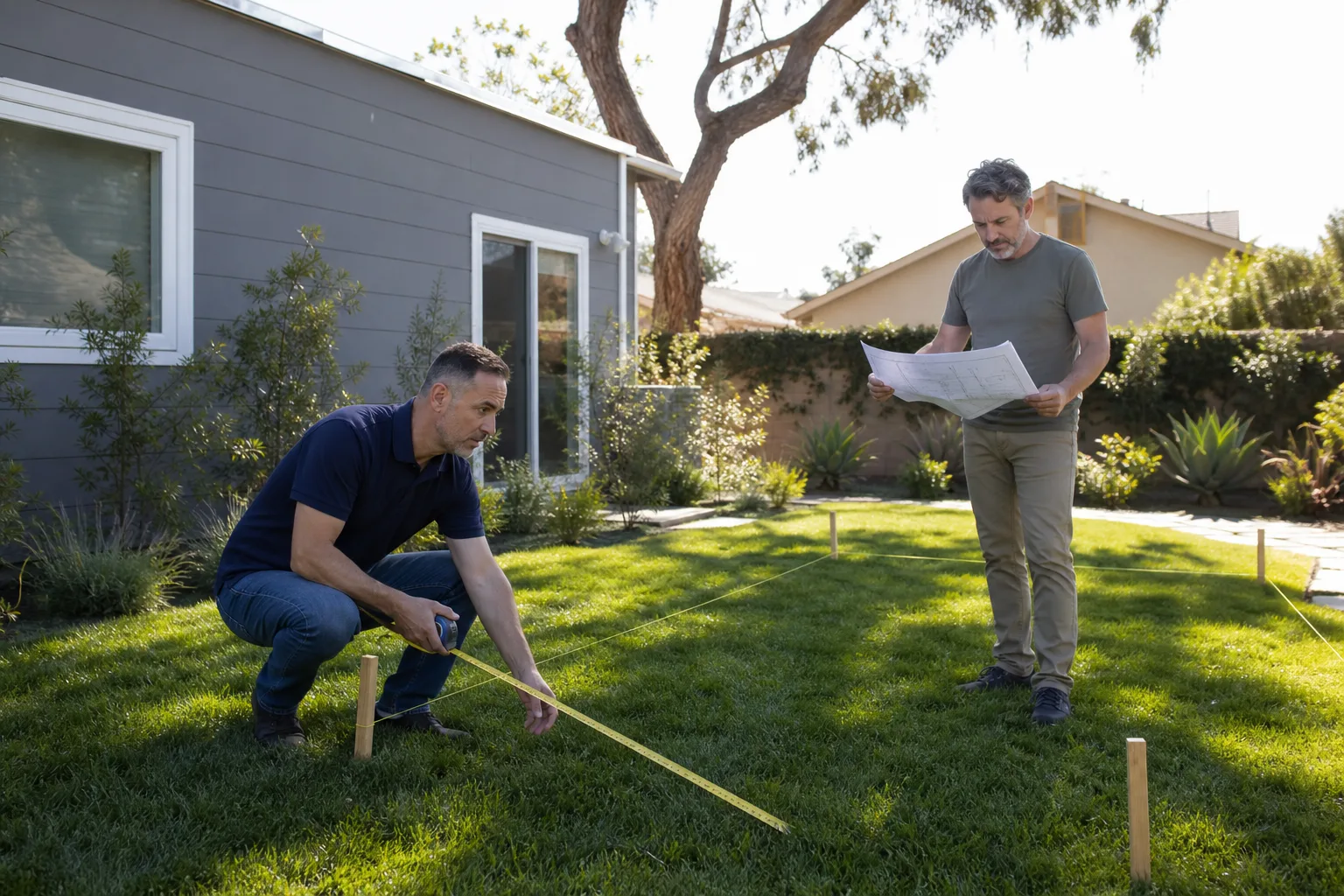
Home Addition Plans in Hawaiian Gardens are where projects either pencil out or quietly fall apart. The lot is small, the city is built out, and the first things we check before anyone draws a line are lot coverage, side and rear setbacks, and parking requirements. Hawaiian Gardens’ zoning treats these as hard constraints, not suggestions, and a plan that ignores them will bounce at plan check. We catch those issues before submittal, which is the single biggest reason our Hawaiian Gardens projects clear review without a redesign.
What a Real Plan Set Includes
A workable addition plan includes architectural drawings, structural engineering, title-24 energy calcs, and a site plan showing the new footprint against your property lines. On a 1950s home in Hawaiian Gardens, we also check the existing slab, roofline, and electrical panel, because those existing conditions drive cost just as much as the new square footage. You’ll see all of it before we write the final number.
Engineering for Post-War Construction
Hawaiian Gardens’ tract homes were built well, but they were built to 1950s code. Roof framing that’s carried load for 70 years may not carry a new master suite without reinforcement. We pull in a structural engineer early so the plan reflects what the existing house can actually support. Planning a room addition without that review is how you end up underpinning a foundation mid-build, and that’s a cost nobody wants to discover halfway through.
Trusted Brands We Service in Hawaiian Gardens
We build with brands a Hawaiian Gardens homeowner can research independently: Abodu, Cover, and Dvele for modular and prefab room additions, plus James Hardie siding and cladding for a finish that stands up to Southern California sun and the marine layer that rolls through the Los Angeles basin. Because we’re authorized to work with those product lines, we can offer curated options instead of a single take-it-or-leave-it product. When you’re weighing a modular addition in Hawaiian Gardens, you should be able to look up the product’s reviews and warranty before you ever sign anything. We encourage that.
Common Room Addition Contractor Problems We See in Hawaiian Gardens Homes
- Bidding off a photo instead of a survey. A room addition on a Hawaiian Gardens tract lot lives and dies by side and rear setbacks, and you can’t read those from a phone picture. We’ve re-priced more than one project after walking the lot and finding the planned footprint pushed two feet too far into the side yard.
- Assuming the old slab will carry the new load. Hawaiian Gardens’ 1950s-era homes were not designed for modern addition loads. Without an engineer’s review, you can get halfway through framing before discovering the foundation needs underpinning. That’s a five-figure surprise we put in the bid before you sign.
- Skipping over lead and asbestos scoping. Hawaiian Gardens’ housing stock is largely pre-1978, which means lead-safe practices and possible asbestos in older finishes apply. If the bid doesn’t include that testing and handling, the cost gets added later. We scope it from day one.
- Not checking parking requirements early. On Hawaiian Gardens’ small lots, adding a bedroom can trigger a covered parking requirement. We verify that against the city’s code before we finalize any plan, because a surprise parking variance can stall a project for weeks.
Pricing for Room Addition Contractor in Hawaiian Gardens, CA
A room addition in Hawaiian Gardens typically runs $180 to $340 per square foot, with the gap driven by foundation work, roof tie-in complexity, and finish level. A simple 300-square-foot bedroom addition might land around $65,000 to $85,000, while a 400-square-foot primary suite with a bathroom can reach $110,000 to $140,000. Modular options from Abodu, Cover, or Dvele usually fall in a similar range, sometimes slightly higher on the product side but lower on site labor. What changes the number mid-project is almost always something hidden in the existing structure or the lot itself: slab condition, roof framing, sewer line placement, or setback compliance. Those aren’t line items we spring on you later. They’re in the written estimate before work starts, and the price is fixed once you sign. Call (903) 568-7222 for a free estimate and a real number, not a range that moves.
We Also Serve Cities Near Hawaiian Gardens
Benson ADU Builders handles room additions throughout the communities next door to Hawaiian Gardens, including Cypress, La Palma, Los Alamitos, and Artesia. If you’re in one of those cities and weighing an addition, the same written-price process applies. You can also visit our Room Addition Contractor page or see our Room Addition Contractor in Hawaiian Gardens hub for more on the full process.
Serving Hawaiian Gardens, CA - Our Local Coverage Area
We’re based in the Hawaiian Gardens area and know this community well. Use the map below to see our service coverage - if you’re nearby, we can almost certainly help.
FAQs About Room Addition Contractor in Hawaiian Gardens
Yes. Every room addition in Hawaiian Gardens requires a building permit from the City of Hawaiian Gardens, and depending on the scope, you may also need electrical, plumbing, and mechanical permits. We handle the full permit package, coordinate inspections, and make sure the plans meet the city’s setback, lot coverage, and parking rules before submittal. Call (903) 568-7222 and we’ll tell you exactly what your project triggers.
A typical room addition in Hawaiian Gardens takes 4 to 7 months from signed contract to final inspection, with plan check and permitting taking 6 to 10 weeks of that. Modular additions from Abodu, Cover, or Dvele can shorten the on-site phase considerably once the plans are approved. The real timeline driver here is getting the plans right the first time, because a redesign at plan check adds weeks. Our team submits plans that have already cleared a setback and lot-coverage review, which keeps things moving.
Hawaiian Gardens is roughly one square mile and fully built out, so nearly every addition is infill on an existing 1950s tract lot. That means lot coverage, setbacks, and parking are the first constraints we check, and they drive both the design and the cost more than anything else. A plan that looks fine on paper often fails because the rear setback is a foot too short, and catching that before permit submittal is the difference between a smooth project and a stalled one. Call (903) 568-7222 for a free lot evaluation.
Yes, and for many Hawaiian Gardens homeowners, modular makes sense. We work with Abodu, Cover, and Dvele, which fabricate the addition off-site and set it on your foundation in a fraction of the on-site build time. That’s a real advantage when the lot is tight and you want crews off your property sooner. The cost is often comparable to site-built, though the final number depends on site prep, foundation condition, and utility connections. We’ll quote both options in writing so you can compare.
The honest answer is almost nothing, because the things that typically change price in Hawaiian Gardens are the things we scope before you sign. If the existing slab needs underpinning, if the roof needs reinforcement to carry the new load, or if lead or asbestos abatement is required on a pre-1978 home, those costs are in the written estimate from the beginning. That’s the entire point of our process. If we uncover something genuinely unknown after work starts, we discuss it with you before spending a dollar. Call (903) 568-7222 to get your free estimate and see the written price for yourself.
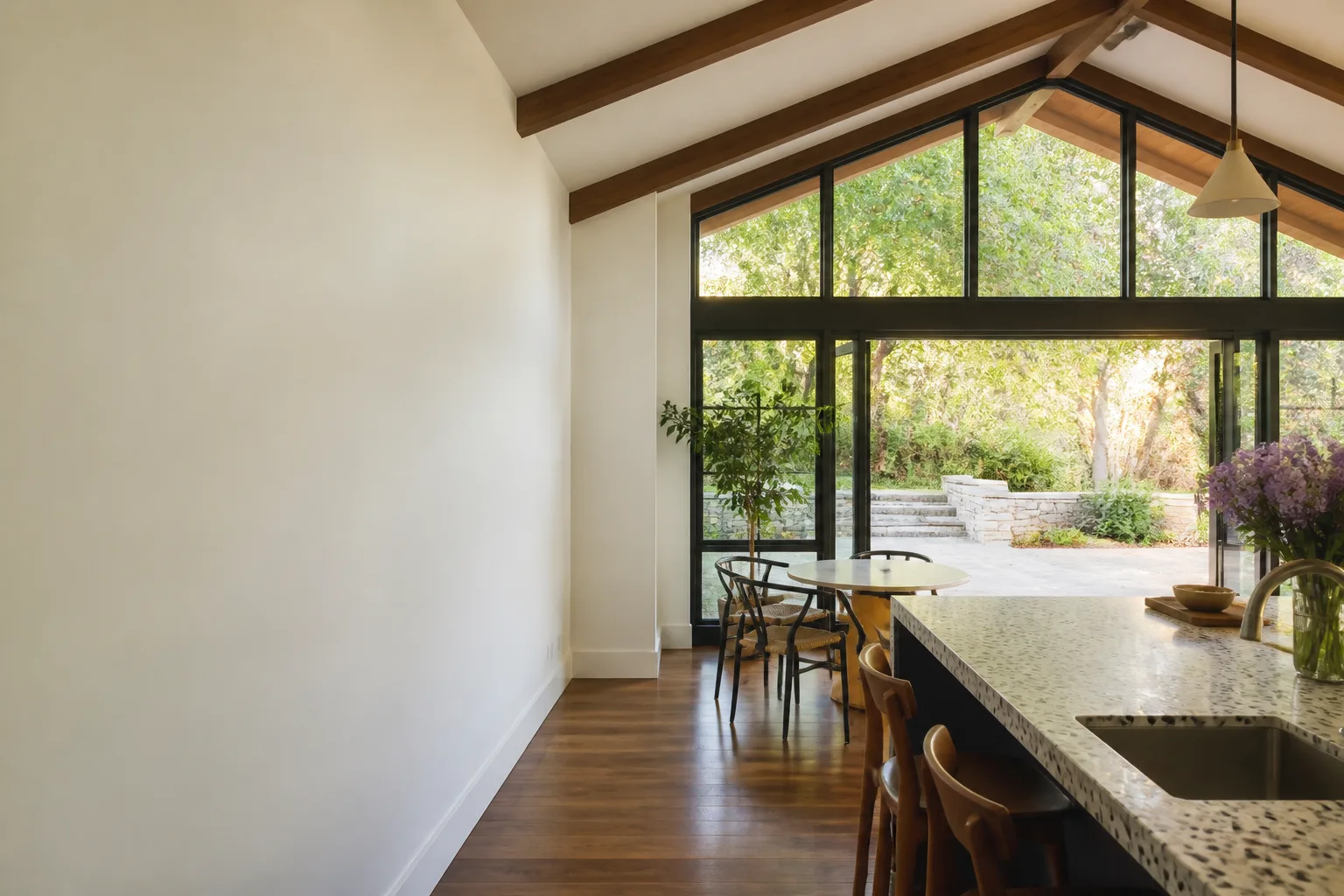
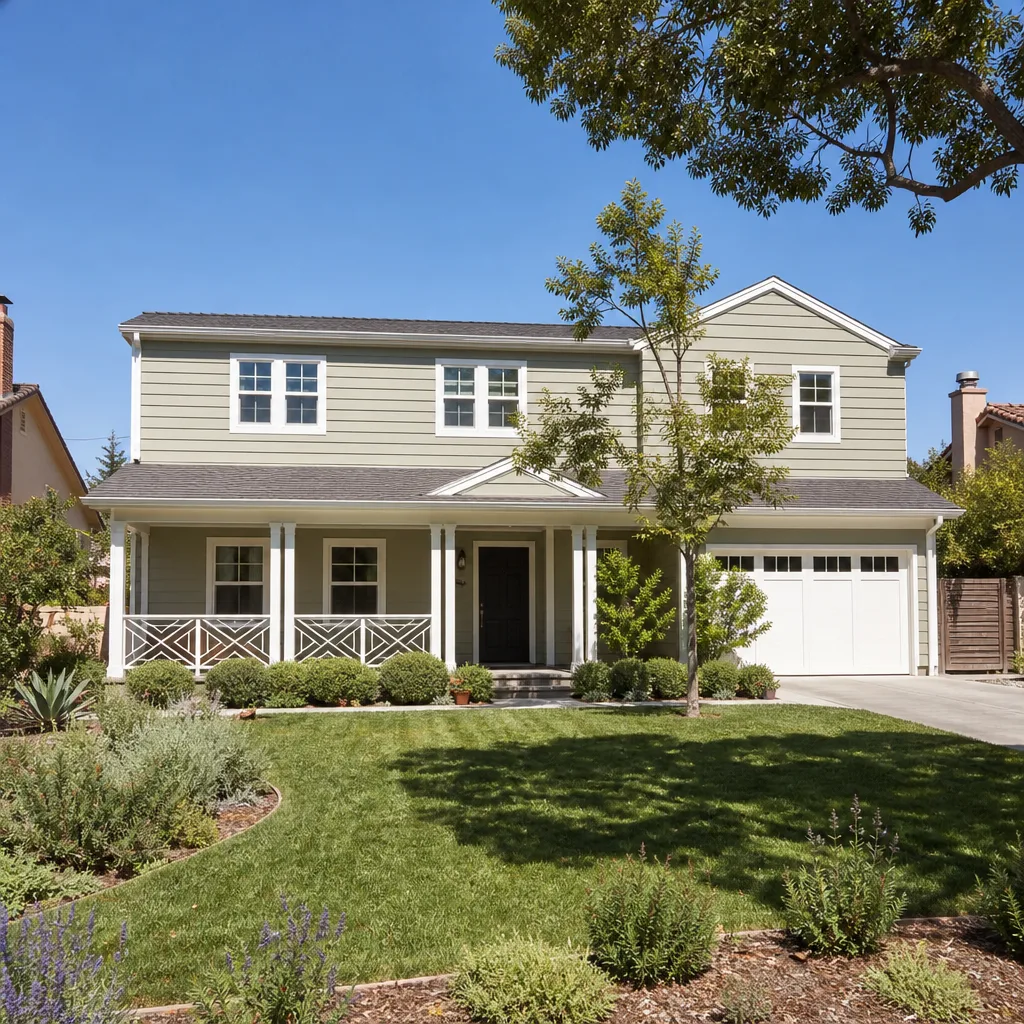
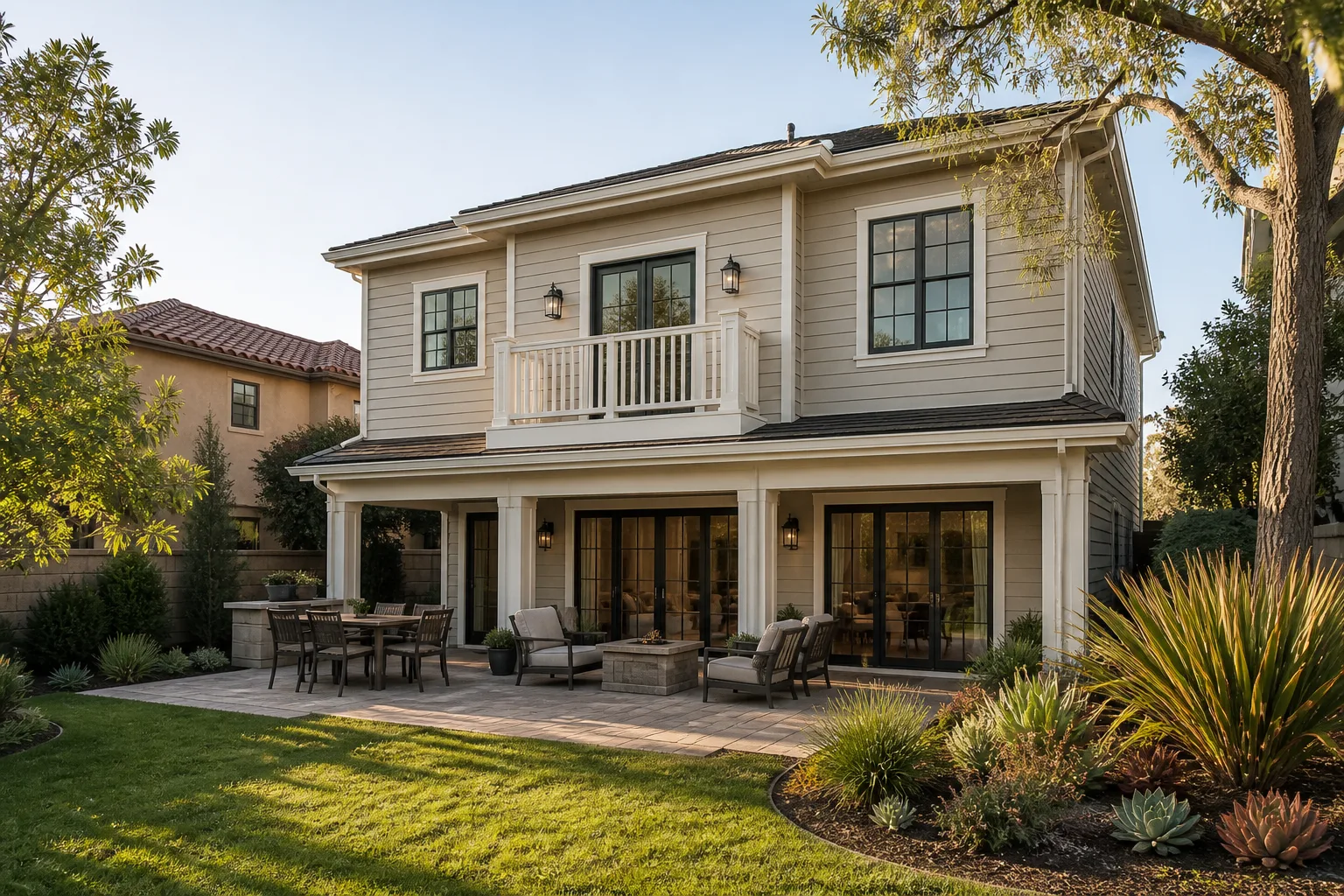
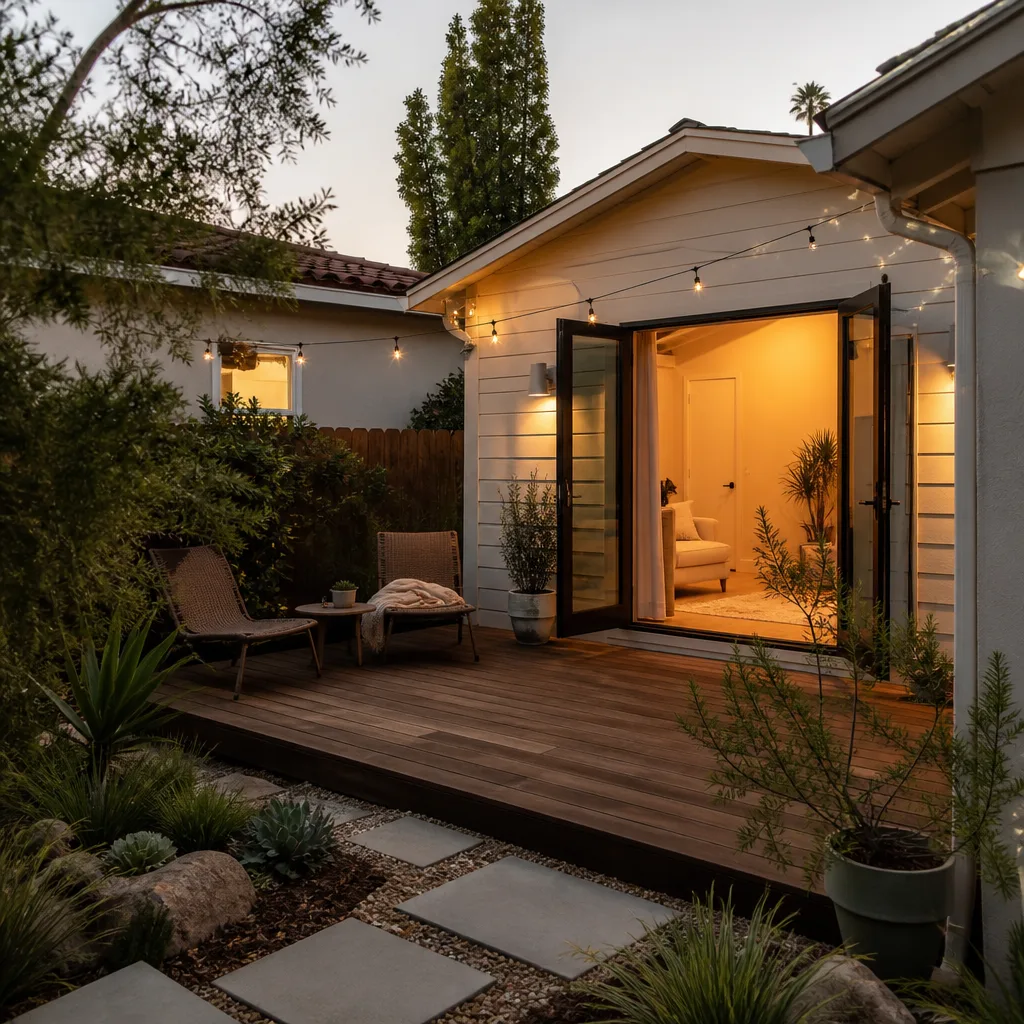
On a 1950s tract house near 223rd Street and Norwalk Boulevard, our crew framed a 320-square-foot primary-suite addition off the rear of the home, tying new footings into the existing slab and matching the original stucco line so the roofline read continuous from the street. The homeowner’s real win was the plan set: we caught a rear setback encroachment with the City of Hawaiian Gardens before permit submittal, so the addition cleared plan check without a redesign. We finished with James Hardie lap siding to match the existing exterior and turned the old sliding-door wall into an interior passage into the new suite.
If you’re planning a room addition in Hawaiian Gardens, call (903) 568-7222 today. You’ll get a free estimate, a written price before any work starts, and straight answers from a contractor who knows this city’s lots, codes, and post-war housing stock. No pressure, no vague ballpark, no surprises at the door.
Written by Troy Eastman, Owner at Benson ADU Builders, serving Hawaiian Gardens and surrounding communities.