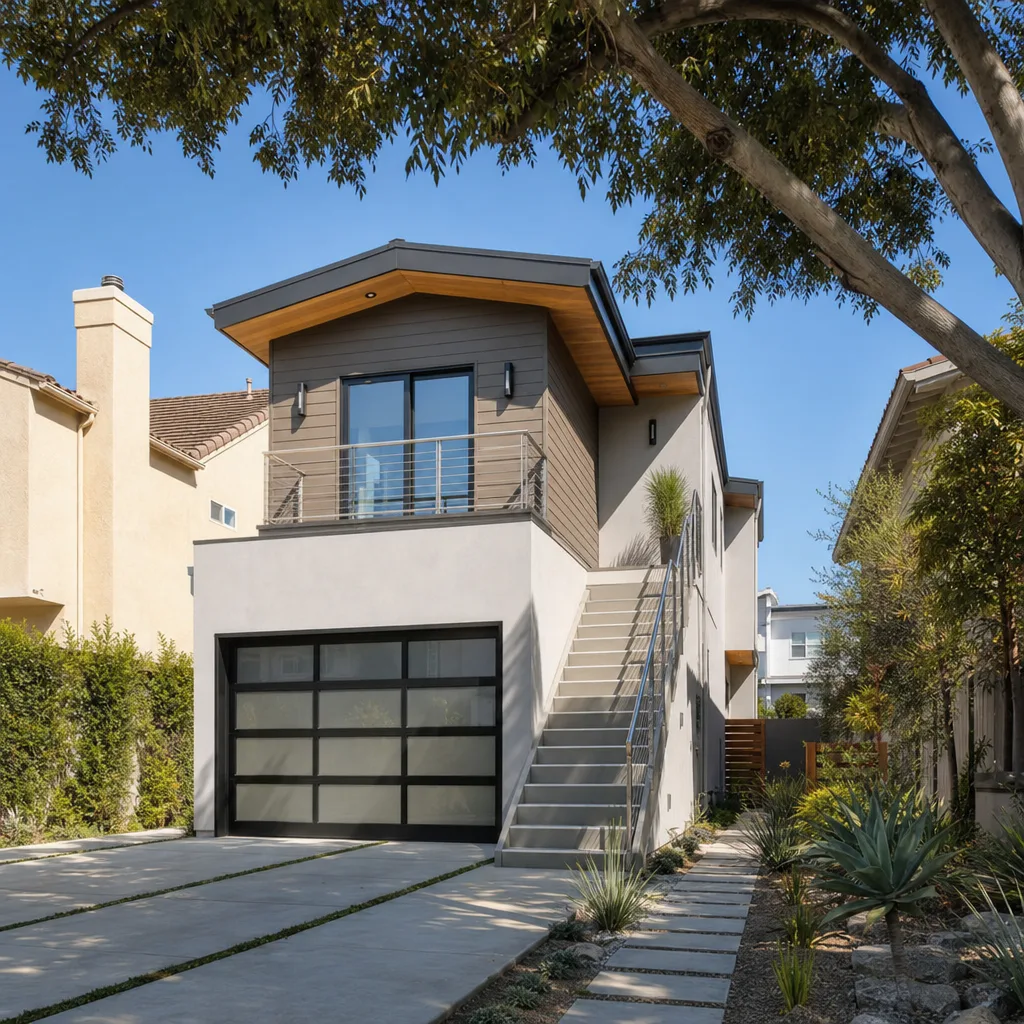
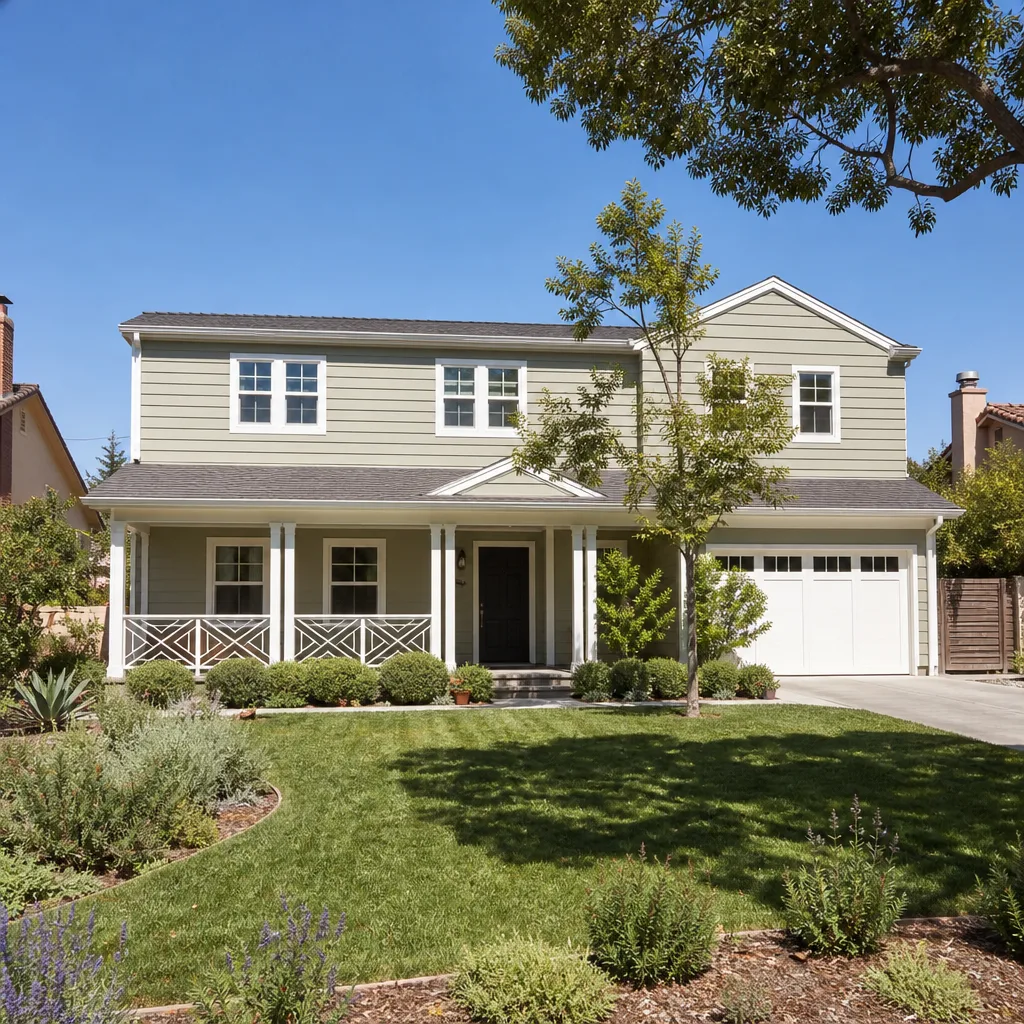
A free site visit, a check of what your lot allows and a written, line-item price.
Get your free estimateWhat’s Happening
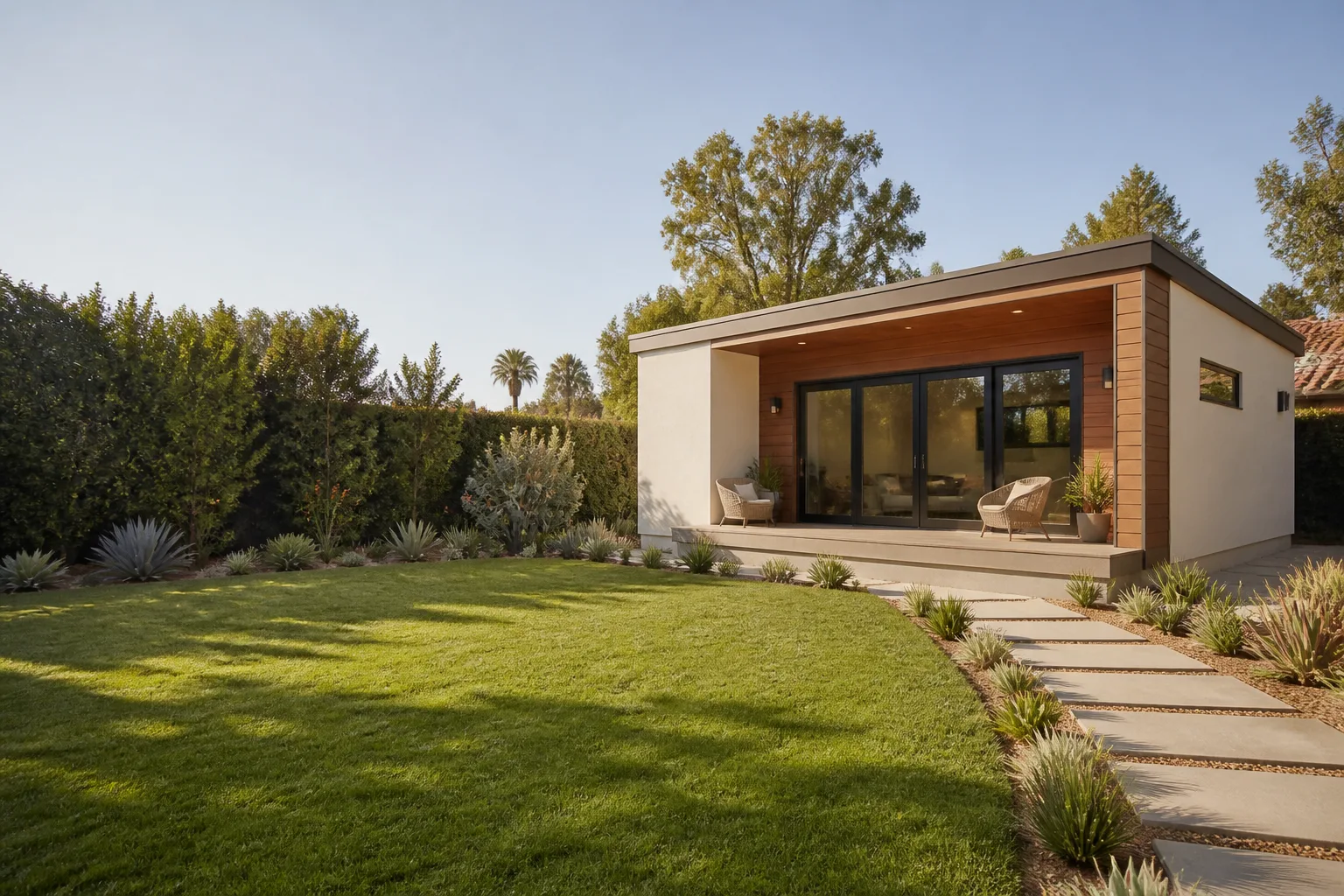
An ADU typically costs between $80,000 and $350,000 to build, depending on whether you choose a prefab unit or a site-built structure, the size, and the finishes you select. Most homeowners land somewhere in the $120,000 to $250,000 range for a fully permitted, move-in-ready accessory dwelling unit.
That wide range isn’t a dodge – it’s honest. A Tuff Shed-style studio conversion and a two-bedroom, ground-up Dvele prefab are both ADUs, but they’re built, permitted, and priced completely differently. What actually moves your number is the foundation type your lot requires, the utilities you need to run, the local permit fees in your jurisdiction, and whether you’re going prefab or stick-built. The best thing you can do right now is get a written price for your specific lot and plan – not a ballpark someone typed into a forum three years ago. That’s exactly what your local Benson ADU Builders team puts together, at no charge, before anything starts.
Why It Happens: What Drives ADU Costs Up or Down
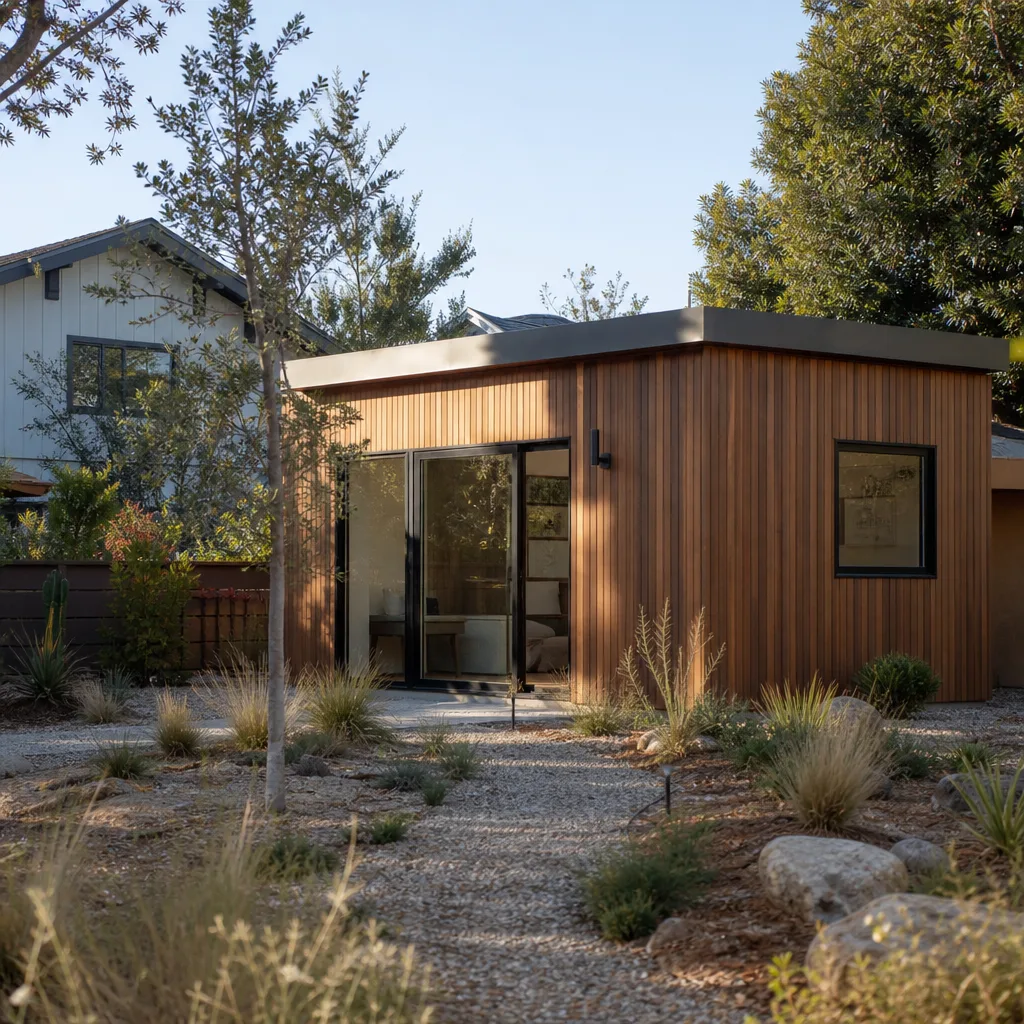
1. Build Method: Prefab vs. Site-Built
Prefab ADUs from brands like Abodu, Cover, Mighty Buildings, and Boxabl are largely assembled in a factory and delivered to your lot, which cuts labor time and can reduce overall cost compared to framing a unit from scratch on-site. Site-built structures give you more flexibility in size and layout but require more labor hours. The gap between the two approaches can easily run $40,000 to $80,000 on the same footprint, which is why build method is the first conversation worth having.
2. Size and Layout
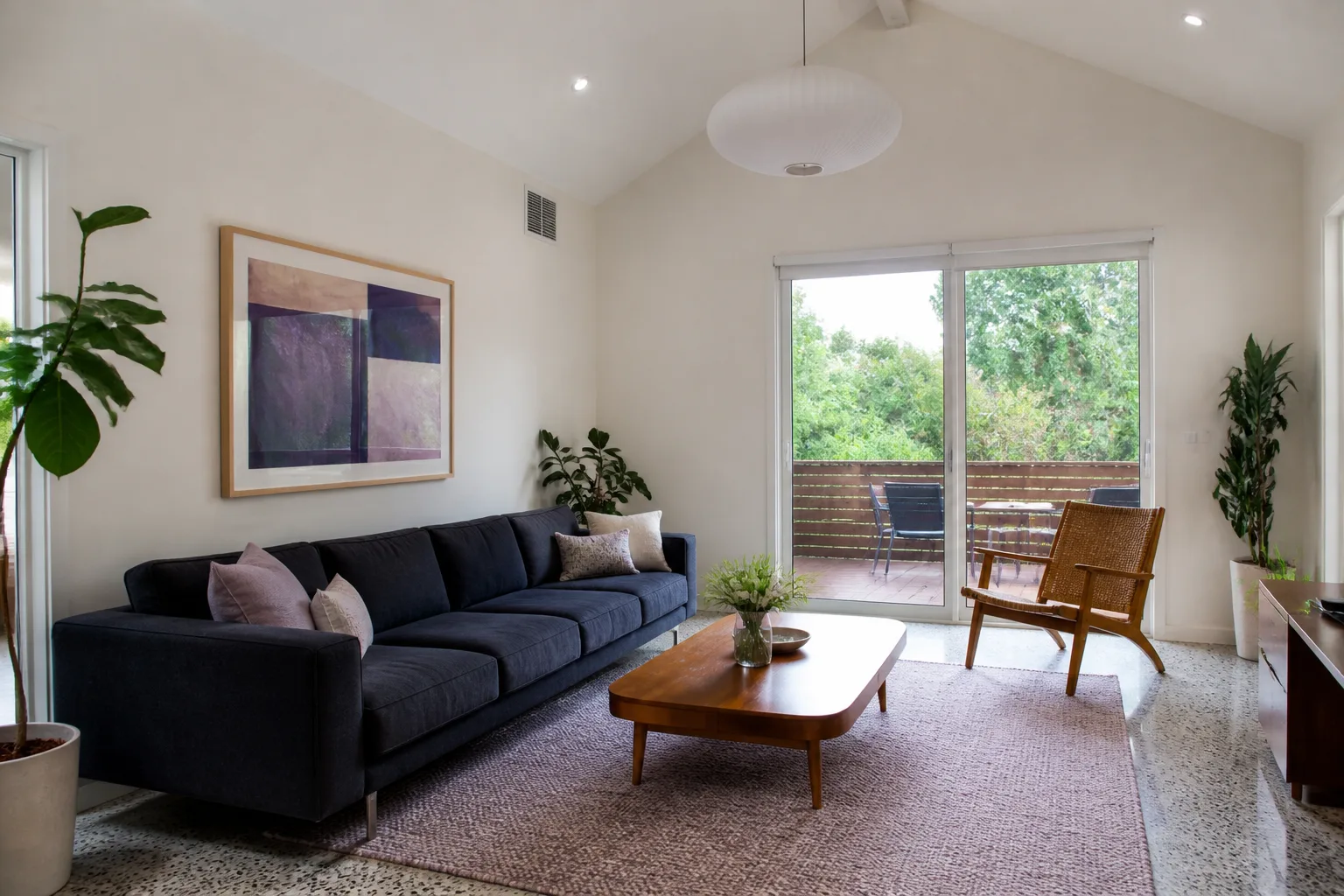
A 400-square-foot studio and an 800-square-foot two-bedroom are not twice the price of each other – they’re often closer because the kitchen, bathroom, electrical panel, and mechanical systems cost roughly the same either way. Where size really bites is in foundation work, roofline complexity, and finish quantities. If your plan calls for vaulted ceilings or a second floor, expect the cost-per-square-foot to climb noticeably.
3. Site Conditions and Utility Connections
A flat lot with sewer access 20 feet away is a very different job than a sloped lot that needs retaining, or a property where the water and electrical runs require crossing a long stretch of hardscape. Soil conditions matter too – some lots need deeper footings or engineered slabs, which adds cost before a single wall goes up. A site walk is the only way to know what your specific lot is going to require.
4. Finishes and Exterior Cladding
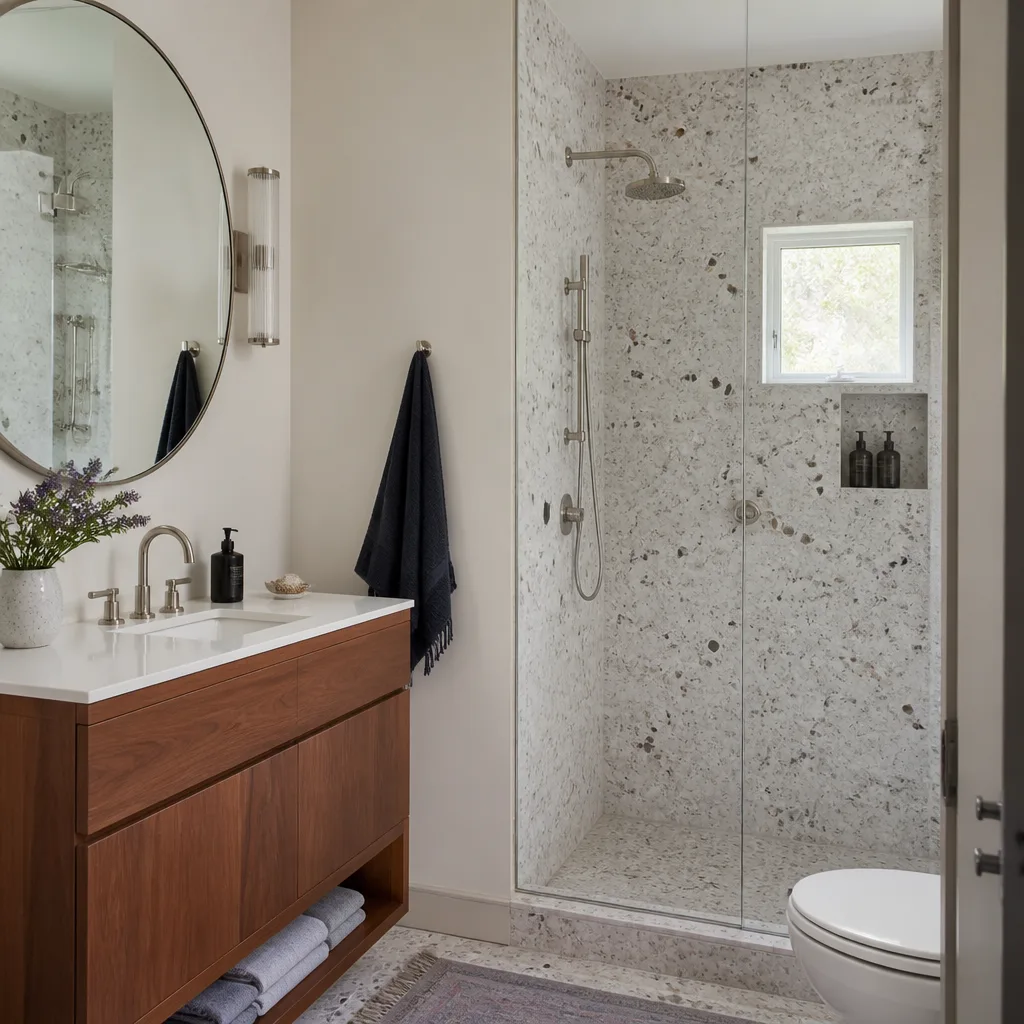
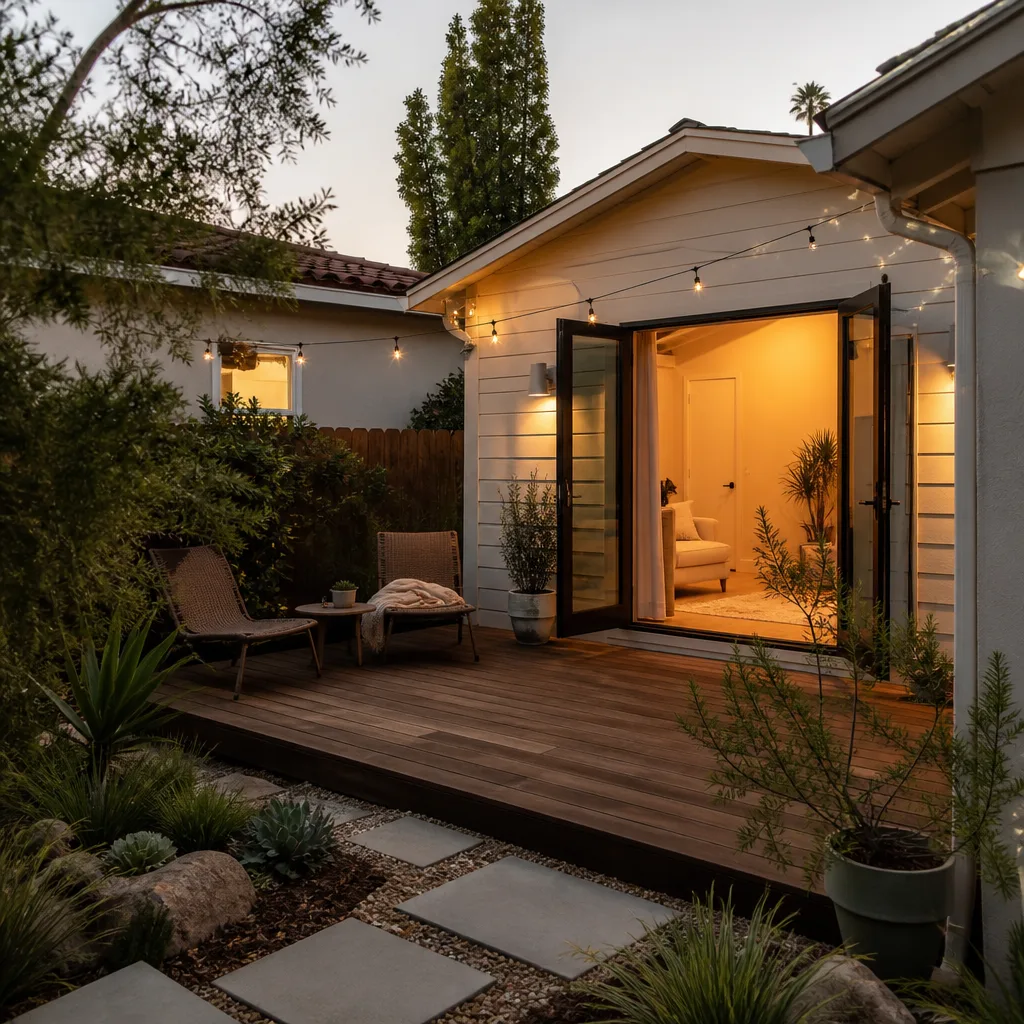
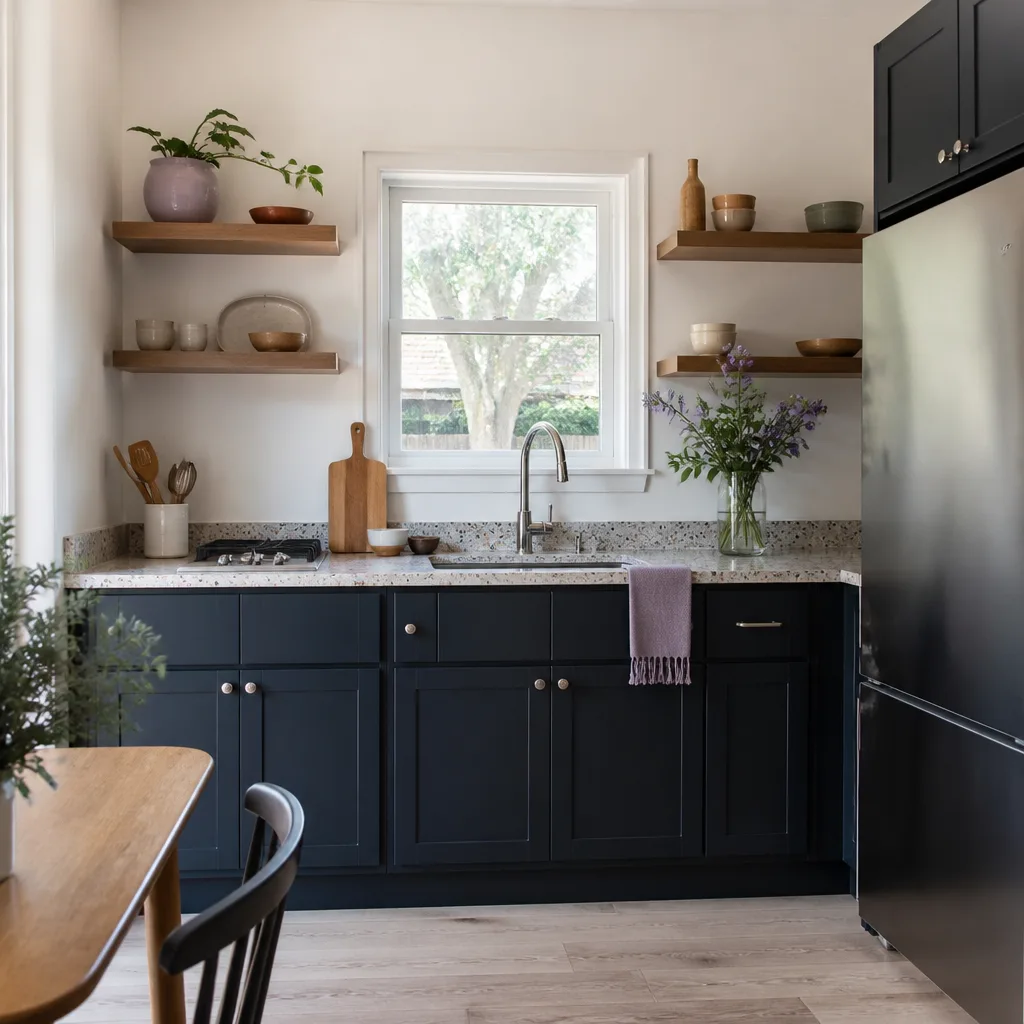
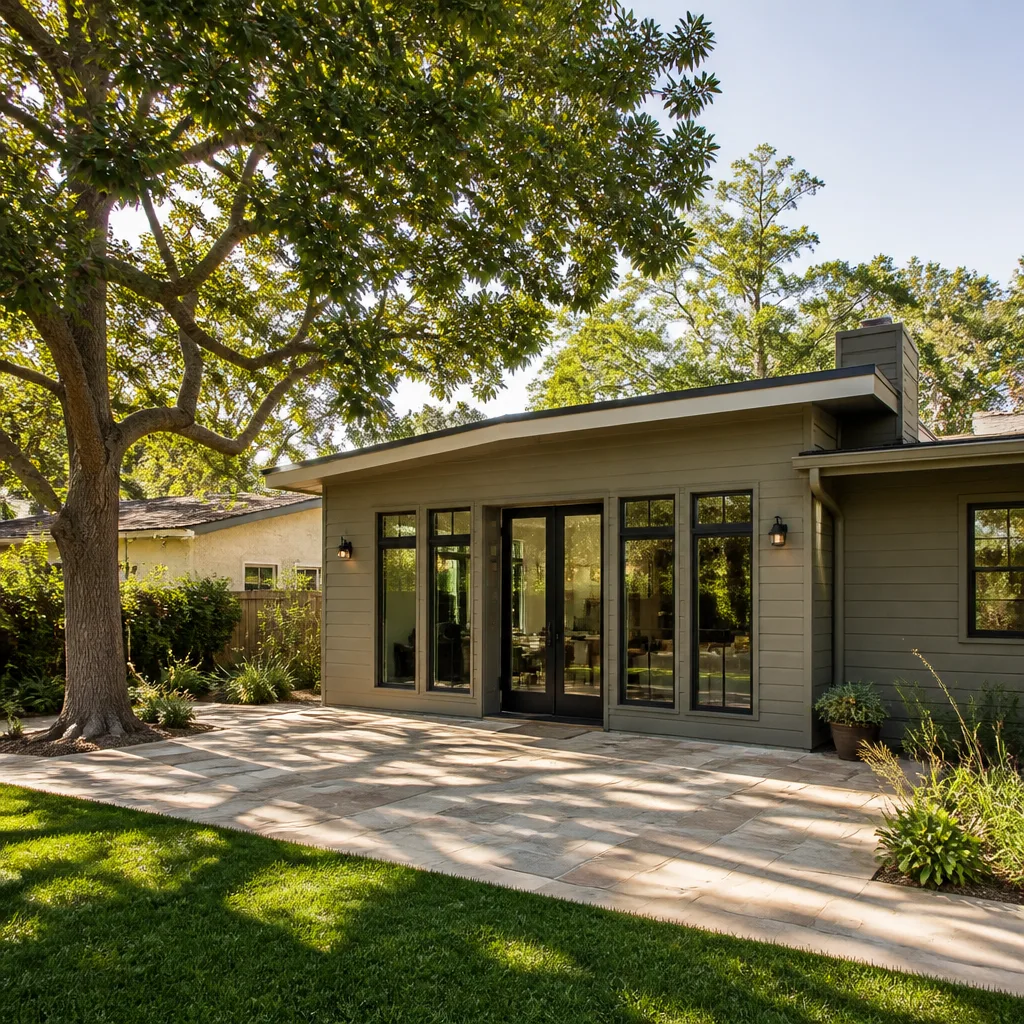
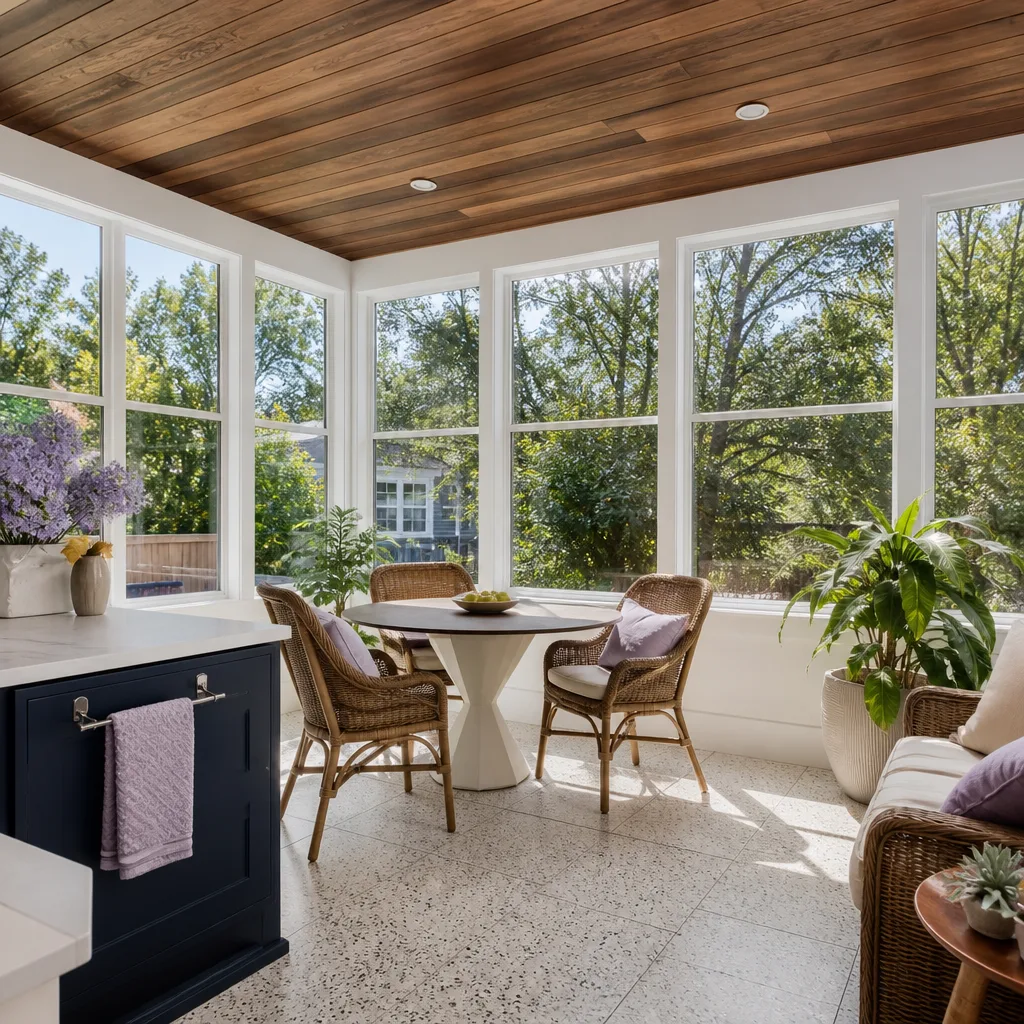
Interior finishes – flooring, cabinetry, countertops, plumbing fixtures – can shift your final number by $15,000 to $30,000 depending on the tier you choose. On the exterior, James Hardie fiber cement siding is a popular choice because it holds up to weather and carries strong manufacturer warranties, but it costs more than vinyl. These aren’t frivolous choices – a well-finished ADU that looks like it belongs on the property commands significantly higher rental income and resale value.
What to Do Right Now
- Pull your property’s site plan or survey if you have one. Knowing your lot dimensions and where existing structures sit will help any builder give you a faster, more accurate estimate. If you don’t have one, don’t worry – your local Benson team can work through this with you.
- Take photos of the lot area where the ADU would go. Photograph from multiple angles, including any slopes, fences, utilities, or existing structures nearby. These visuals save time at the estimate appointment.
- Write down what you need the ADU to do. Are you housing a family member? Renting it out? Using it as a home office or studio? This shapes every decision from layout to finishes, and it’s the first thing a good builder will ask.
- Check your local zoning basics online. Most jurisdictions publish their ADU rules – minimum setbacks (that’s the required distance from property lines, usually 4 to 10 feet), maximum size limits, and owner-occupancy requirements. Knowing these before the estimate saves a trip back.
- Don’t sign anything or pay a deposit to any contractor until you have a written, line-item price. Verbal estimates shift. A written price before work starts is the standard Benson ADU Builders holds to on every job – it’s part of The Relay Visibility Guarantee.
How We Fix It
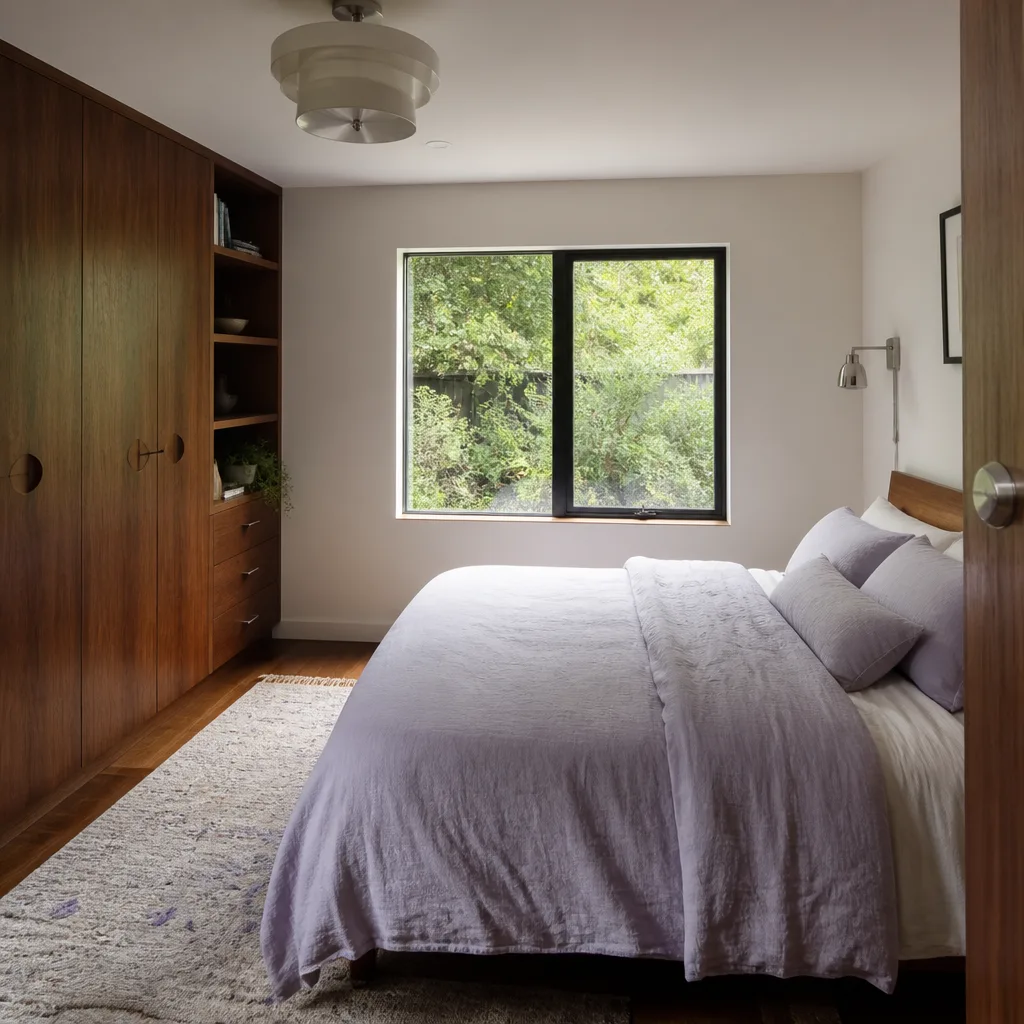
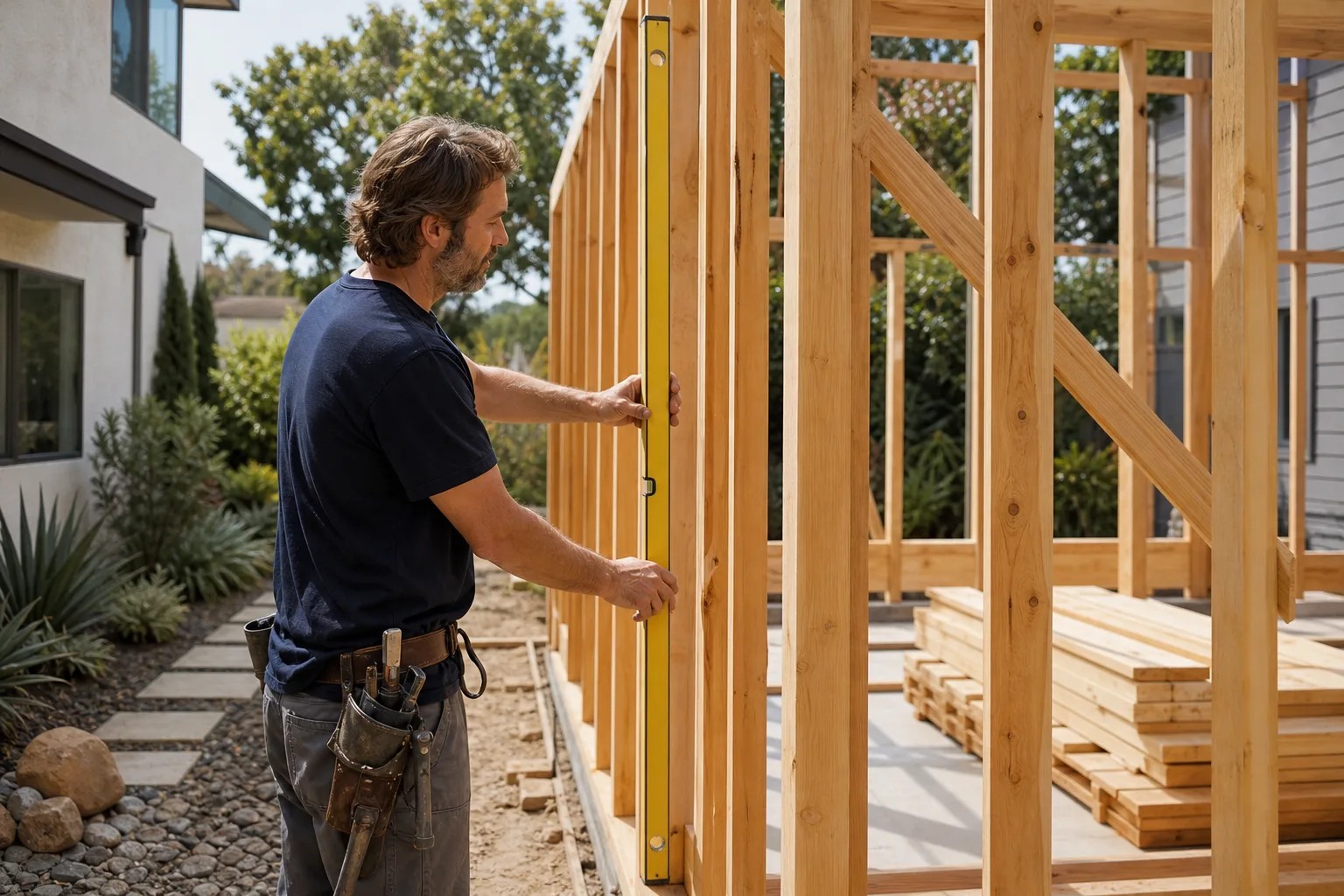
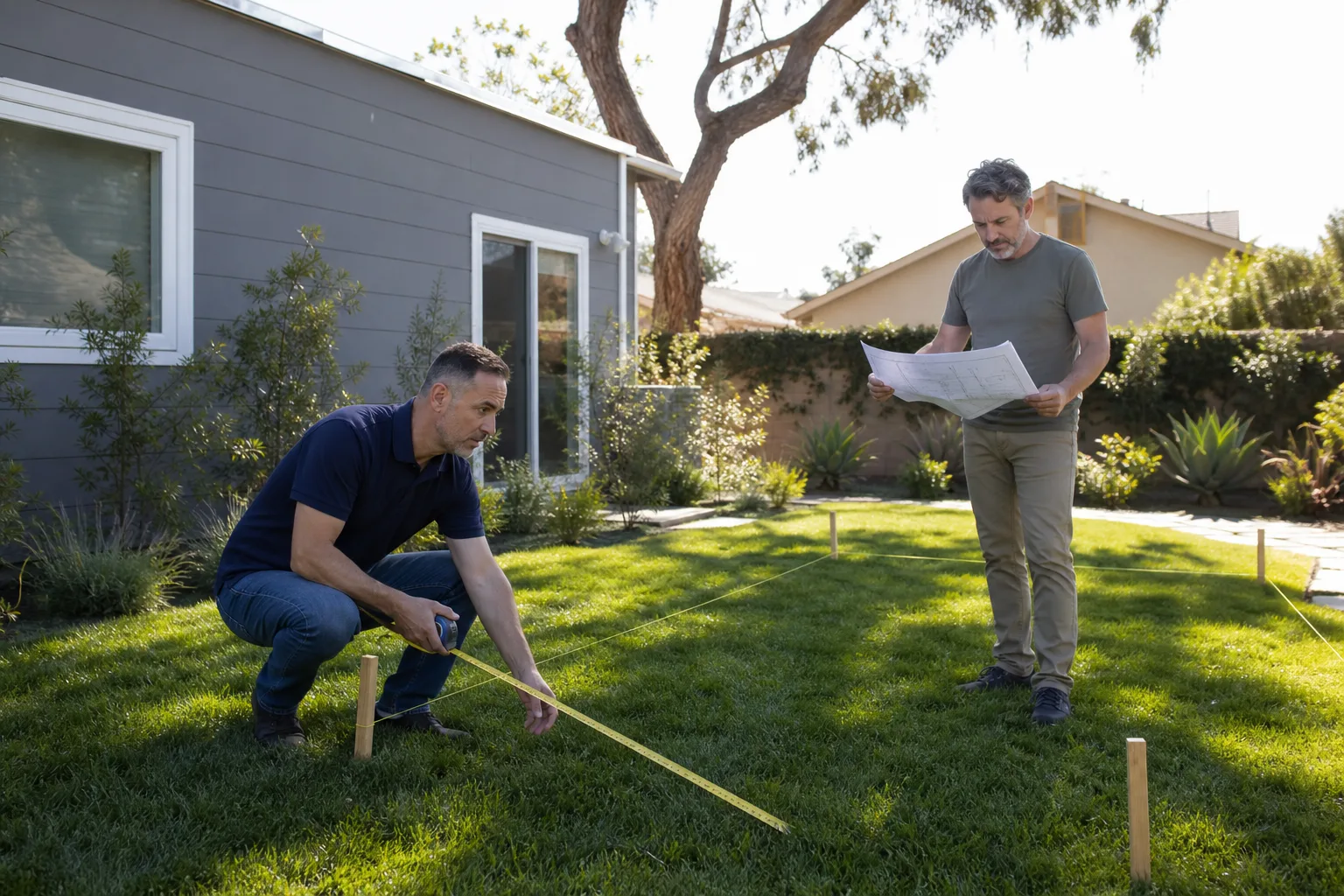
When your local Benson ADU Builders team arrives, the first step is a site walk – not a sales pitch. Troy Eastman and the crews he trains are looking at setback compliance, utility access points, foundation requirements, and which build path makes the most sense for your lot. From there, you get a written, line-item price. Not a ballpark. Not a range that doubles when the contract arrives.
If you’re open to prefab, the team walks you through options from Abodu, Cover, Plant Prefab, Mighty Buildings, and others so you can compare what each brand delivers against what you need. If site-built is the better fit, the plan moves to permitting, foundation, framing, and finish work in a clear sequence. Most prefab ADUs are permit-approved and on the ground within a few months of a signed contract; site-built timelines vary by complexity.
Every project is covered by the 365-Day Done Right Promise: if something isn’t right within the first year, Benson makes it right – backed by a written guarantee stamped on the project, not a handshake. The service falls under our ADU Builders service line, and in some cases works alongside a Home Addition or Room Addition scope if your project connects to the main structure.
Frequently Asked Questions
Most ADUs cost between $80,000 and $350,000, with the majority of projects falling in the $120,000 to $250,000 range. Prefab units from brands like Boxabl or Abodu tend to sit at the lower to mid end of that range for smaller footprints; larger, fully custom site-built ADUs push toward the higher end. The only way to know your actual number is a written estimate based on your specific lot, size, and finishes – call (903) 568-7222 and your local Benson team will put that in writing at no charge.
Prefab is often less expensive on labor because most of the assembly happens off-site, but the total savings depend heavily on your site conditions – if your lot needs significant grading, a long utility run, or a complex foundation, those costs apply regardless of build method. A side-by-side written quote for both approaches is the clearest way to see the real difference for your property. Call (903) 568-7222 to get that comparison in writing before you commit to either path.
Permitting timelines vary significantly by jurisdiction, and they’re one of the biggest variables in any ADU project. Once permits are in hand, a prefab unit can be on the ground and finished in as little as 8 to 16 weeks depending on the brand and site complexity; site-built projects typically run 4 to 9 months. Your local Benson ADU Builders team will give you a realistic timeline in writing as part of the estimate – not an optimistic number designed to win the bid.
Not with Benson ADU Builders. Every homeowner gets a written price before any work starts – that’s not a policy we follow when convenient, it’s The Relay Visibility Guarantee on every project. If you add scope after signing, that goes through a written change order before any additional work begins, so there are no surprise invoices at the end. Call (903) 568-7222 if you want to talk through what’s typically included and what falls outside a standard scope.
Get It Fixed
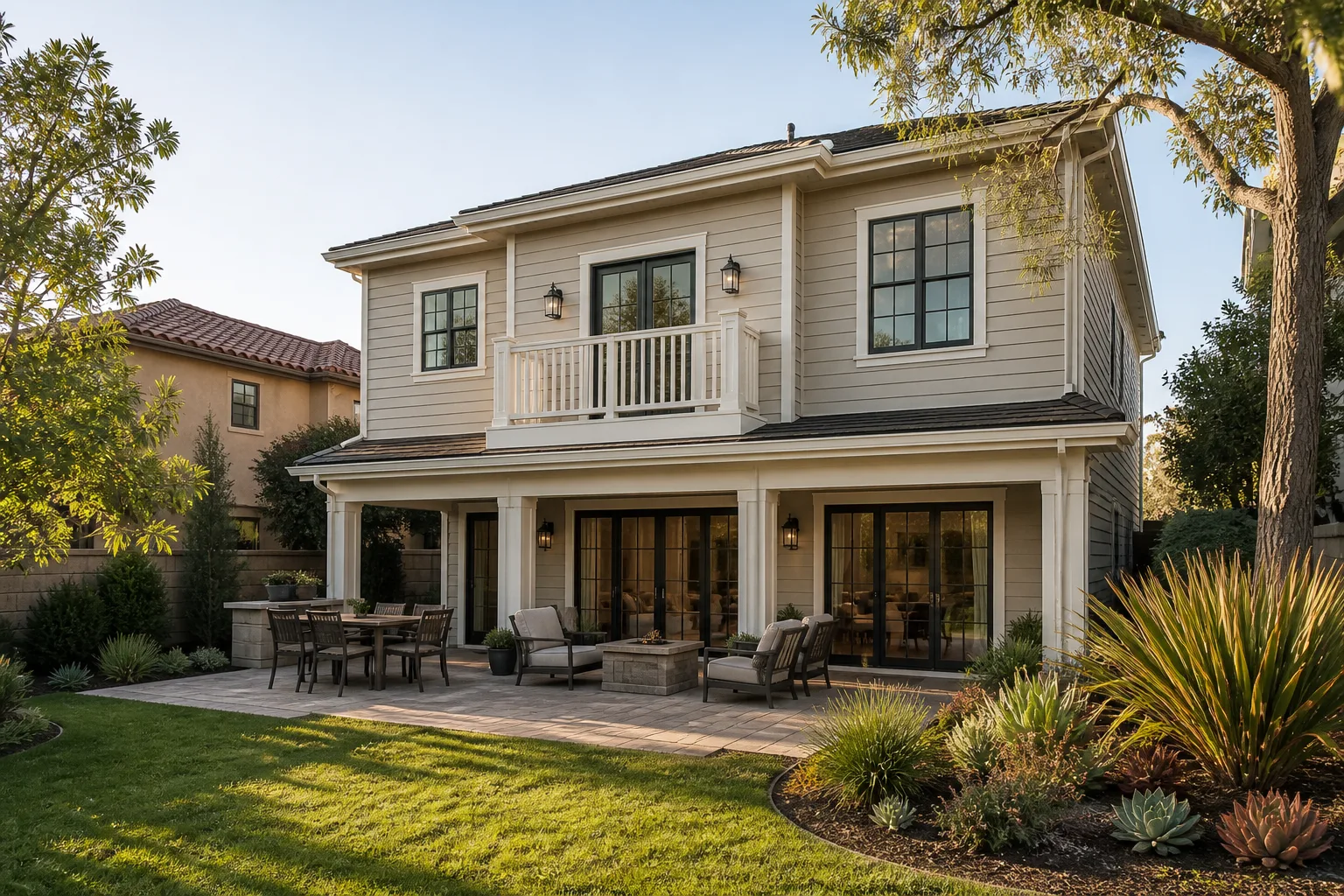
Your extra space, planned and priced in writing. Call (903) 568-7222 to schedule your free written estimate – a live person answers every call, every day of the year. Your local Benson ADU Builders team handles permits, prefab options, and site-built construction from first plan to final walkthrough.
Written by Troy Eastman, Owner & Lead Builder at Benson ADU Builders, part of the Relay Home Co. family since 2006.
What Our Customers Say
"Booked a consult online and met the project manager two days later. Weekly progress updates arrived by text with photos. ADU finished on schedule."
- Hannah W."Clean, quiet crew. They respected the neighbors, kept noise to working hours, and swept the driveway every evening."
- Hope C."Communication was the best part. I always knew what was happening that week without having to ask."
- Dolly N.