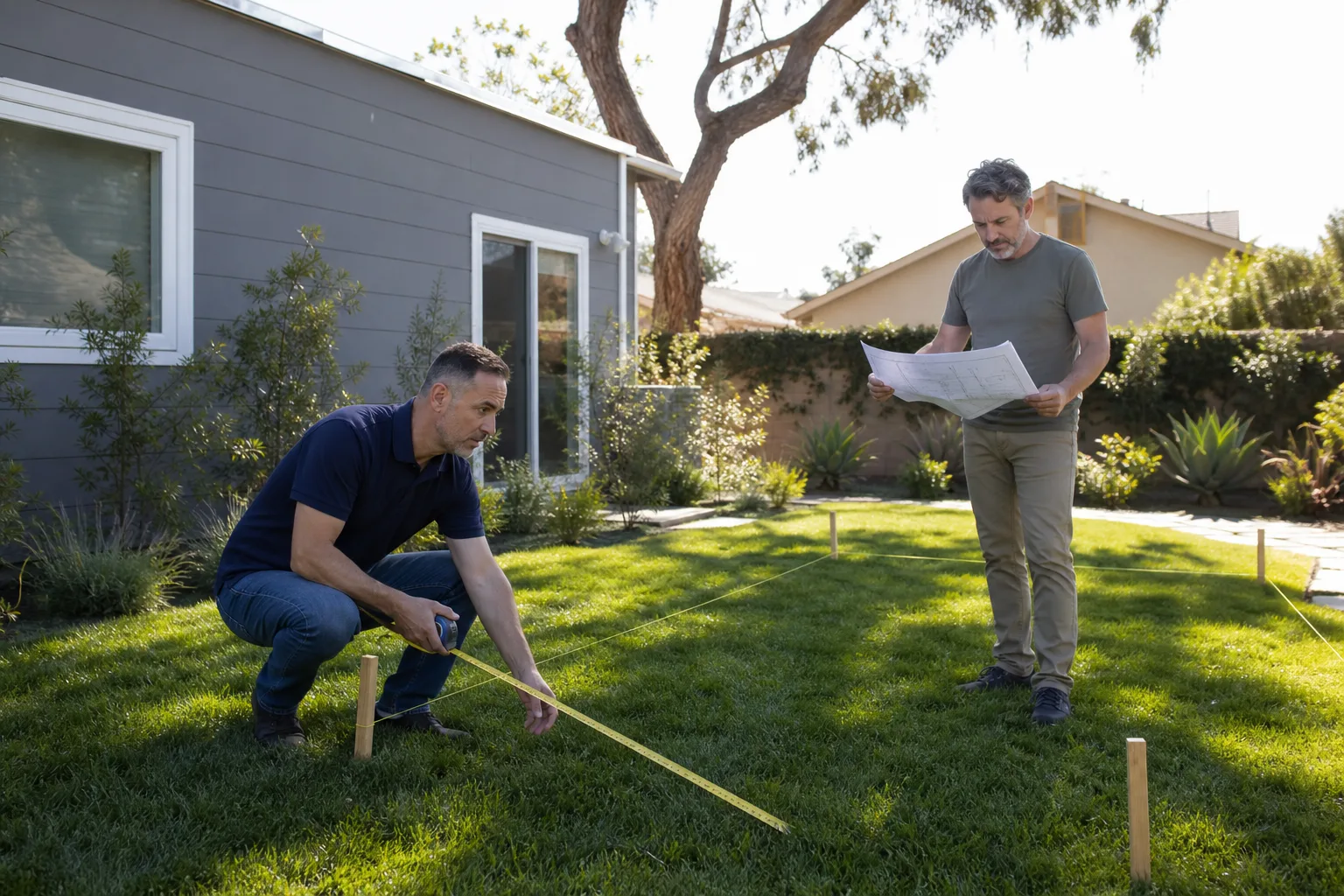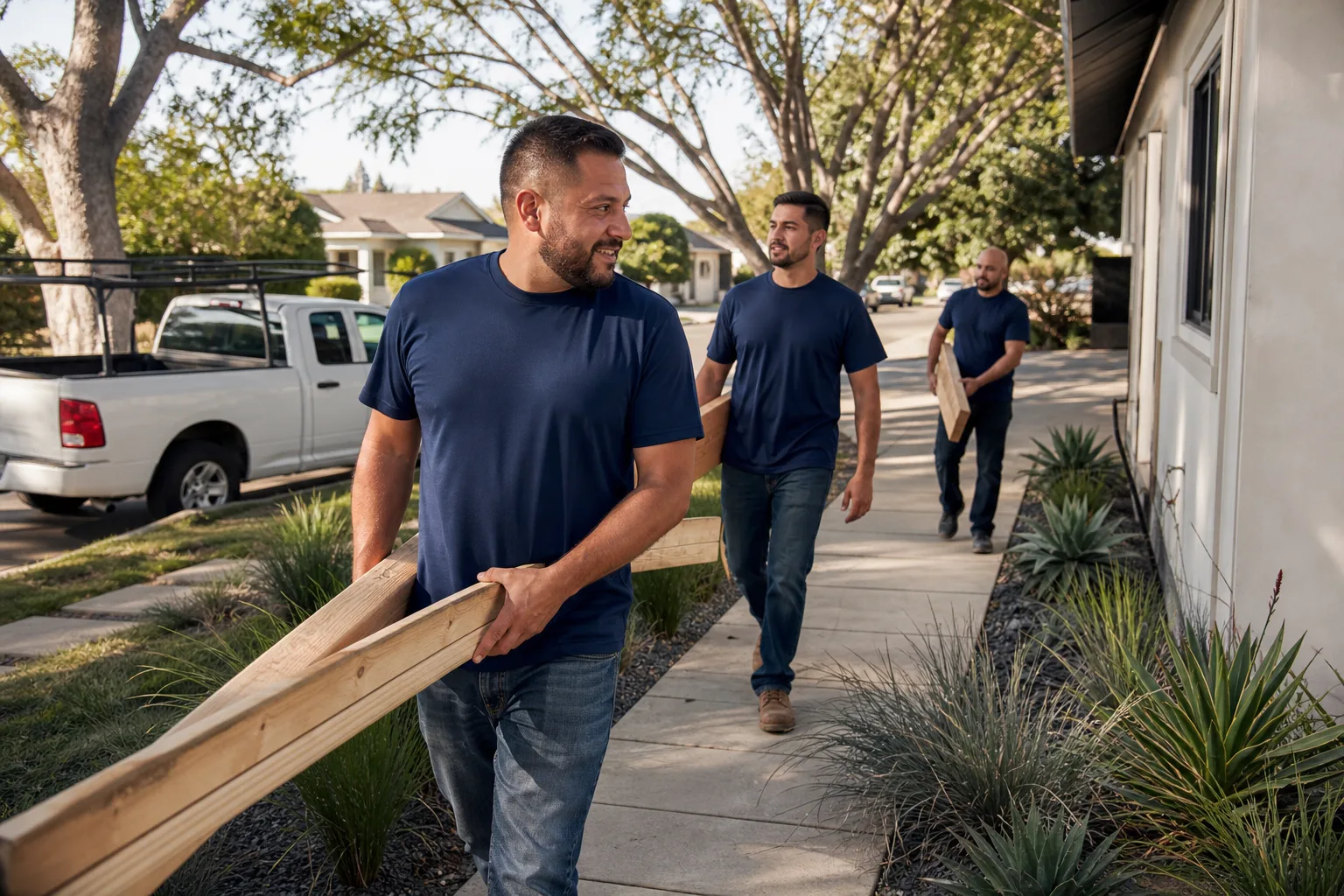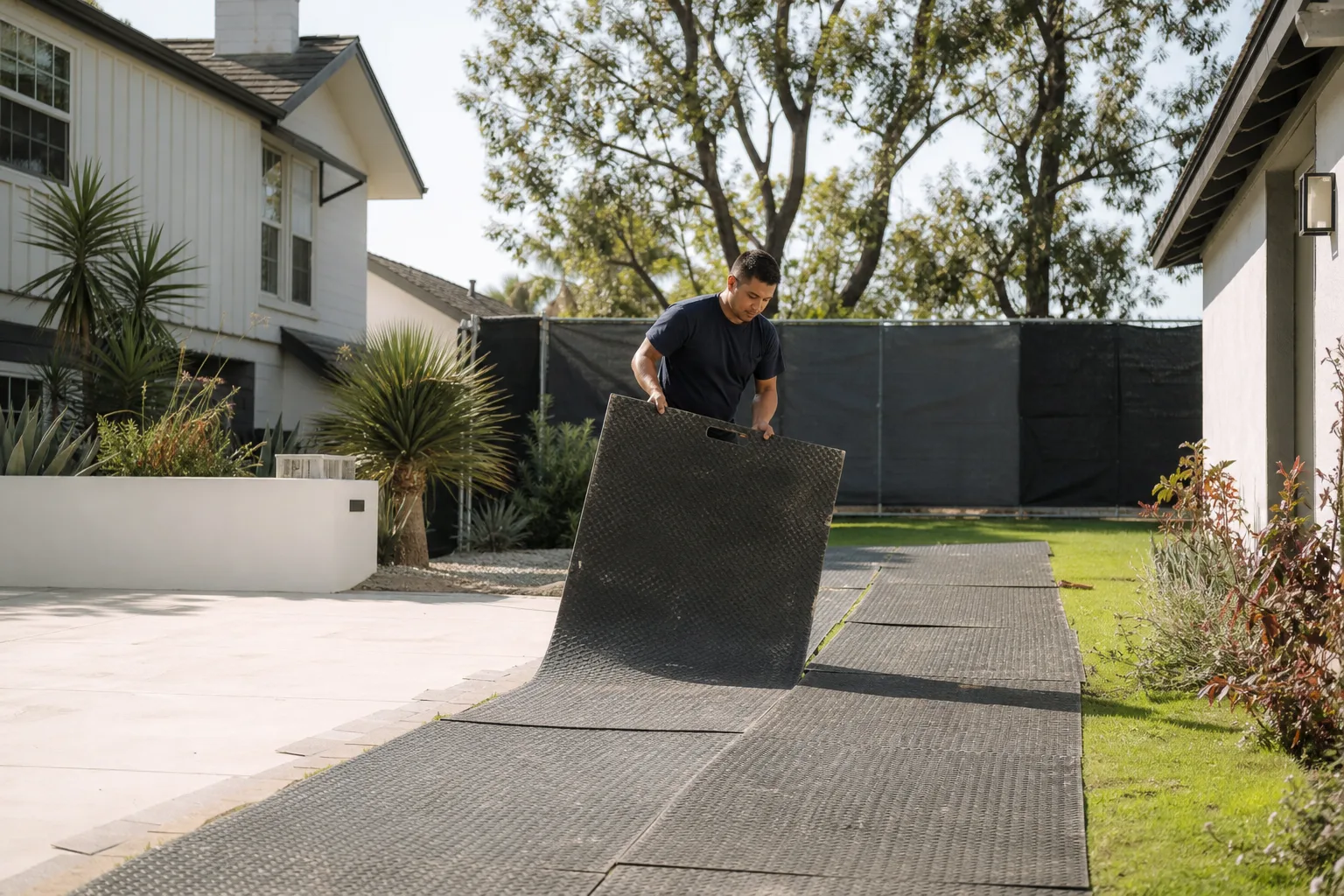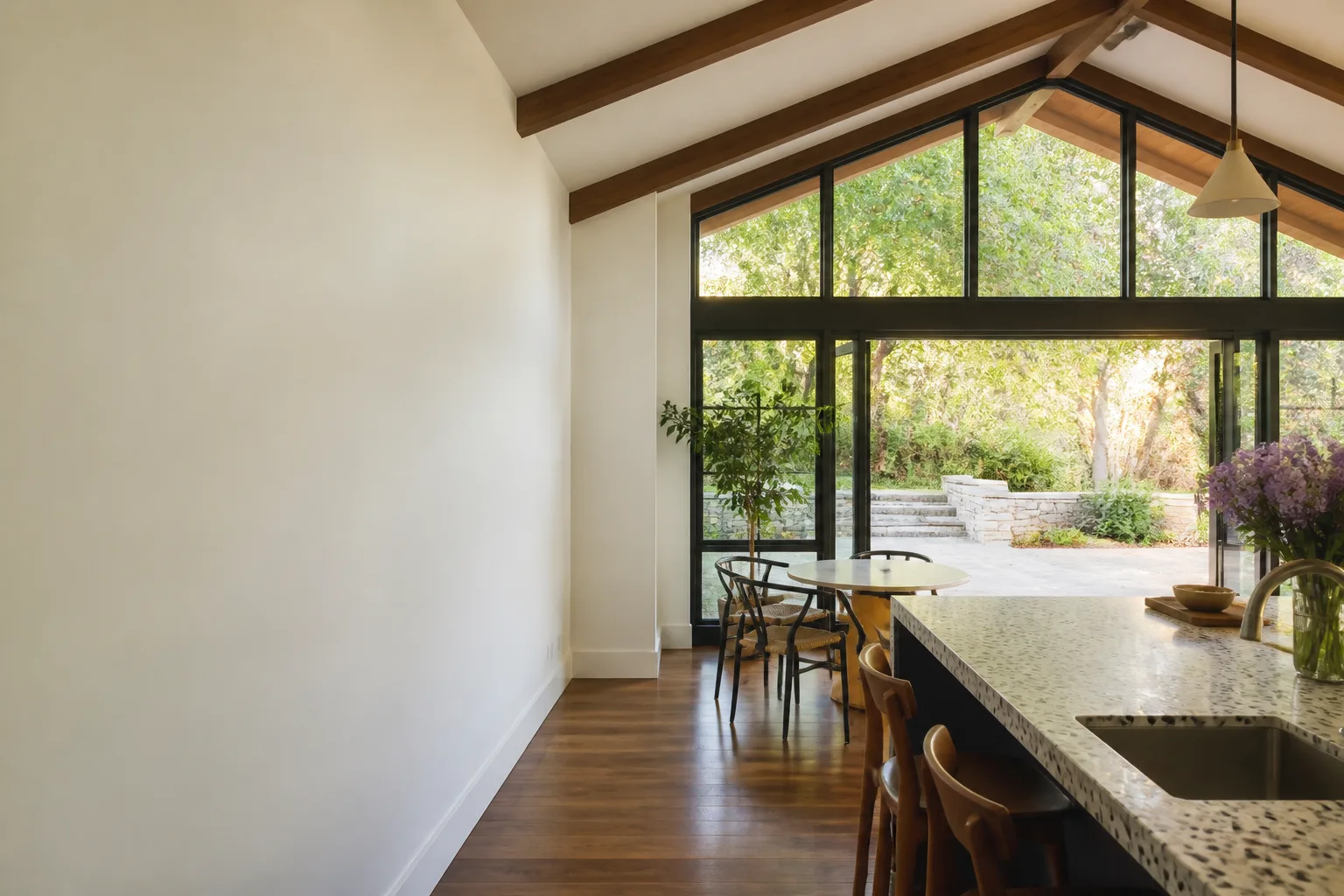
A free site visit, a check of what your lot allows and a written, line-item price.
Get your free estimateFast, Reliable Home Addition Contractor Across Koreatown
Adding square footage to a Koreatown home comes with a set of local rules most contractors never mention until you’re months into the process. The K-town Community Plan overlays many single-family and small multi-family parcels with RD1.5 or RD2 zoning, which caps Floor Area Ratio and often requires replacement parking when a garage gets converted. That one requirement is the single most common reason Koreatown home additions need a variance, and it changes your timeline, your budget, and your design choices before anyone picks up a hammer. We scope jobs with that reality on the table from day one. If you’re planning an ADU, a garage addition, or a full room addition in Koreatown, call (903) 568-7222 and we’ll give you a written price before any work starts, not a verbal ballpark that shifts later.
Our teams know the streets between Wilshire and Olympic, the alleys off Western and Vermont, and the older bungalow courts tucked behind 8th Street. We coordinate permitting through LADBS, handle the seismic retrofit questions on pre-1940 slabs, and keep the schedule realistic instead of optimistic. That’s the difference between a project that finishes on time and one that stalls in plan check for three extra months.
Why Benson ADU Builders Is Koreatown’s Home Addition Contractor
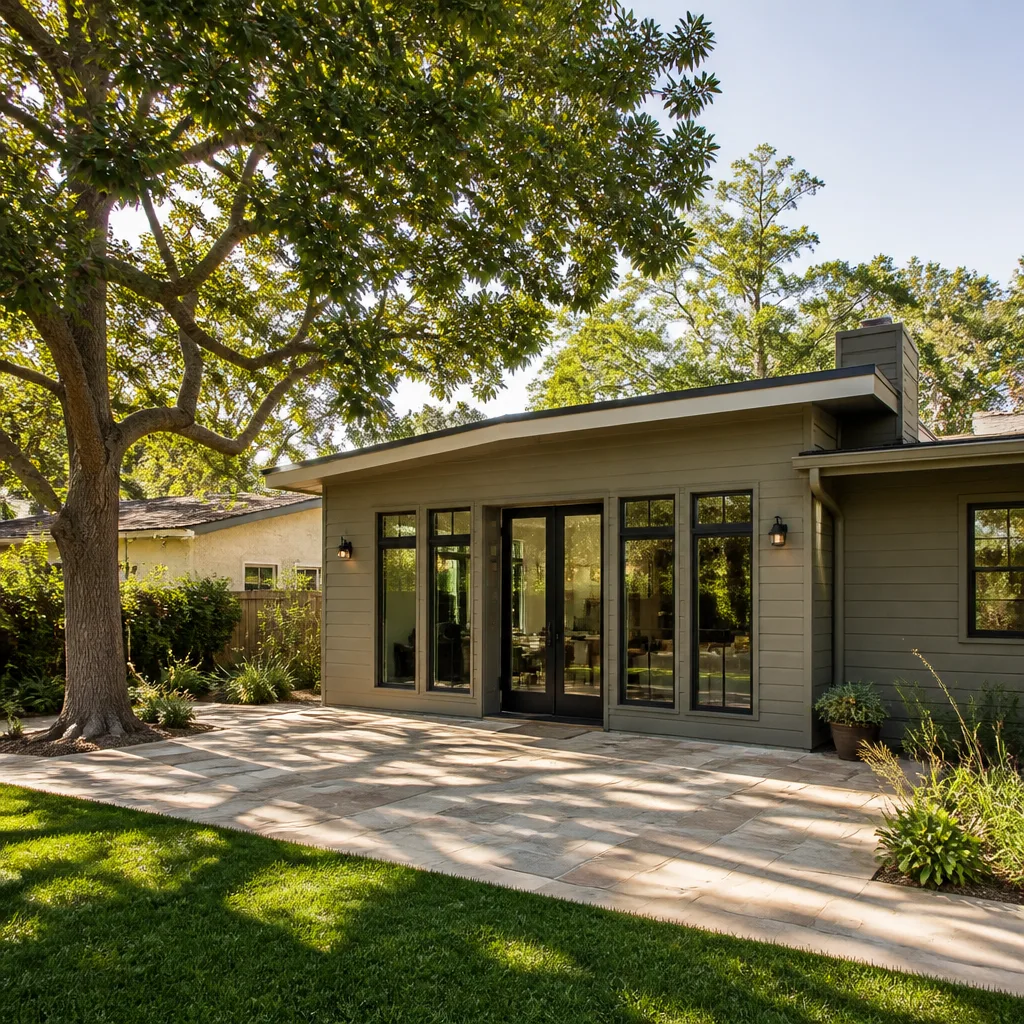
Benson ADU Builders has been building since 2006 as part of the Relay Home Co. family, and our Koreatown work is led by Troy Eastman. Troy has scoped additions on South Manhattan Place, worked through parking replacement variances with the K-Town Community Plan, and walked more Koreatown parcels than we can count, looking at old slabs, rear-lot access, and utility clearances. He puts every price in writing before the first day of construction. No allowances that balloon. No change orders that appear after the concrete is poured.
Our Koreatown customers consistently tell us the same thing: they expected the estimate to be vague and the contractor to disappear, and instead they got a line-item price, a real schedule, and a uniformed crew who showed up when they said they would. We background-check every technician who steps onto your property. You’ll know exactly who’s there, what they’re doing, and what it costs.
And we answer the phone. A live person picks up 24/7, not a voicemail loop. When you call (903) 568-7222 about your Koreatown addition, you talk to someone who can answer questions, schedule the free estimate, and pull up your project details. No phone tag until Monday.
Garage Addition Contractors in Koreatown
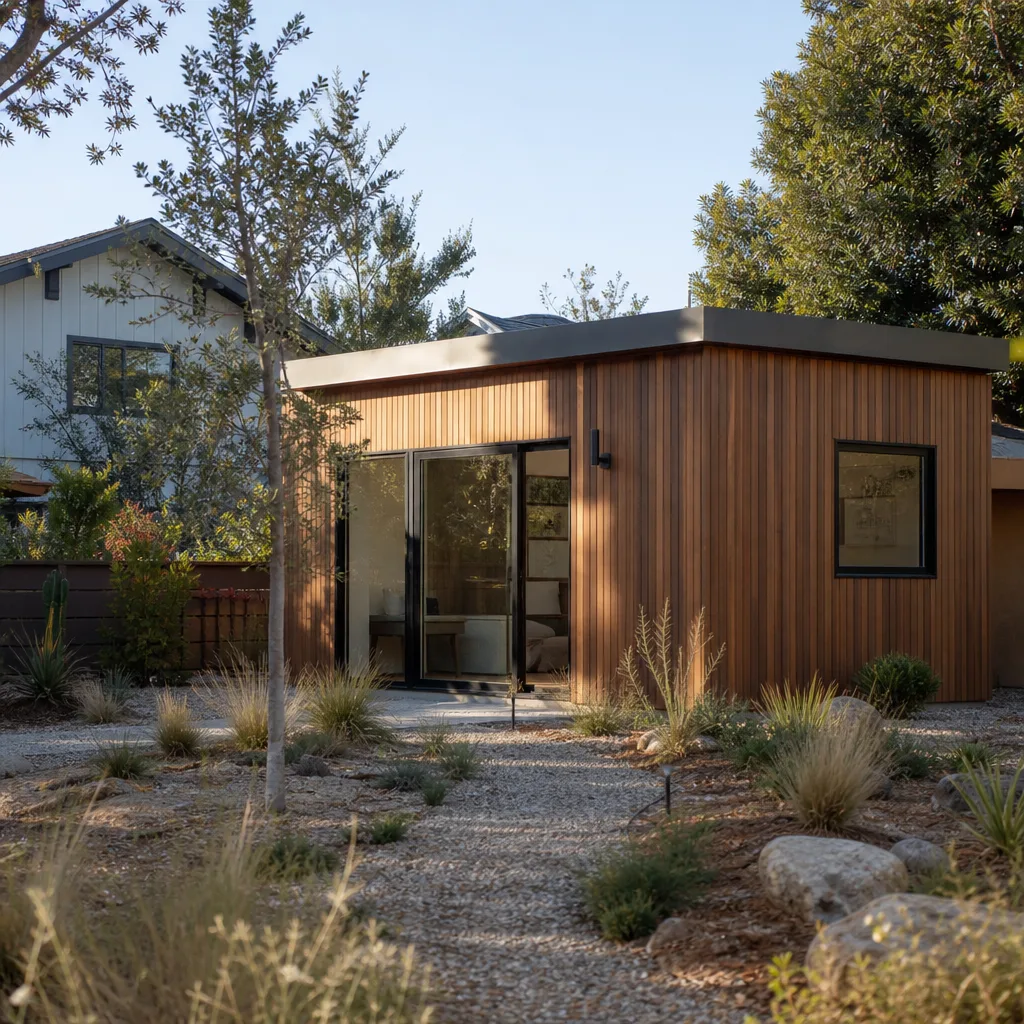
Garage Addition Contractors in Koreatown face a zoning layer that most of Los Angeles doesn’t: the K-town Community Plan regularly triggers a parking replacement requirement when a detached garage gets converted to living space. That means a 400 square foot garage addition can require a variance, a public hearing, or a redesigned site plan before the building permit is ever issued. We handle that entire process, from LADBS pre-inspection to the final stamped plan set, and we price the variance work into your written estimate up front. A typical detached garage addition in Koreatown runs $180,000 to $320,000 depending on foundation condition, seismic retrofit scope, and whether the structure is panelized or site-built.
Re-pouring Old Koreatown Slabs
Most detached garages in Koreatown were poured decades before modern seismic and Title 24 standards existed. The slab is often unreinforced, cracked, or sitting directly on uncompacted fill. We recently scoped a 600 square-foot garage addition for a homeowner on South Manhattan Place near 8th Street, where the existing detached garage was sitting on a non-permitted slab and had to be demolished and re-poured to current seismic standards. Our crew spec’d a Mighty Buildings panelized unit on a new foundation, coordinated the structural and MEP plan check through LADBS, and pulled the permit package after the parking replacement was mapped out. The homeowner kept the existing driveway while building the new detached addition behind the primary house.
Panelized vs. Site-Built
Panelized construction, like the Abodu and Mighty Buildings systems we’re authorized to install, compresses framing time significantly and reduces weather exposure on tight Koreatown lots. Site-built framing gives you more design flexibility on oddly shaped parcels. We’ll show you both options with real prices, not a single take-it-or-leave-it product.
Bathroom Addition Contractor in Koreatown
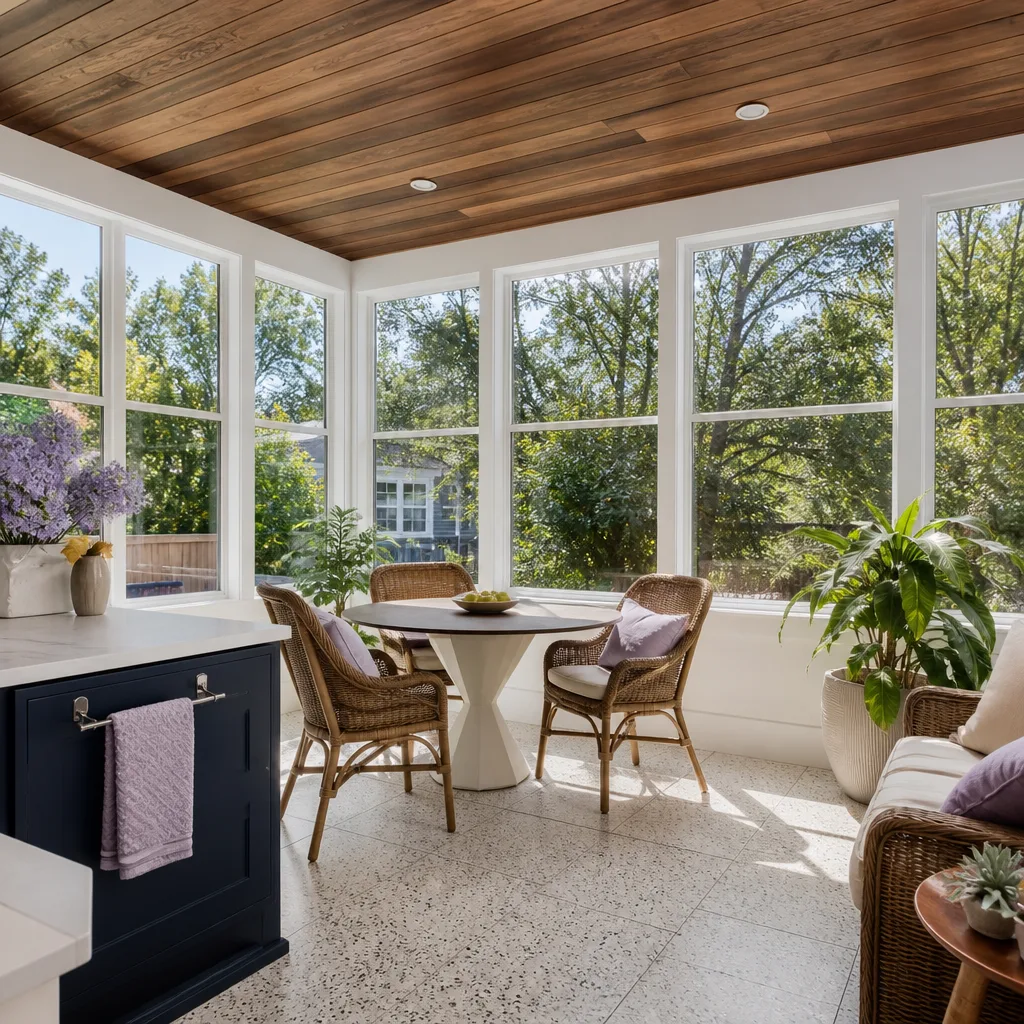
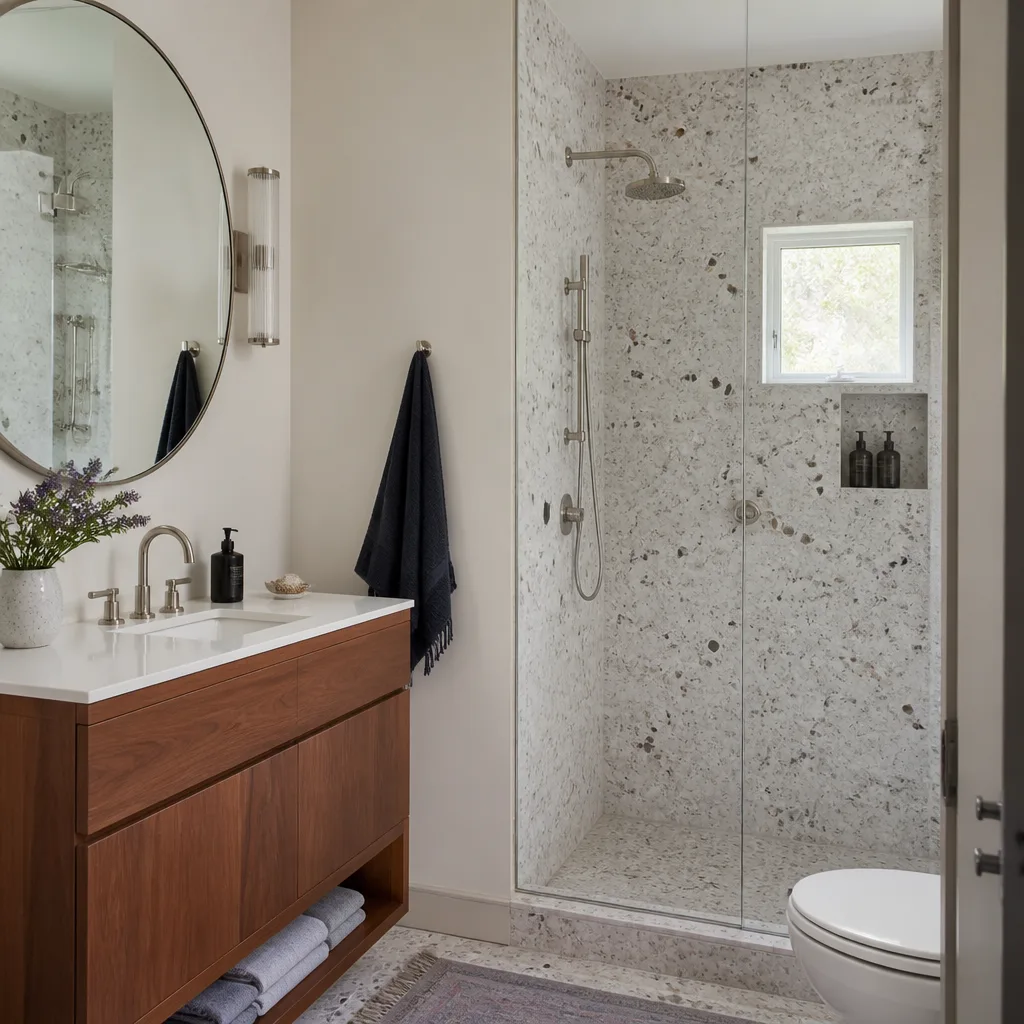
Bathroom Addition Contractor work in Koreatown usually means squeezing a second or third bath into a 1920s bungalow or a postwar courtyard unit where the original layout was built for one bathroom and a shared hallway. Older Koreatown homes have cast-iron waste lines, knob-and-tube remnants, and floor joists that were never designed for modern wet-room loads. A typical bathroom addition in Koreatown runs $55,000 to $95,000 when it’s a full new bath with new plumbing, waterproofing, and finishes. If it’s a primary-bath expansion with a wet room and custom tile, expect $95,000 to $140,000.
Stacking Plumbing on 1920s Bungalows
When we add a bath to a Koreatown bungalow, we look for existing vertical plumbing chases first. Stacking the new bath above or beside an existing wet wall saves thousands in cast-iron removal and keeps the permit review cleaner with LADBS. If the chase doesn’t line up, we’ll tell you what it costs to move it before we write the contract, not after.
Title 24 and Ventilation
California’s Title 24 energy code applies to a Koreatown bathroom addition the same as it does to a full home. That means exhaust fans sized to the room, lighting controls, and in most cases a new electrical circuit. We include those costs in the line-item estimate so the building inspector’s sign-off doesn’t come with a surprise at final inspection.
Trusted Brands We Service in Koreatown
We’re authorized to build with and source materials from brands you can research independently before you ever sign a contract. On Koreatown projects we regularly spec Abodu and Mighty Buildings panelized ADU and addition systems, which handle tight-lot access and LADBS plan check efficiently. For cladding and exterior finish work we use James Hardie fiber cement, which holds up better than stucco on Koreatown’s older wood-framed homes and doesn’t crack the way original plaster does after a foundation shift. We keep a running inventory of common trims, flashings, and Hardie panel profiles in our local yard, so Koreatown crews aren’t waiting on a special order when a wall is ready to close up. That keeps your schedule moving.
Common Home Addition Contractor Problems We See in Koreatown Homes
- Garage conversions assumed “by right” that trigger parking replacement. Under the K-town Community Plan’s RD1.5/RD2 zoning, converting a detached garage to living space often means providing a covered parking space elsewhere on the parcel. Homeowners who skip this step get a stop-work order mid-project. We map the parking layout before we submit anything.
- Old slabs that fail seismic and geotech review. Koreatown garages built before 1950 usually sit on unreinforced concrete over fill soil. LADBS will flag the slab during pre-inspection, and re-pouring adds $15,000 to $30,000 depending on size. We test and price this before the contract, not after demolition.
- Plan sets that stall at LADBS resubmittal. A contractor’s verbal scope is not a stamped plan set. When the plans don’t match zoning, structural, or Title 24 requirements, the plan check stops and you wait another four to eight weeks. We run every Koreatown addition through a full plan check before we submit.
- Utility clearances on rear-lot additions. Koreatown parcels are dense, and rear-lot additions often sit close to DWP power lines or sewer laterals. If your addition footprint conflicts with a utility easement, LADBS will require relocation or a revised site plan. We pull utility maps early and design around what’s actually there.
Pricing for Home Addition Contractor in Koreatown, CA
Here’s what Koreatown homeowners should expect to pay for common additions based on the jobs we’ve scoped and built in the area. These are real ranges, not teaser numbers.
- Garage addition (new detached, panelized): $180,000 – $320,000
- Bathroom addition (full new bath): $55,000 – $95,000
- Primary bath expansion with wet room: $95,000 – $140,000
- Room addition (site-built, 400 – 600 sq ft): $140,000 – $260,000
- Second story addition (over existing footprint): $220,000 – $380,000
- Sunroom addition: $80,000 – $150,000
- Bump-out addition (kitchen or bath extension): $60,000 – $120,000
What moves the price in Koreatown specifically: whether your parcel triggers parking replacement under the K-town Community Plan, the condition of the existing slab and foundation, seismic retrofit scope on pre-1940 structures, and whether you choose a panelized system like Abodu or Mighty Buildings versus full site-built framing. We give you a written line-item price before any work starts. No allowances that become change orders. Call (903) 568-7222 for a free estimate and we’ll walk your specific parcel, not a generic template.
We Also Serve Cities Near Koreatown
If your project is just outside Koreatown, we cover the surrounding area too. Our Home Addition Contractor team works in Los Angeles, Long Beach, Anaheim, and Riverside, with the same written-price guarantee and 365-Day Done Right Promise on every job. And if you’re specifically in the neighborhood, our Home Addition Contractor in Koreatown page covers the local zoning and permit process in detail.
Serving Koreatown, CA - Our Local Coverage Area
We’re based in the Koreatown area and know this community well. Use the map below to see our service coverage - if you’re nearby, we can almost certainly help.
FAQs About Home Addition Contractor in Koreatown
In many cases, no. The K-town Community Plan’s RD1.5 and RD2 zoning often requires replacement parking when a detached garage is converted to living space, which means you either build a new covered parking structure or apply for a variance. A variance adds months and public hearing time, so we scope that into the schedule and budget from the start. Call (903) 568-7222 and we’ll check your specific parcel against LADBS and the Community Plan requirements.
A Koreatown home addition typically requires a building permit, a zoning review under the K-town Community Plan, structural and Title 24 plan check through LADBS, and depending on scope, a geotechnical report. Plan check on a straightforward room addition usually runs 6 to 10 weeks. A garage conversion with a parking variance can take 4 to 6 months. We handle the full permit package and keep you updated on where it is in the queue.
Expect to deal with cast-iron waste lines, original knob-and-tube wiring, and floor joists that may need reinforcement for modern wet-room loads. We’ll trace the existing plumbing chase, test the lines, and price the upgrade work into your written estimate. A full new bath in a Koreatown bungalow typically costs $55,000 to $95,000 depending on the condition of the existing systems. Call (903) 568-7222 for an exact quote.
Usually yes if the addition is a new detached structure or if LADBS flags the existing slab during pre-inspection. Koreatown soil conditions vary block by block, and older garages often sit on unreinforced slabs over fill. A geotech report tells us what the new foundation needs, and it typically adds $3,000 to $6,000 to the project. We’ll tell you early if your parcel will require one.
With our process, almost nothing. We give you a written line-item price before work starts, and the 365-Day Done Right Promise covers the workmanship after it’s done. The only legitimate price changes are things you choose to add, like upgrading fixtures or expanding the scope. We don’t write allowances that balloon, and we don’t file change orders for things we should have caught during scoping. Call (903) 568-7222 to get your written price.
Written by Troy Eastman, Owner at Benson ADU Builders, serving Koreatown with written pricing, honest schedules, and workmanship backed by a 365-Day Done Right Promise.