Tuff Shed Site Prep & Utilities: The Los Angeles Owner’s Guide
Site prep and utility work for a Tuff Shed in Los Angeles typically runs $2,800 to $9,500 installed, depending on whether you need a simple gravel pad, a concrete slab, or full electrical and water tie-ins. We stock and install Tuff Shed-compatible site prep materials and utility components, and most standard pad jobs are completed within two to four days once permits clear. The way most owners discover their site prep failed is unglamorous: a corner of the shed starts sinking, the door binds because the slab settled, or water pools along the floor edge after the first real rain since the shed went in.
We’re an independent service provider, not affiliated with Tuff Shed, and we’ve built enough of their units to know exactly what the site work underneath them demands.
Key Takeaways:
- Los Angeles site prep for a Tuff Shed typically costs $2,800 to $9,500 depending on slab size, soil condition, and utility runs.
- Expansive clay soil and seismic movement are the two biggest reasons Tuff Shed pads fail in LA.
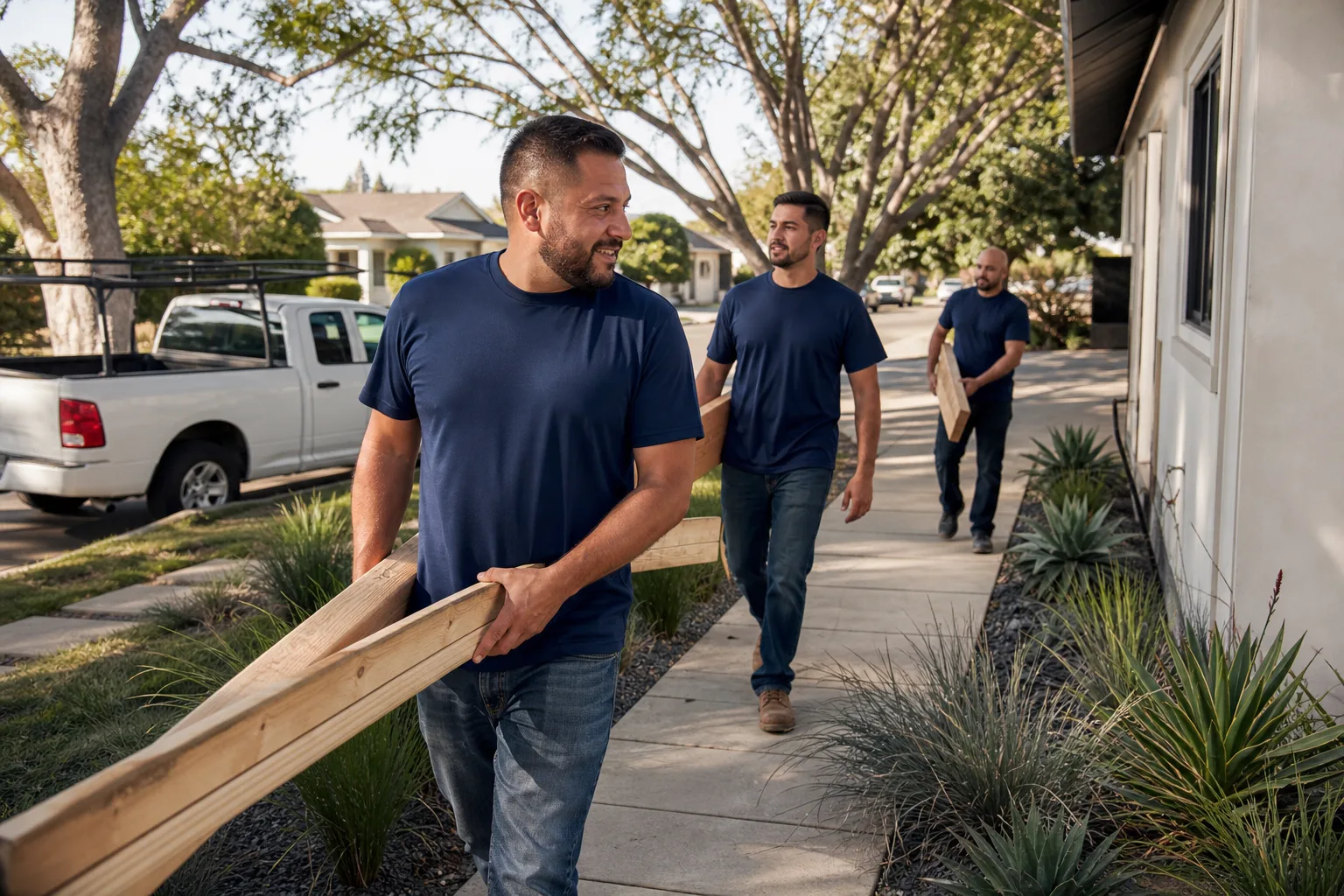
- We stock gravel, form boards, anchor bolts, vapor barrier, conduit, and panel-ready components on the truck for most Tuff Shed site jobs.
- Every price is written before work starts. No change orders billed after the fact.
Which Tuff Shed Models This Applies To
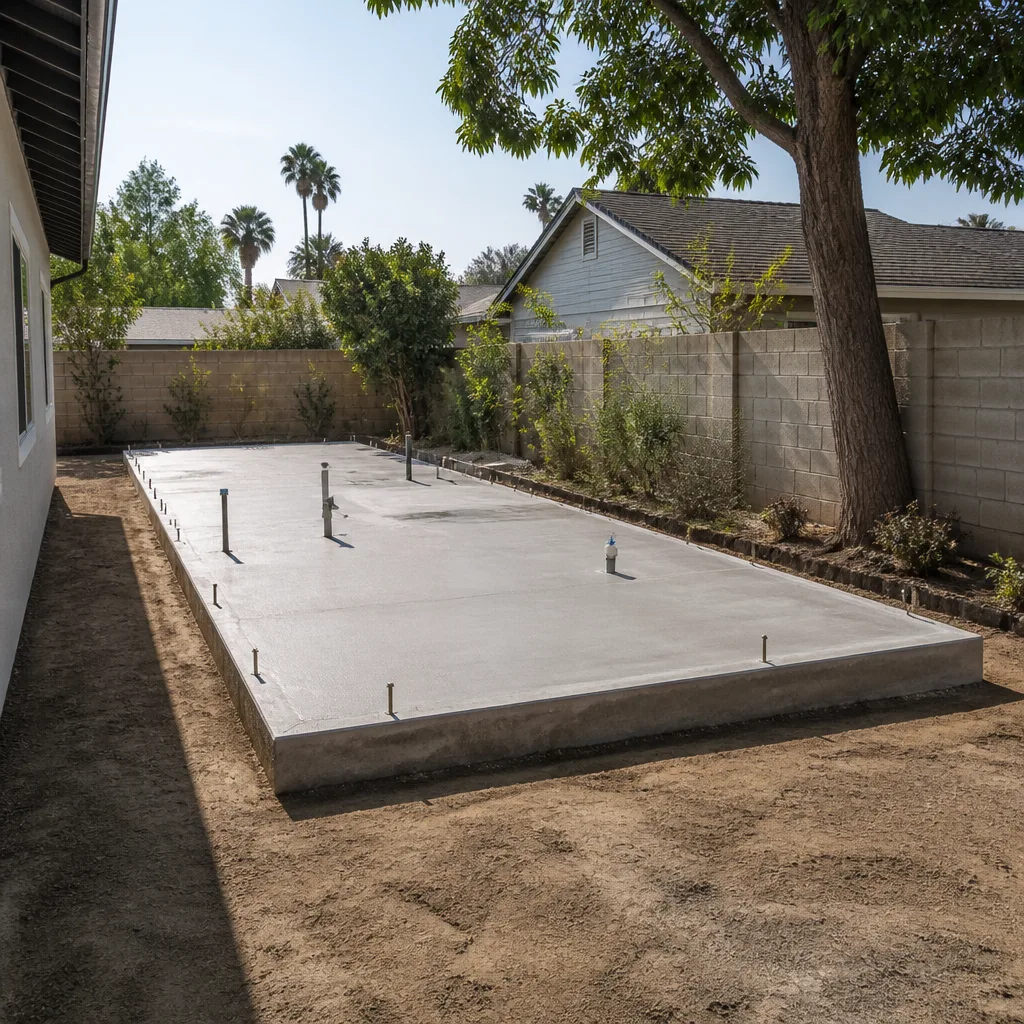
Site prep and utility requirements apply to every Tuff Shed line sold in Southern California, but the specifics vary by model. The Premier PRO Series and Premier Tall Series sit on engineered floor systems that demand a level, well-drained pad with anchor points placed precisely at the manufacturers specified intervals. The Ranch Series and installed models from Tuff Shed’s builder network have their own foundation schedules, and we match the prep to the exact floor framing your unit carries.
Here’s the compatibility gotcha most Los Angeles owners hit: your Tuff Shed’s floor system is rated for a specific maximum slope and a specific anchor pattern. A pad poured for a big-box resin shed will not meet Tuff Shed’s anchor spacing, and a pad poured flat without a vapor barrier will wick moisture into your floor framing within two years in LA’s winter wet season. We check the model plate on your shed’s door frame, measure the floor joist spacing, and match the prep to Tuff Shed’s published installation requirements for that specific series, not a “one slab fits all” guess.
For utility work, the question is always whether you want the shed to be a storage box or a usable room. If it’s storage, we run a single 20-amp circuit and call it done. If it’s going to be a workshop, office, or guest space, we spec the panel, conduit, and grounding for that real load, and we pull the permit before we pull wire.
Signs Your Tuff Shed Site Prep & Utilities Is Failing
- The door binds or won’t latch cleanly. This usually means the pad has settled unevenly and the floor frame is twisting. In Los Angeles, expansive clay soil heaves with winter moisture and contracts in summer heat, and a pad without proper compaction or rebar gives way within a few seasons.
- Water pools at the shed’s base after rain. Your pad wasn’t graded with enough fall, or the perimeter drainage is clogged. Standing water against Tuff Shed skirting invites rot and rust in the floor framing and anchor hardware.
- You can see daylight under one corner. The pad has settled past the floor system’s tolerance. This is the point where the shed’s warranty stops covering the unit because the foundation failed, and shimming it back to level is a temporary fix, not a repair.
- The outlet trips constantly or the lights flicker. Either the circuit is undersized for what you’re running, or moisture has gotten into the conduit and is shorting the line. We see this most often in Los Angeles when owners run power tools or a small AC unit off a circuit that was really meant for a single garage door opener.
- Mold or musty smell inside the shed. No vapor barrier under the floor, or the pad sits too low relative to surrounding grade. Los Angeles gets less rain than people think, but when it comes, a shed built on dirt with no moisture break becomes a terrarium.
Replacement Cost & What’s Included
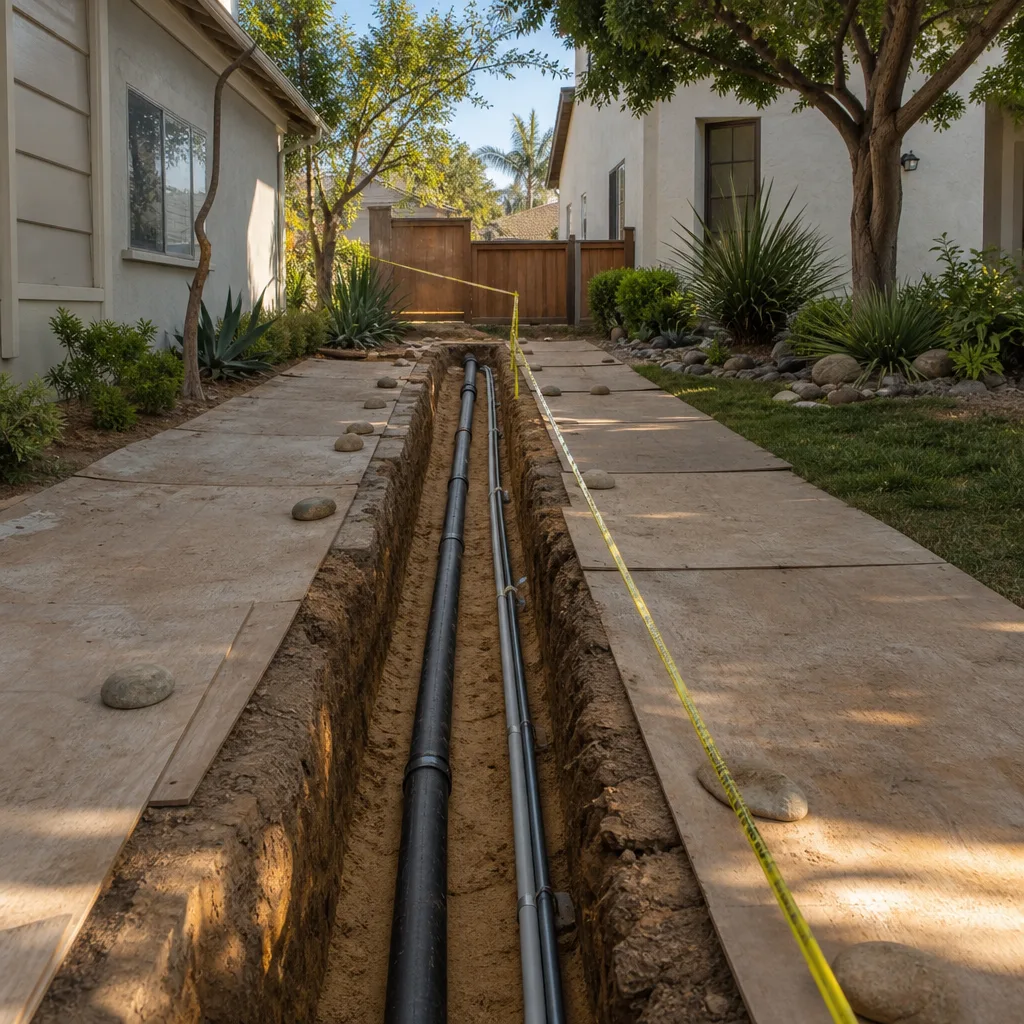
Here’s what Tuff Shed site prep and utility work actually costs in Los Angeles right now:
- Gravel pad with perimeter framing (no utilities): $2,800 to $4,200 for an 8×12 or 10×12 footprint.
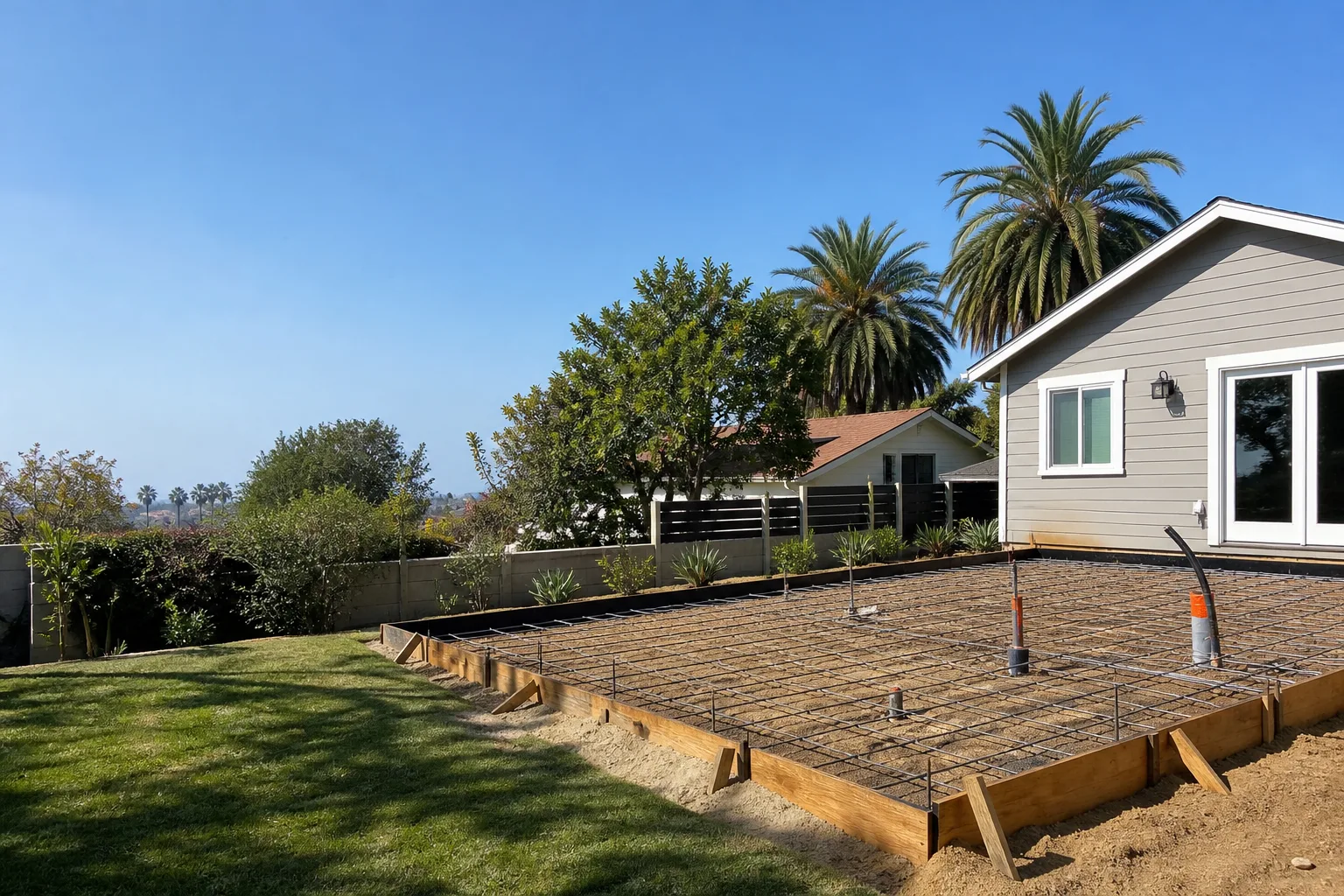
- Concrete slab with vapor barrier, rebar, and anchor bolts: $4,500 to $7,800 depending on thickness, site access, and whether we need to remove an old pad first.
- Full utility package (subpanel, conduit, outlets, lighting, and one dedicated circuit): $3,200 to $9,500 depending on trenching distance from the main panel and whether water or drainage is included.
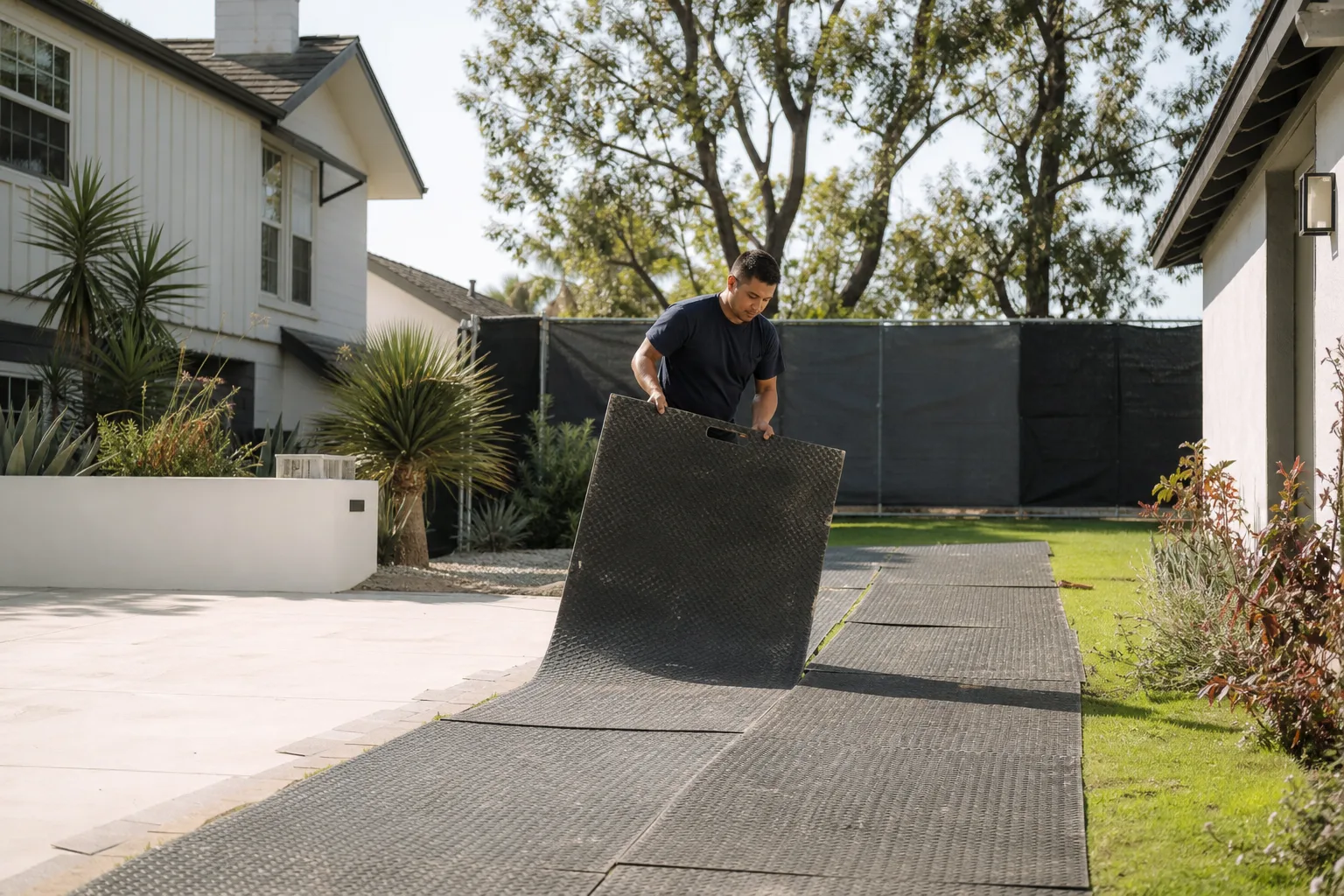
The range gets driven by three things: soil condition, site access, and how far the utility trench has to run. A backyard with 40 feet of concrete to saw through costs more than a side yard with open dirt. Every quote we write is a line-item price, fixed before work starts, and it includes the permit, the inspection, and a written 365-Day Done Right Promise. If the pad cracks or the circuit fails within a year, we’re back to fix it, free.
We also work with Abodu, Cover, and Dvele prefab units, so if your Tuff Shed is the first structure and a full ADU is the eventual plan, we can prep the site with that future build in mind and avoid redoing work later.
DIY or Call Us?
You can safely check the pad yourself: walk the perimeter with a level, look for visible settling, and check the anchor bolts are still snug. That’s useful information and it costs you nothing.
What you shouldn’t do is trench electrical conduit or pour a new slab on your own. Los Angeles building codes require permits and inspections for both, and a pad poured without proper compaction or rebar spacing will fail the same way the first one did. Trenching is where DIY in Los Angeles gets dangerous fast: utility lines run shallower than people expect, and hitting a gas or electric line is a fast way to turn a weekend project into an emergency.
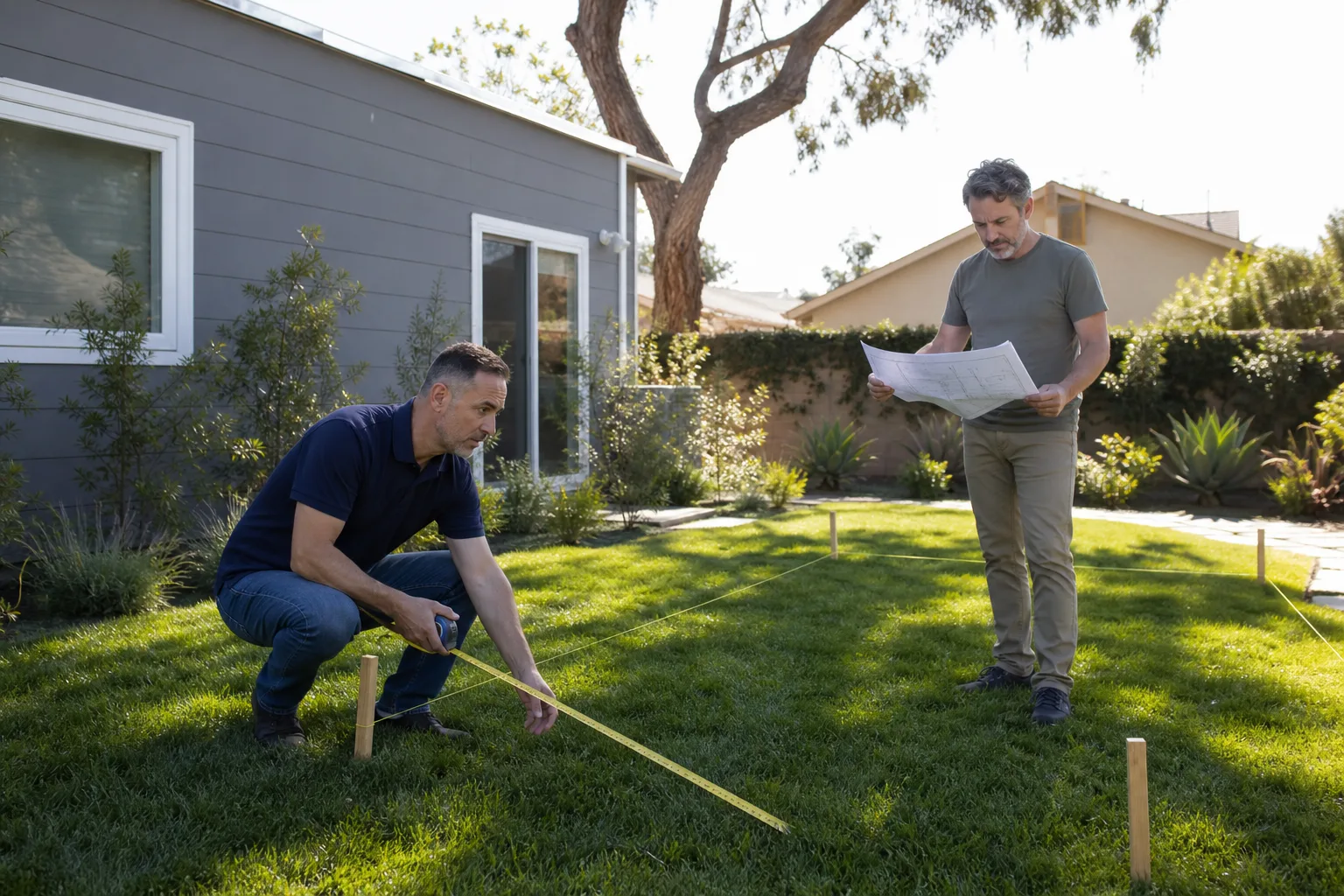
Everything we install gets a written price and a permit. If you call (903) 568-7222, we’ll measure the site, check the existing pad, and write you a number you can hold us to. Every promise goes in writing before a single shovel turns.
FAQs
A properly poured concrete pad with a vapor barrier, rebar, and correct compaction should last 25 to 40 years in Los Angeles before showing meaningful settlement. Gravel pads will need re-leveling every 5 to 10 years depending on drainage and soil movement. Call (903) 568-7222 if your pad is settling within the first few years, that usually means it was poured wrong, and we can tell you exactly what’s failing.
Sometimes, if the settlement is minor and isolated to one corner, we can lift and stabilize the slab with polyurethane injection or re-grade the base and repair the perimeter. But if the pad never had a vapor barrier or rebar, or the soil underneath wasn’t compacted, repair is throwing money at a structural problem. We’ll tell you honestly which situation you have when we walk the site. Estimates are free.
Most gravel pads go in within two days, and a full concrete slab with utilities typically takes four to seven working days once permits are approved. Los Angeles permit timelines vary by scope, but we handle the paperwork and inspections, and you’ll see photo updates as the job progresses.
We stock gravel, form boards, anchor bolts, vapor barrier, conduit, boxes, and panel components on our trucks, so standard site prep and electrical work doesn’t wait on a supplier. If your Tuff Shed needs a specific anchor pattern or a heavier ga. panel, we source it same week from our local suppliers. Call (903) 568-7222 and we’ll tell you what’s in stock for your project.
Written by Troy Eastman, Owner & Lead Builder, Benson ADU Builders at Benson ADU Builders, serving Los Angeles and nearby areas.