Cover Site Prep & Utilities: The Los Angeles Owner’s Guide
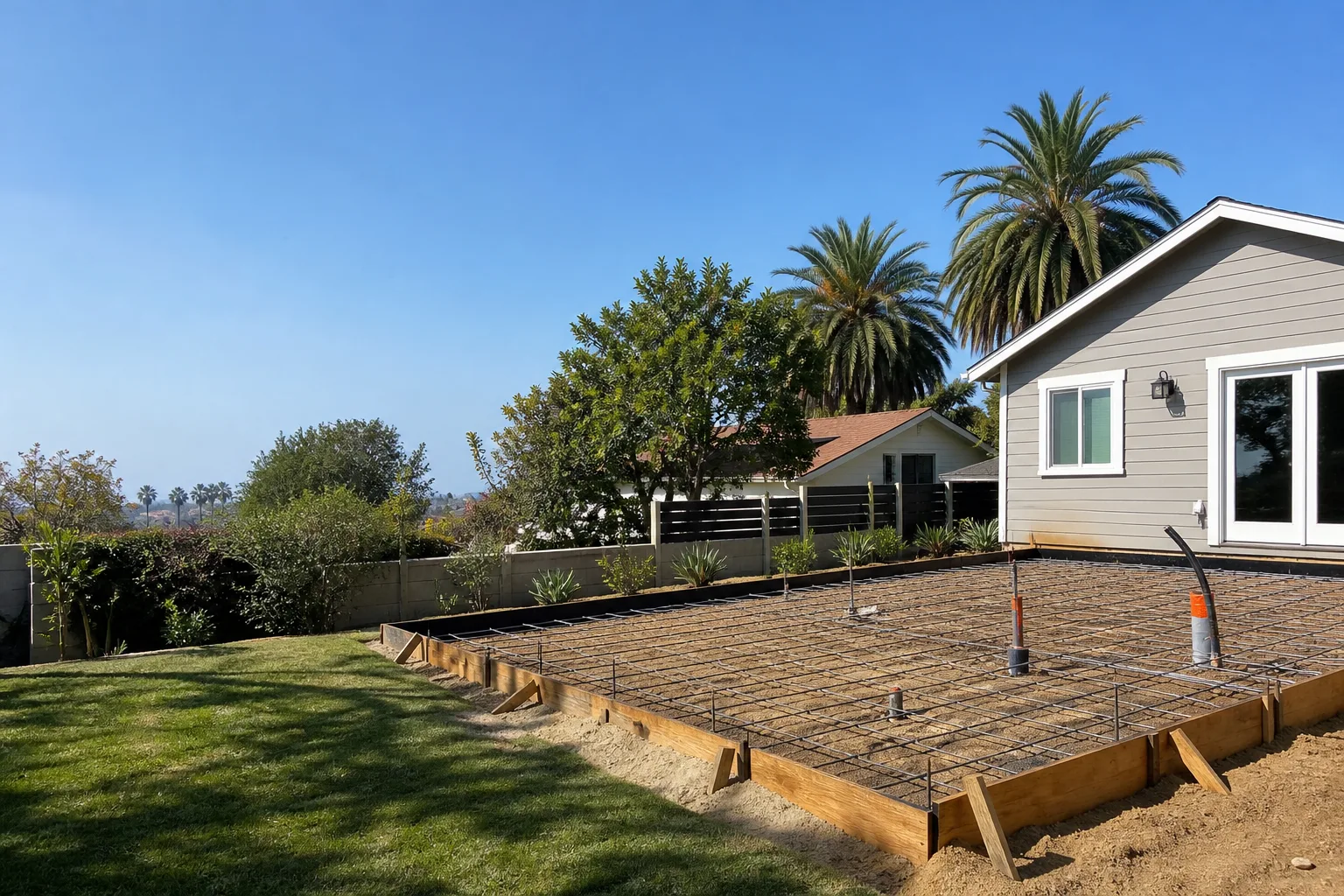
Site prep and utilities for a Cover unit in Los Angeles typically run $25,000 to $60,000 installed, depending on soil conditions, existing utility stubs, and how far your backyard sits from the street. We stock and install the full Cover-compatible site package: groundwork, foundation system, trenching, sewer and water tie-ins, and the electrical feeder that powers the unit. Most owners discover their site work needs attention the hard way: the city flags the plan check for missing utility details, a perc test fails, or the existing sewer lateral turns out to be 80 years old and cracked. None of this is the fun part of an ADU, but it’s the part that determines whether the unit actually works for the next 50 years.
If your Cover unit is already delivered and something upstream is failing, this guide covers what to look for. If you’re still in the planning phase, it covers what to budget before the factory ever starts cutting panels.
Which Cover Models This Applies To
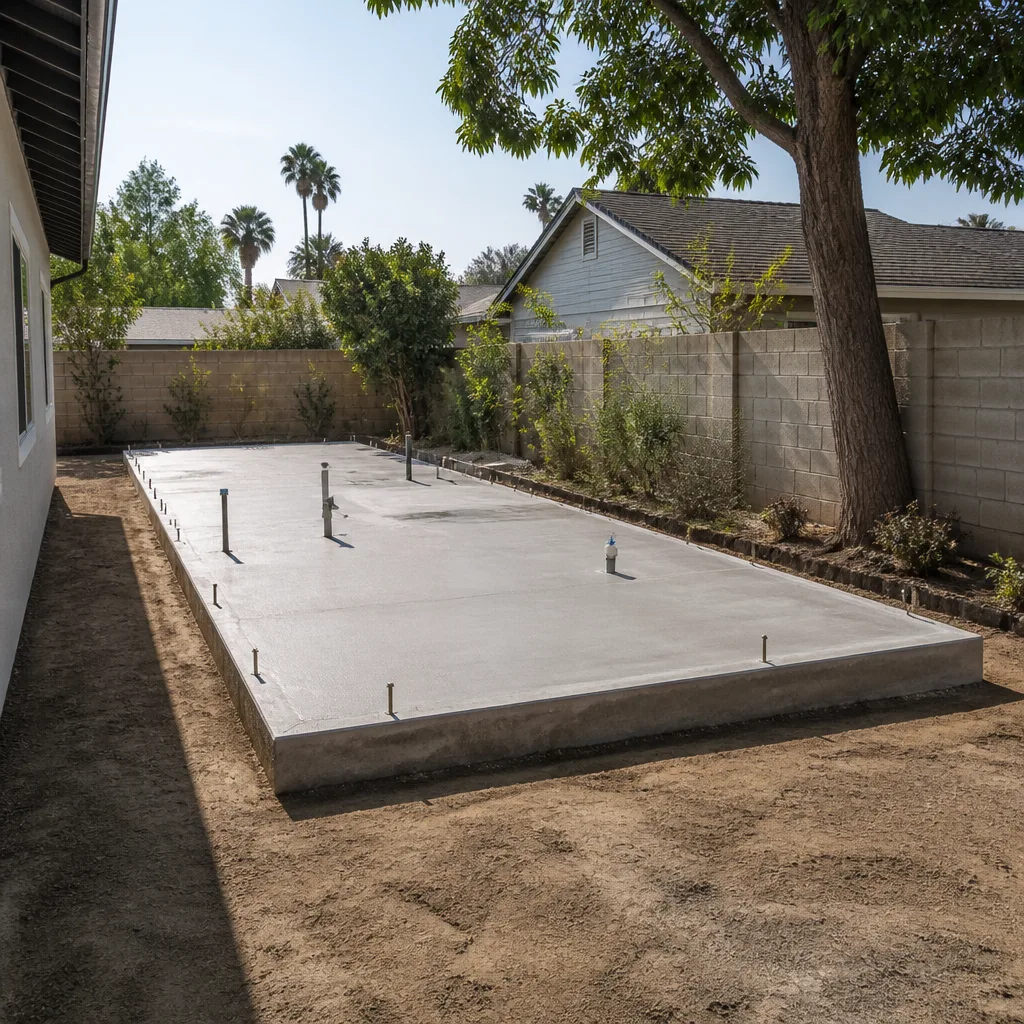
This applies to every Cover model, from the one-bedroom Cover 1 through the larger two-bedroom layouts. The site package is not model-specific in the way a door hinge or a window sash is. What changes from model to model is the utility load, not the trench itself. A larger Cover unit with an electric range, dryer, and mini-split heat pump pulls a bigger electrical load, so the feeder wire gets upsized accordingly. The trench depth, sewer slope, and water line sizing stay the same across the board.
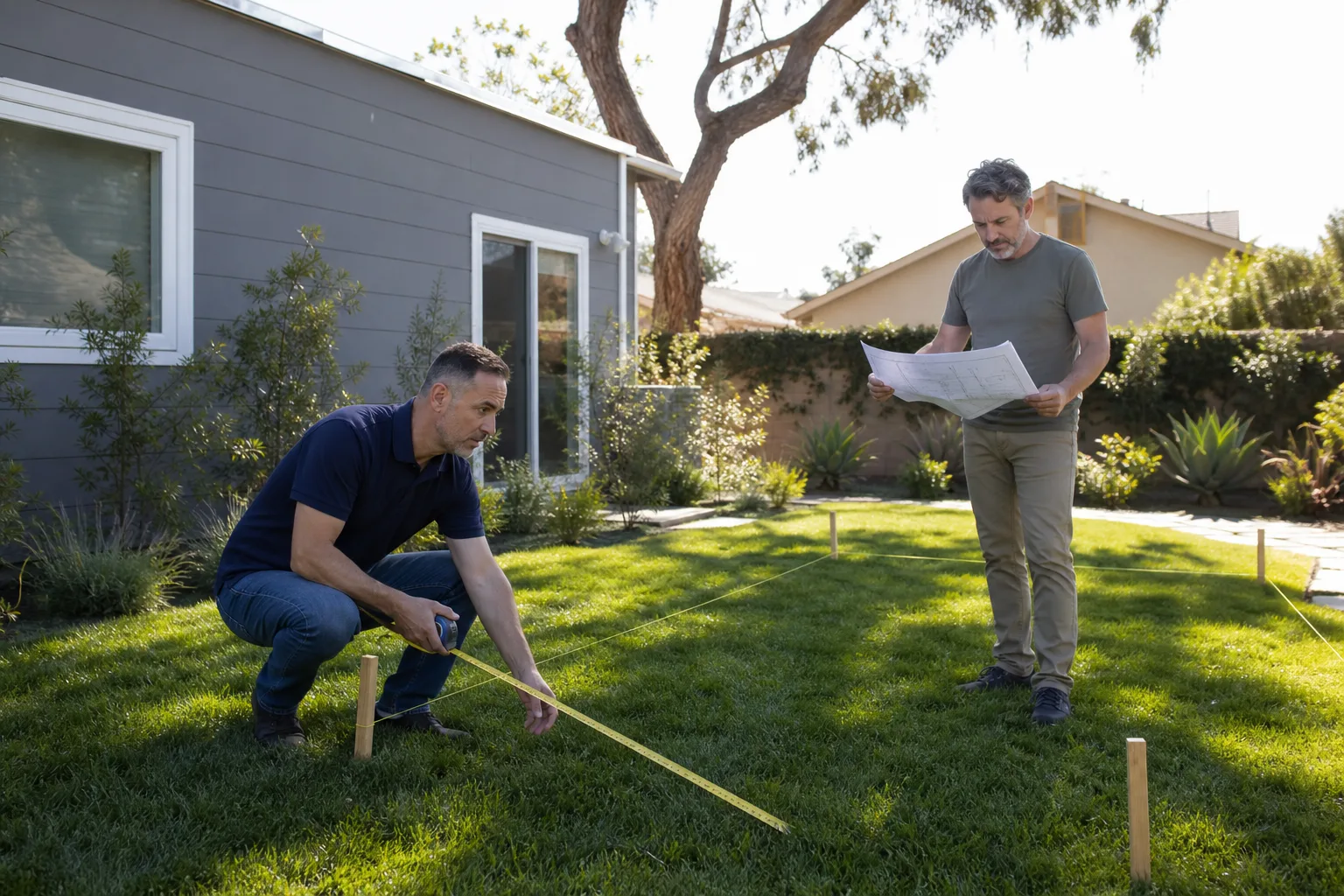
One Cover-specific gotcha we see often in Los Angeles: the factory ships the unit with a predetermined utility stub location, usually the rear-left corner when you face the front door. If your site crew set the trenches for street-side or rear-right entry, you now have a conflict that eats up schedule time and money. We always pull the exact shop drawings from Cover before we stake anything. The OEM site spec sheet lists the utility corridor dimensions, and we follow those numbers to the inch because a utility trench that is off by eighteen inches becomes a jackhammer job after the unit lands.
On the OEM-versus-aftermarket question for Cover specifically: Cover does not manufacture its own sewer pipe, water line, or electrical conduit. Those are commodity materials from suppliers every LA contractor uses. What you are really paying for is the labor to trench correctly, the know-how to hit the right depth and slope, and the paperwork to get the utility sign-offs. There is no aftermarket sewer line brand that beats another. There is a right way and a wrong way to install it, and we do the right way.
Signs Your Cover Site Prep & Utilities Is Failing
- Sewer smells near the unit or in the backyard. This usually means the sewer lateral was laid with insufficient slope, or a joint separated and effluent is pooling underground. In Los Angeles clay soil, which expands and contracts with rain, even a small separation turns into a smell you will notice before a backup ever happens.
- Slow drains in the ADU but not the main house. That points to a restriction in the dedicated ADU branch line, not the city main. We commonly find this when the original trench settled and created a belly, a low spot where waste pools instead of flowing downhill by gravity.
- Low water pressure or rusty water from the ADU taps alone. The culprit is often an undersized water line or an old galvanized stub that was never replaced when the rest of the house got repiped. Code in LA requires a dedicated water service or properly sized branch for an ADU, but plenty of older tie-ins predate the current standard.
- Breaker trips when the ADU runs a few appliances at once. This is the electrical feeder shouting at you. It says the wire size and the breaker do not match what the Cover unit actually draws. A two-bedroom with an electric dryer, dishwasher, and two split heads needs real amperage headroom, not a 60-amp panel fed by wire that can barely clear 40.
- Foundation movement: doors that stick seasonally or cracks running through drywall corners. The Cover chassis is precise, which means it forgives very little sloppy site work underneath it. If the piers or grade beam were set without proper compaction or drainage, the unit will telegraph that movement and you will see it in the seams.
Replacement Cost & What’s Included
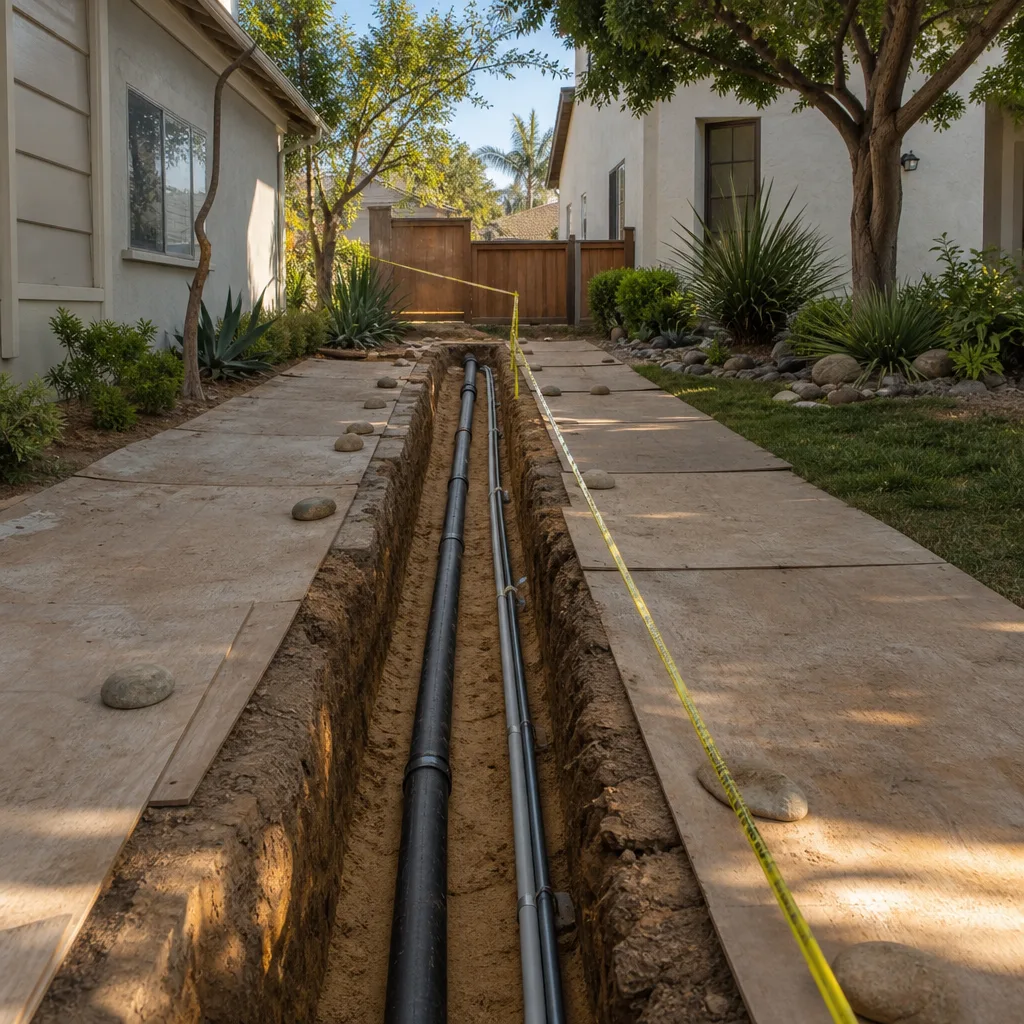
For an existing Cover unit needing utility or groundwork repair, plan on $3,000 to $9,000 for a sewer spot fix or redo, $2,500 to $6,000 for a water line replacement, and $4,000 to $11,000 for electrical feeder upsizing, including trenching and the LA Department of Building and Safety inspection. If the foundation piers or grade beams need additional support, that starts around $5,000 and climbs based on how much shoring and leveling the unit requires. And if all of it is wrong, a full site package replacement runs the same $25,000 to $60,000 range as new ground-up site work.
Every number we give you at Benson ADU Builders is a written line-item quote before work starts, with the labor and materials broken out separately. No verbal ballpark that becomes a different invoice later. The work is covered by our 365-Day Done Right Promise: if it is not right within a full year, we make it right, in writing.
DIY or Call Us?
Here is the honest split. You can check a few things safely: look at where your utility lines enter the unit, confirm you can see the cleanout for the sewer line, and note whether your main panel has a dedicated breaker labeled for the ADU. That information helps us quote faster. What you should not do is open the trench, dig around a live electrical feeder, or attempt any sewer work yourself. A buried electrical line under load can kill you. A collapsed trench can too. This is not the place to learn via YouTube.
If you are troubleshooting a failing site package, the safest first move is a phone call. We can tell you over the phone what is worth checking from the surface and whether the symptom matches a common fix or a serious problem. Call us at (903) 568-7222 and talk to a live person, not a voicemail tree.
FAQs
Properly installed sewer, water, and electrical service should last 50 years or more, though LA’s expansive clay soil and seismic activity do shorten the realistic lifespan of poorly compacted trenches to 15 to 25 years before settlement issues appear. Correct slope, depth, and bedding are what determine whether you are in the 50-year camp or the 15-year camp.
You almost never need to replace everything. A cracked sewer lateral can be spot-repaired with a trenchless pipe liner in many Los Angeles backyards, and a water line can be replaced without touching the electrical feeder. We quote the specific repair, not a package deal, and the price is in writing before any excavation begins. Call (903) 568-7222 to have someone walk the site with you.
Most single-utility repairs on a Cover unit take two to four working days, including inspection and backfill. A full site package for a new unit runs one to three weeks because of the trenching, utility company coordination, and LA Department of Building and Safety inspection windows. We give you a written schedule with real dates, not “sometime next month.”
Yes, we keep the common sizes and fittings on our trucks: 4-inch ABS and schedule 40 sewer pipe, PEX and copper water line, conduit and feeder cable in the gauges Cover units actually use, and pier hardware. It means fewer trips to the supply house and less time where your backyard is an open trench. For Abodu and Dvele units we also carry the same class of materials, so switching between prefab brands does not mean new crew training or new sourcing.
Every promise goes in writing before a single shovel turns. If your Cover unit in Los Angeles has a site or utility problem, or you are planning a new one and want the ground work quoted honestly before the factory build starts, call us at (903) 568-7222 for a free estimate.
Written by Troy Eastman, Owner & Lead Builder, Benson ADU Builders at Benson ADU Builders, serving Los Angeles and nearby areas.