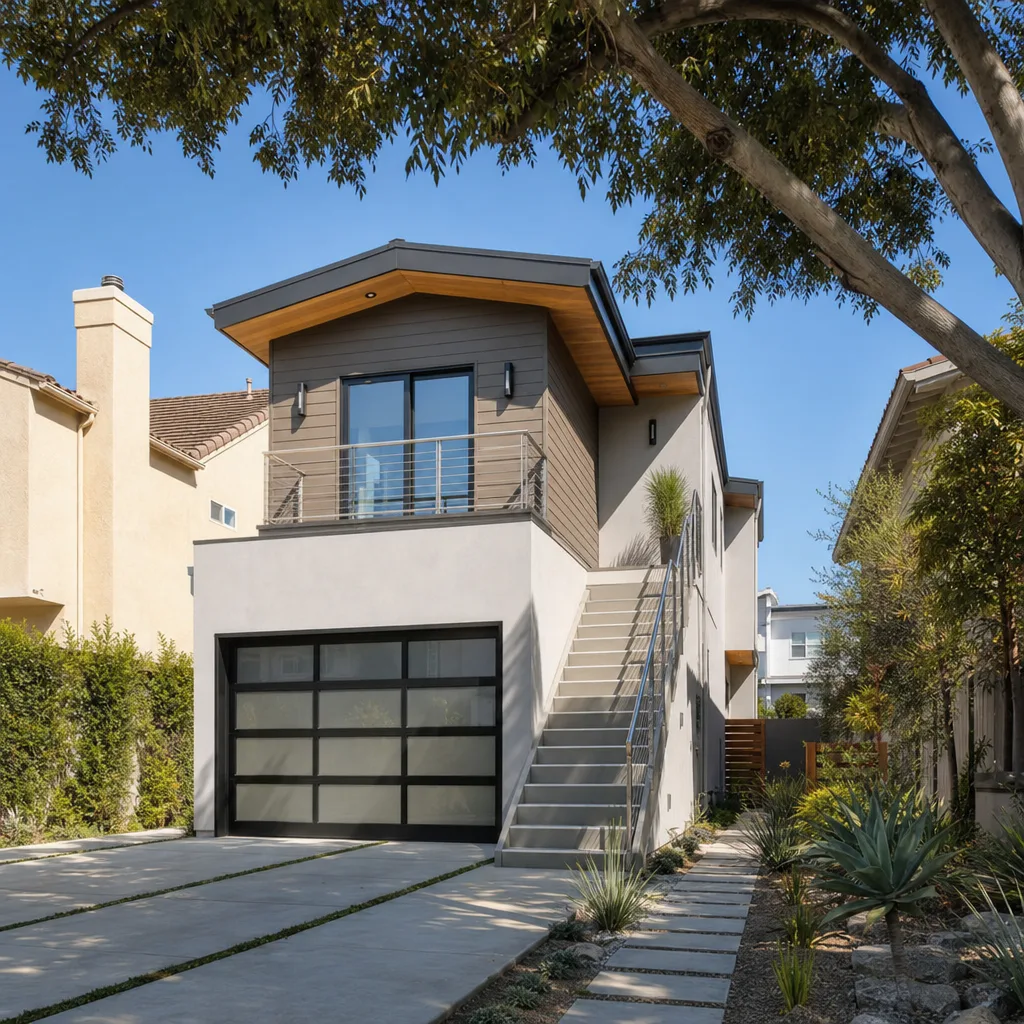
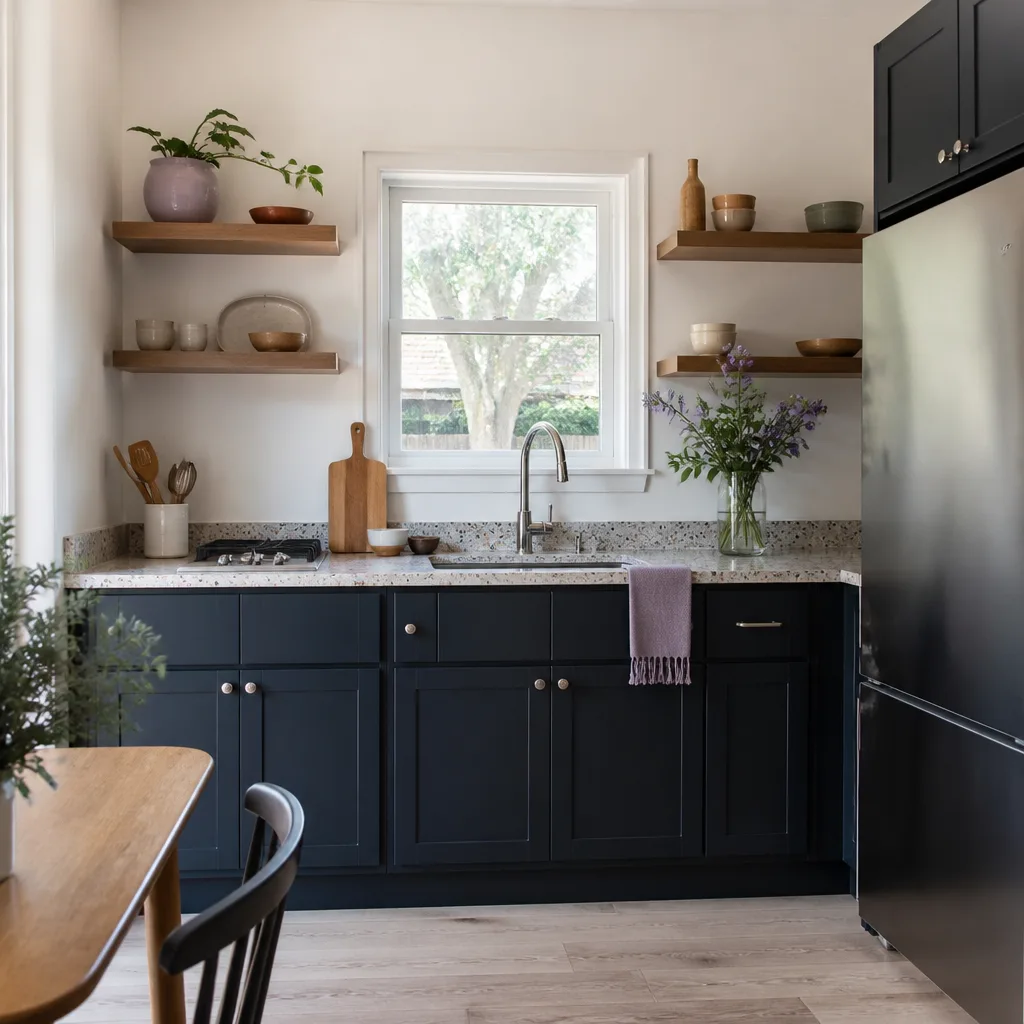
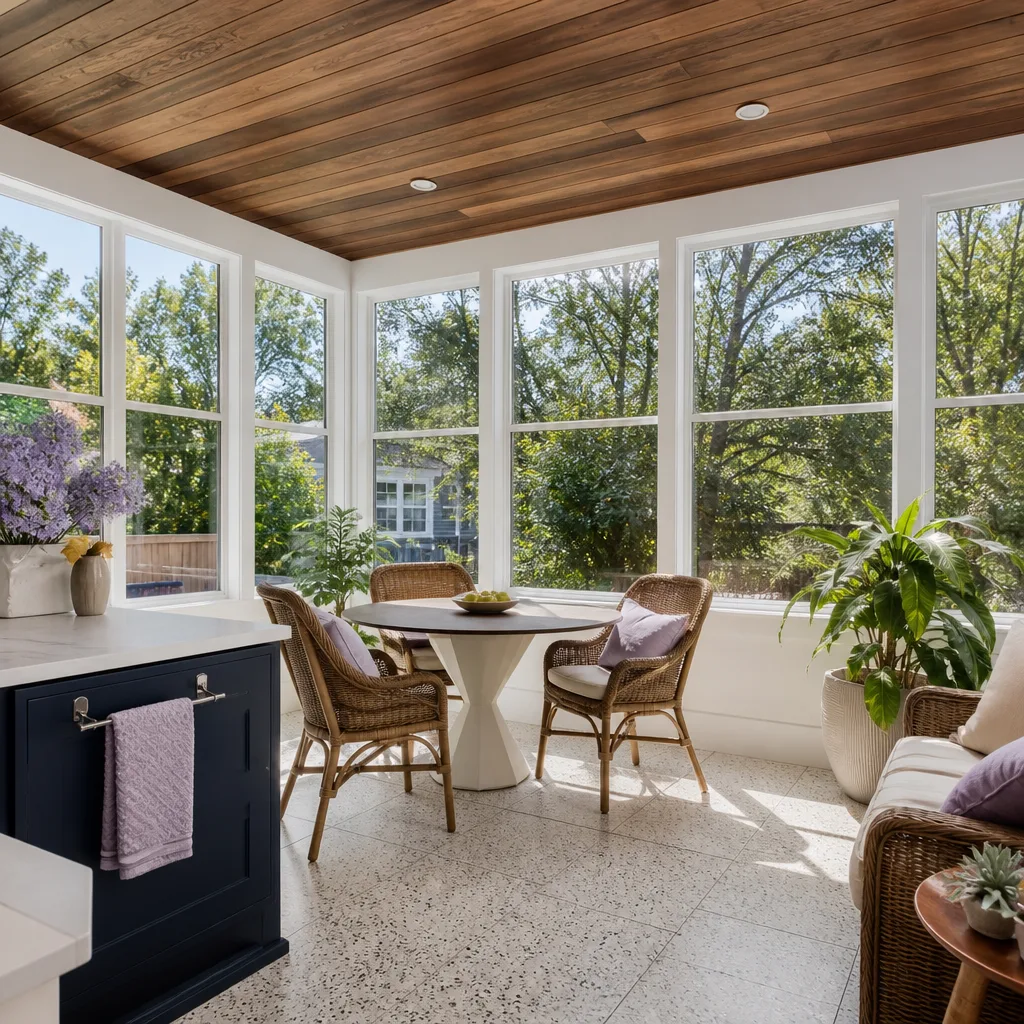
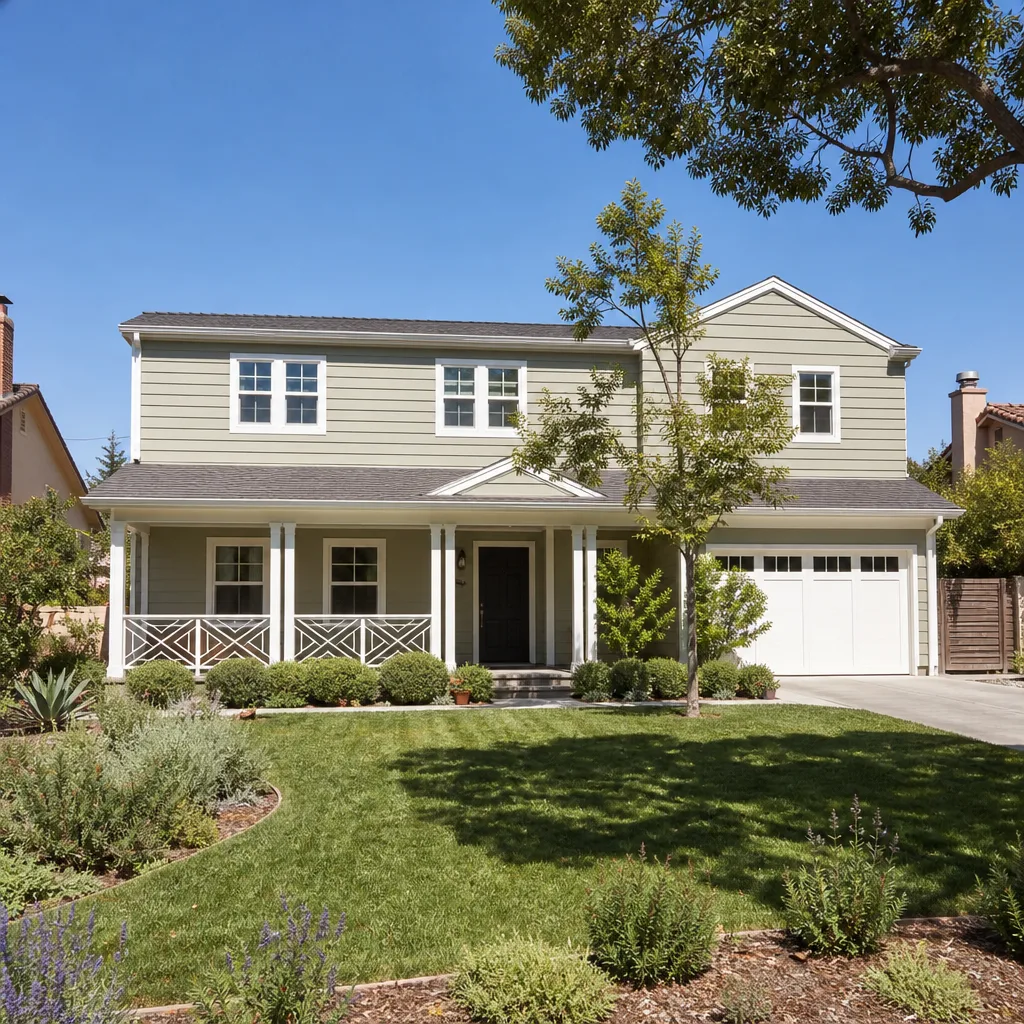
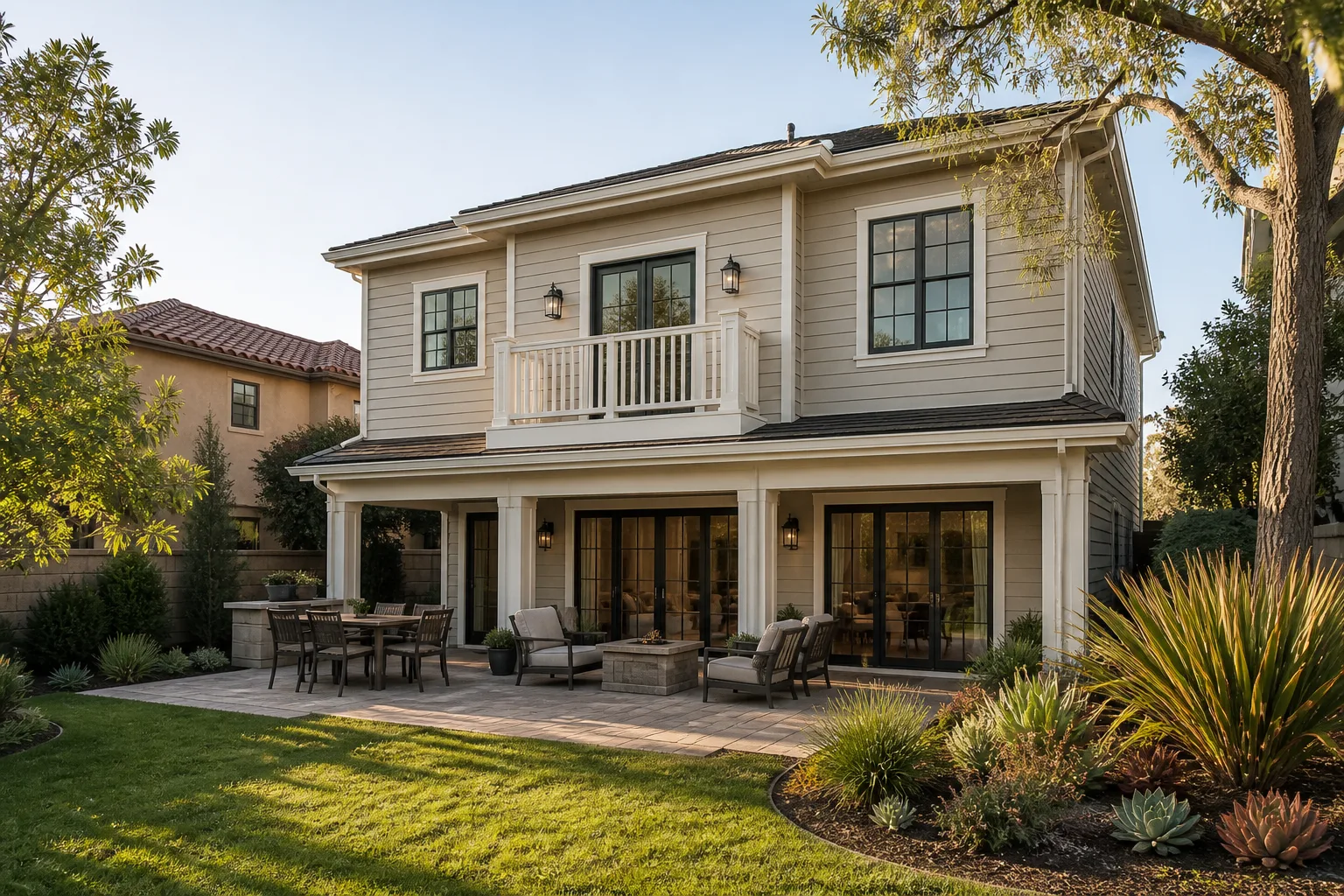
A free site visit, a check of what your lot allows and a written, line-item price.
Get your free estimateHow Much Does ADU Cost in Long Beach?
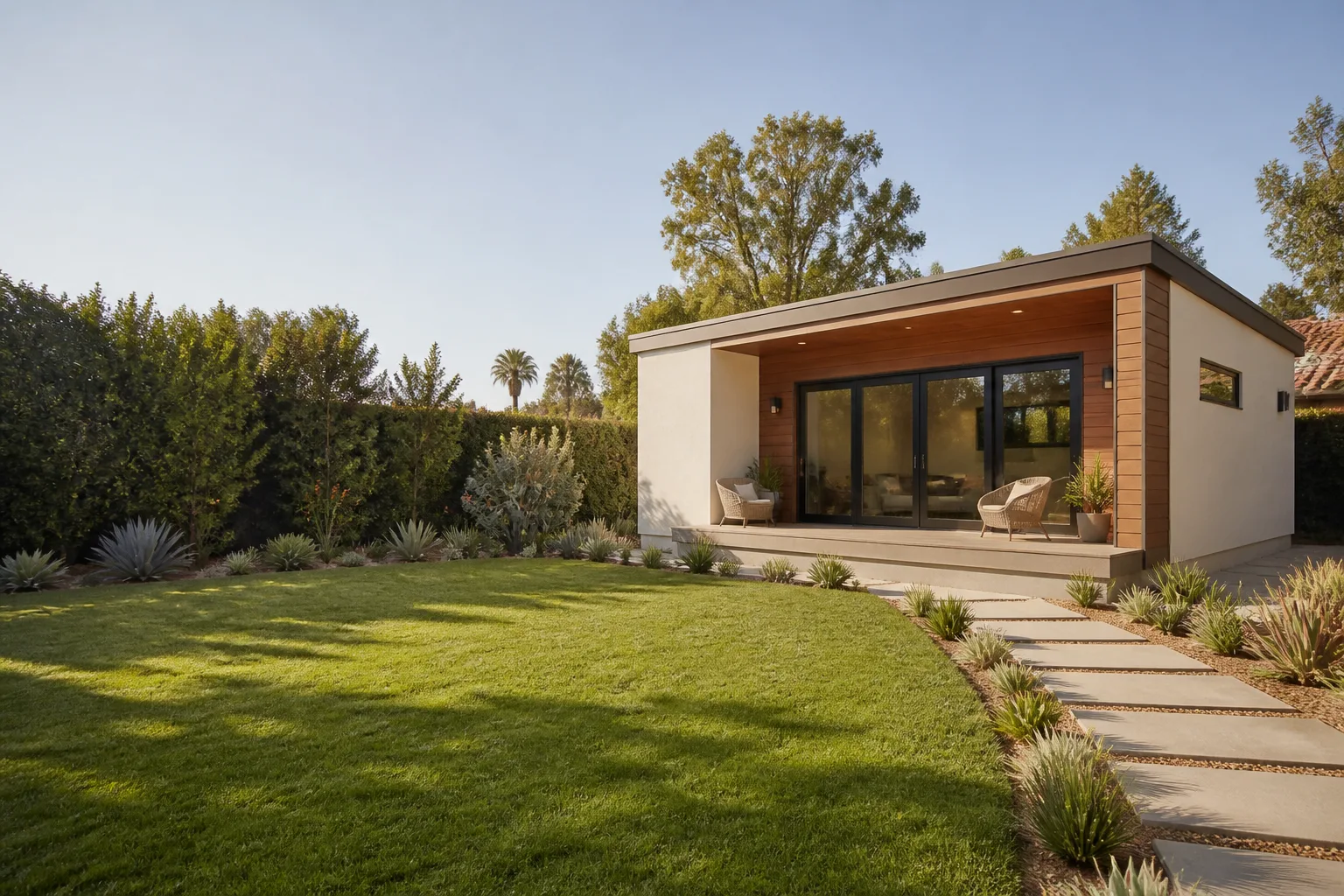
An accessory dwelling unit (ADU) in Long Beach typically costs between $180,000 and $420,000 for a full build, with most homeowners landing near $280,000 for a 600 to 800 square foot detached unit. Prefab options can come in lower, often between $150,000 and $250,000 installed, depending on the brand and site. Garage conversions are the cheapest way in, usually $95,000 to $180,000, because the foundation and some walls already exist.
Those numbers include design, permits, site work, and construction. They don’t include fancy finishes or a pool. If you want a real number for your specific lot, we give you a written price before any work starts – that’s part of how we run every job.
Key Takeaways
- Most Long Beach ADUs land between $280,000 and $320,000 all-in for a detached 600 to 800 sq ft unit.
- Garage conversions run $95,000 to $180,000 and are the fastest path to a rentable unit.
- Prefab units from Abodu, Cover, Dvele, Boxabl, and Plant Prefab can trim 15% to 25% off site-built labor costs.
- Long Beach’s coastal humidity and older housing stock add costs most inland cities don’t see.
- We put your price in writing before demo day – no verbal estimates that shift later.
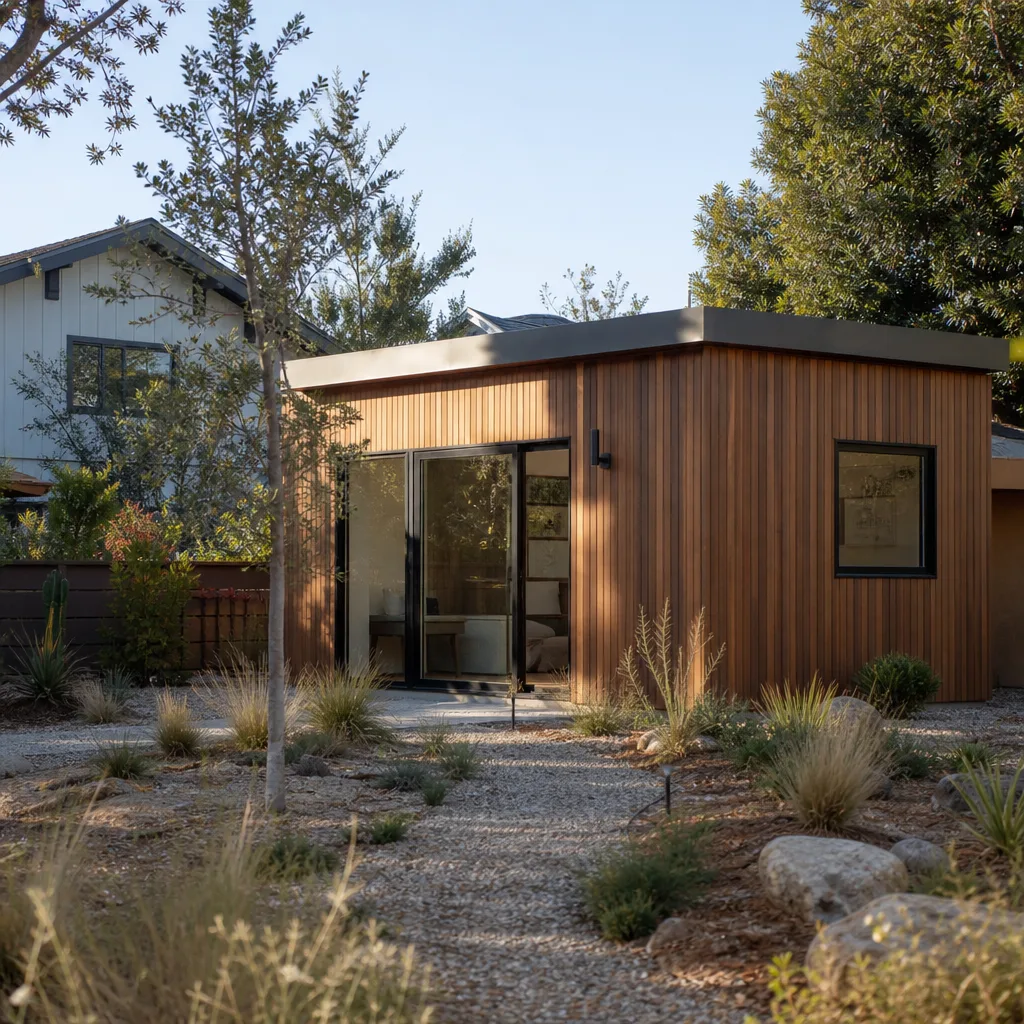
ADU Cost Breakdown (2026)
Here’s what the money actually goes toward. These ranges reflect the Long Beach market as of 2026, including labor, materials, and typical permit fees for a standard lot.
| Line Item | Typical Range | What It Covers |
|---|---|---|
| Design & engineering | $8,000 – $22,000 | Architectural drawings, structural calcs, Title 24 energy report |
| Permits & impact fees | $6,000 – $18,000 | City of Long Beach plan check, school fees, utility connections |
| Site prep & foundation | $18,000 – $45,000 | Grading, slab or pier foundation, drainage correction |
| Shell construction (site-built) | $120,000 – $220,000 | Framing, roofing, windows, exterior siding |
| Prefab unit + install | $150,000 – $250,000 | Factory-built unit, delivery, crane set, utility hookups |
| MEP (mechanical, electrical, plumbing) | $25,000 – $55,000 | HVAC, wiring, panel upgrades, water and sewer tie-ins |
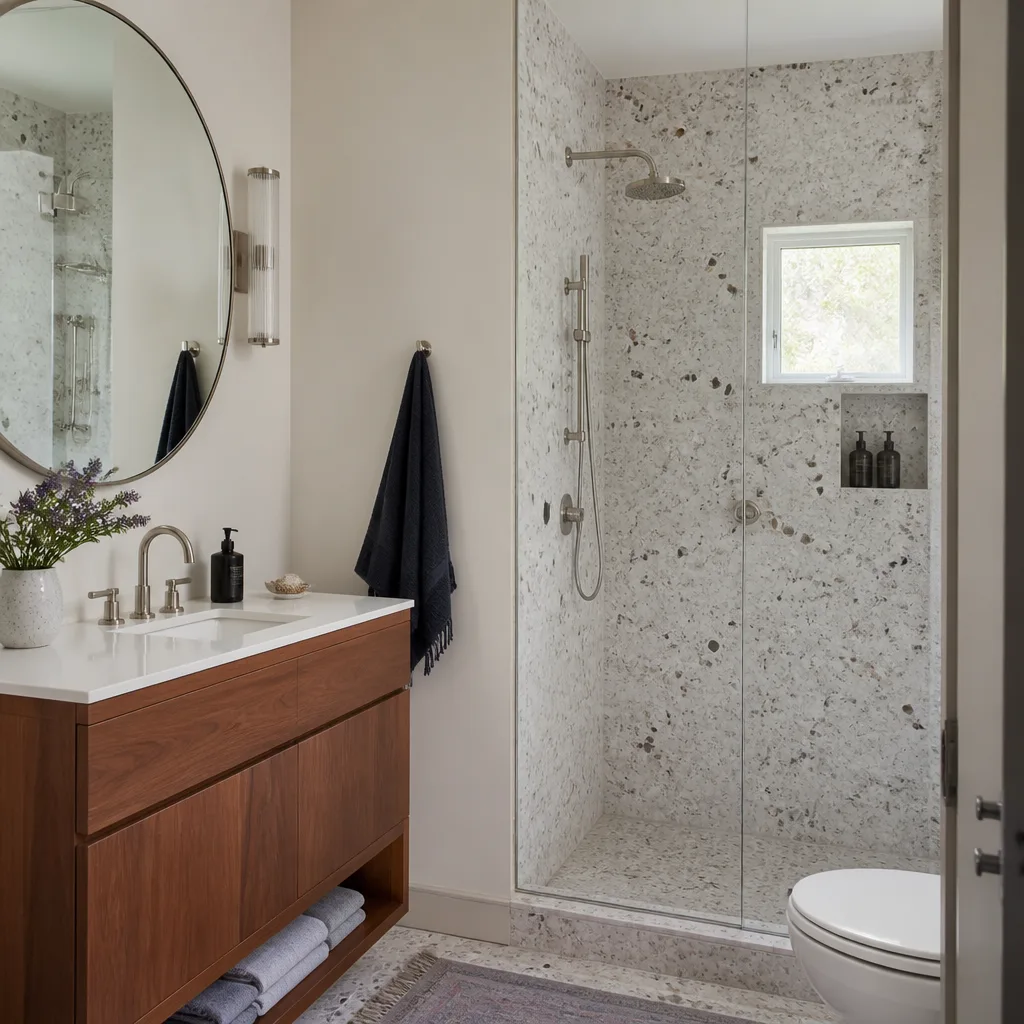
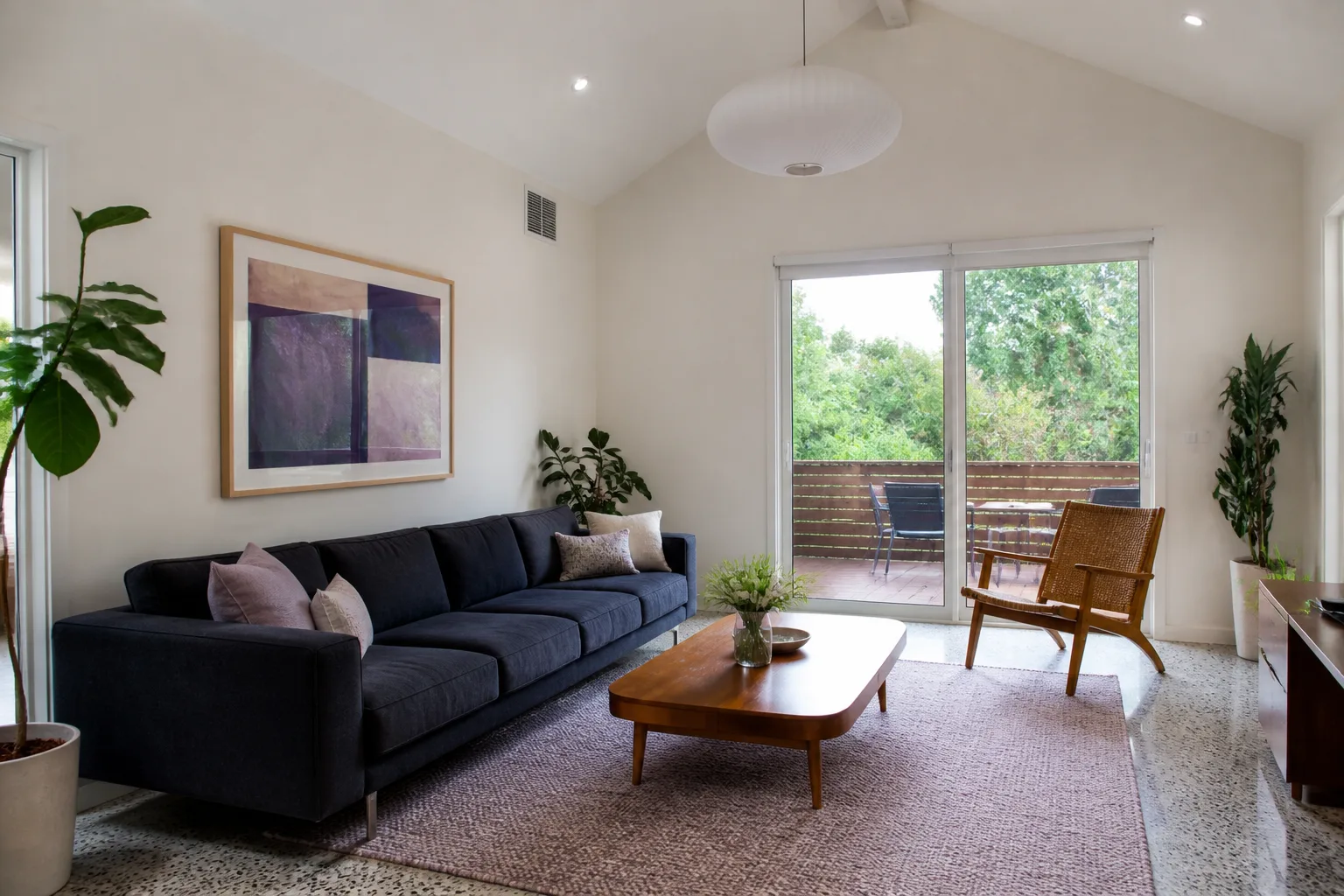
| Interior finishes | $30,000 – $70,000 | Drywall, flooring, cabinets, counters, fixtures |
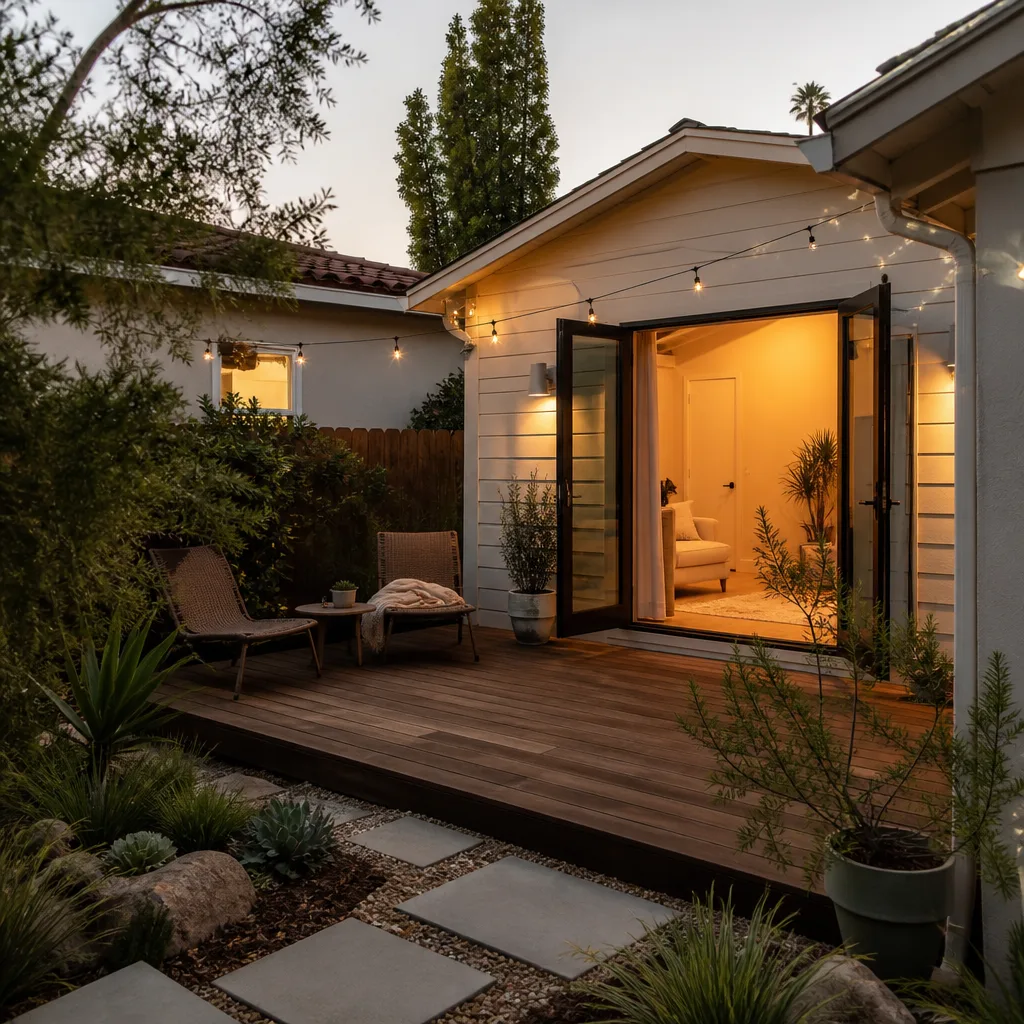
| Landscaping & hardscape | $6,000 – $20,000 | Pathways, fencing, drought-tolerant planting |
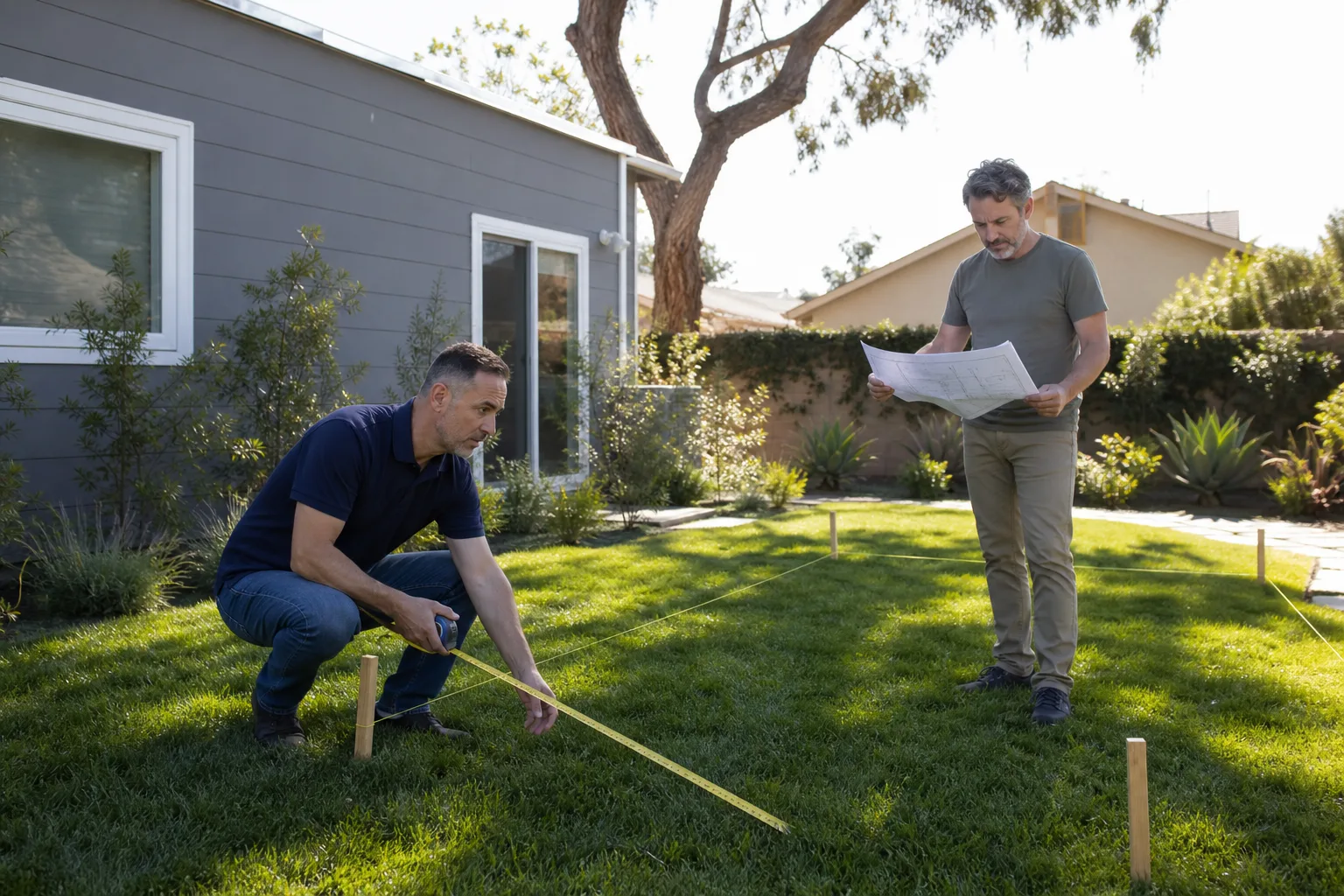
Two things move the total more than anything else: whether the unit is attached or detached, and how much site work your lot needs. A flat, accessible backyard in a neighborhood like Bixby Knolls is a friendlier build than a sloped lot up in the hills near Signal Hill, where retaining walls and extra grading can add $15,000 to $35,000 before you pour a single yard of concrete.
Prefab changes the math too. When we set an Abodu or Dvele unit, the factory does the framing, wiring, and most finishes indoors, so on-site labor drops. You’re still paying for the foundation, the crane, and the utility connections – those exist no matter what. If you want to understand how our broader approach to additions works, our home page walks through the process from first call to final walkthrough.
What Affects ADU Pricing in Long Beach
Long Beach isn’t Los Angeles and it isn’t Orange County. The city has its own fee schedule, its own coastal quirks, and a housing stock that ranges from 1920s bungalows to brand-new builds. Here’s what actually drives your number up or down.
- Attached vs. detached. A detached unit needs its own foundation, roof, and utility trench. An attached unit or a garage conversion shares walls with the main house and can save $40,000 to $90,000.
- Coastal humidity and salt air. Blocks near the water – Belmont Shore, Naples, the Peninsula – need corrosion-resistant fasteners, marine-grade exterior hardware, and better waterproofing. That can add $4,000 to $12,000, but it’s the difference between a unit that lasts and one that rusts out in a decade.
- Foundation type. Long Beach has pockets of expansive clay soil, especially inland toward the 405. A standard slab might not cut it. Pier-and-beam foundations can add $8,000 to $20,000 but handle soil movement far better.
- Utility upgrades. Older homes in neighborhoods like Rose Park often have 100-amp panels. Adding an ADU usually means upgrading to 200 amps and running new sewer laterals. Budget $10,000 to $28,000 for this alone.
- Setbacks and lot coverage. Long Beach limits how much of your lot can be covered and how close you can build to property lines. A tight lot might force a smaller unit or a two-story design, which changes cost per square foot.
- Parking and access. If your only backyard access is a narrow side yard, we may need a crane or a smaller prefab module. Crane days run $3,000 to $8,000 and can push a prefab build above a site-built one.
One more factor that surprises people: Long Beach sits in a high seismic zone. Every ADU here needs engineered shear walls and hold-downs. That’s not optional, and it’s baked into the numbers above. A builder who skips it isn’t saving you money – they’re handing you a problem.
Prefab vs. Site-Built ADUs in Long Beach
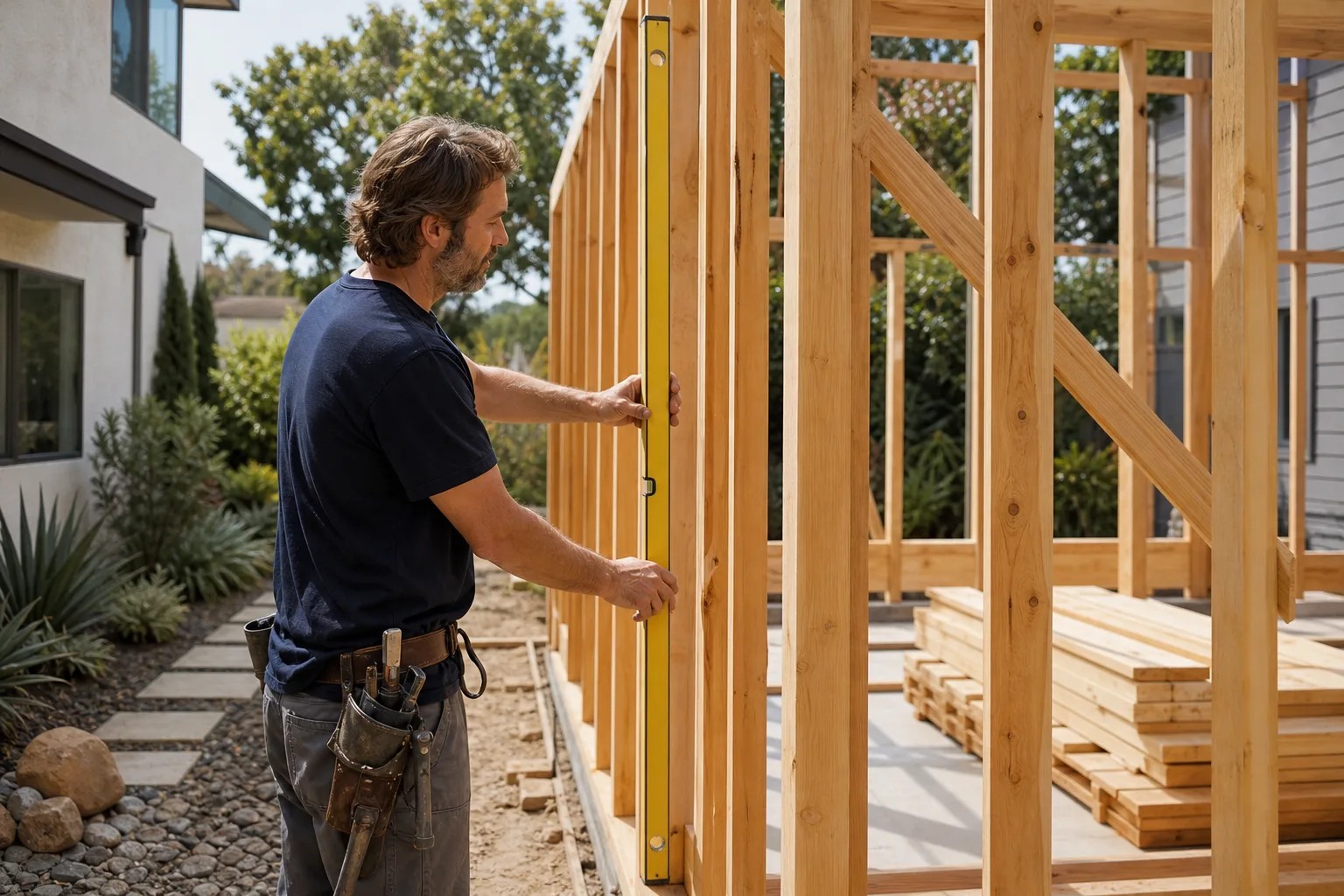
This is the biggest fork in the road, and it’s worth understanding before you call anyone. Site-built means a crew frames, wires, and finishes your unit in your backyard over several months. Prefab means most of the unit is built in a factory, trucked in, and set on your foundation in a day or two. Then we finish the connections.
Where Prefab Wins
- Speed. Factory construction runs parallel to your site work, so a prefab unit can be occupied months sooner than a comparable site-built one. For rental income, that’s real money.
- Predictable cost. The factory price is locked before delivery. Fewer weather delays, fewer surprise material swings.
- Verified brands. We’re authorized to build with Abodu, Cover, Dvele, Mighty Buildings, Boxabl, Plant Prefab, and Tuff Shed. Each has a different sweet spot – Boxabl for compact efficiency, Dvele for high-performance envelopes, Abodu for design-forward backyard units. You get real options instead of one take-it-or-leave-it product.
Where Site-Built Wins
- Custom layouts. If your lot is odd-shaped or you want a specific floor plan, site-built gives you full control.
- Tight access. We can frame a unit in pieces when a crane can’t reach the backyard. Prefab modules can’t always make the turn.
- Matching the main house. If you want the ADU to look like a smaller version of your 1930s Spanish bungalow, site-built with James Hardie cladding gets you there.
Most Long Beach homeowners we work with end up choosing prefab when access allows and site-built when it doesn’t. We’ll tell you which one makes sense for your lot before you commit to anything.
How to Save on Your Long Beach ADU
There’s real money to be found here. None of these tips require cutting corners – they just require planning before the first shovel turns.
- Convert the garage instead of building new. This is the single biggest saver. You already own the foundation, the walls, and the roof. Typical garage conversions in Long Beach run $95,000 to $180,000 versus $280,000+ for a detached unit.
- Go with a standard prefab footprint. Brands like Boxabl and Cover build in fixed sizes. Choosing a stock model over a custom design can save $20,000 to $40,000 in design and engineering alone.
- Bundle your utility work. If your main panel is due for an upgrade anyway, do it with the ADU build. One trench, one permit, one inspection.
- Keep the unit simple. Every extra bathroom, walk-in closet, or vaulted ceiling adds cost. A clean 500 to 600 square foot unit with one bed and one bath rents just as well in Long Beach as a 900 square foot unit with extras.
- Skip the fancy finishes for now. Luxury vinyl plank floors and builder-grade cabinets perform well and cost a fraction of hardwood and custom millwork. You can upgrade later. The structure is what’s expensive to change.
Every project we take on starts with a written price before work begins. No verbal estimates that shift at the door, no scope creep billed after the fact. For a free estimate on your Long Beach ADU, call (903) 568-7222 – a live person answers, day or night.
FAQs – ADU Cost in Long Beach
How much does a detached ADU cost in Long Beach in 2026?
A detached ADU in Long Beach typically costs between $280,000 and $320,000 all-in for a 600 to 800 square foot unit, including design, permits, site work, and construction. Larger units above 1,000 square feet can push past $420,000. Call (903) 568-7222 for an exact quote – estimates are free.
Can I build an ADU in Long Beach for under $150,000?
Yes, if you convert an existing garage or build a small attached unit. Garage conversions in Long Beach run $95,000 to $180,000, and compact prefab units like a Boxabl can land under $150,000 installed if your lot has good access and existing utilities. Call (903) 568-7222 and we’ll tell you what’s realistic for your property.
Is it cheaper to build an ADU or buy a house in Long Beach?
Building is almost always cheaper on a per-square-foot basis. Long Beach home prices run well above $700 per square foot in many neighborhoods, while an ADU build typically lands between $350 and $500 per square foot all-in. You also get to control the design and keep your existing lot. Call (903) 568-7222 to run the numbers for your situation.
How much does a prefab ADU cost in Long Beach?
Prefab ADUs in Long Beach typically run $150,000 to $250,000 installed, depending on brand and site conditions. That covers the unit, delivery, crane set, and utility hookups – but not always the foundation or landscaping. Brands like Abodu, Dvele, Cover, and Mighty Buildings each price differently. Call (903) 568-7222 and we’ll walk you through which one fits your lot and budget.
What hidden costs should I expect on a Long Beach ADU?
The most common surprises are electrical panel upgrades ($4,000 to $12,000), sewer lateral replacement ($6,000 to $15,000), and soil remediation on lots with expansive clay ($5,000 to $20,000). These aren’t universal – a newer home near Downtown may need none of them. The way to avoid surprises is a written price before work starts, which is standard on every project we run. Call (903) 568-7222 for a free estimate.
Does Long Beach have ADU grants or fee waivers?
Long Beach has periodically offered incentive programs and reduced-fee pathways for ADU permits, but the terms change year to year and depend on your project type. We can point you toward the current programs during your estimate. What doesn’t change: we put your final price in writing before we start, guaranteed. Call (903) 568-7222 to talk through your options.
Why Homeowners in Long Beach Choose Benson ADU Builders
We’re part of the Relay Home Co. family, founded in 2006, and every project is governed by The Relay Visibility Guarantee. That means a written price before any work starts, real-time tracking so you know exactly when your crew arrives, and a 365-Day Done Right Promise – if something isn’t right within a full year, we come back and make it right. Every technician is background-checked and shows up in uniform. And when you call, a live person answers. No voicemail loops, no waiting until Monday.
We build with the brands you can research yourself: Abodu, Cover, Dvele, Mighty Buildings, Boxabl, Plant Prefab, and Tuff Shed, plus James Hardie cladding. You get curated options, not a single take-it-or-leave-it product.
Get Your Free Long Beach ADU Estimate
You don’t have to guess what your ADU will cost. Call (903) 568-7222 and we’ll walk through your lot, your goals, and your budget – then hand you a written price before anything starts. Whether you’re eyeing a garage conversion in Rose Park or a prefab Dvele unit in Bixby Knolls, we’ll give you straight numbers and a plan you can hold us to. A live person is on the phone around the clock, every day of the year. Free estimates, upfront pricing, and a written guarantee on every project.
Written by Troy Eastman, Owner at Benson ADU Builders.
Pricing reflects the Long Beach market as of 2026. Benson ADU Builders offers free estimates – call (903) 568-7222.
What Our Customers Say
"Booked a consult online and met the project manager two days later. Weekly progress updates arrived by text with photos. ADU finished on schedule."
- Hannah W."Clean, quiet crew. They respected the neighbors, kept noise to working hours, and swept the driveway every evening."
- Hope C."Communication was the best part. I always knew what was happening that week without having to ask."
- Dolly N.