
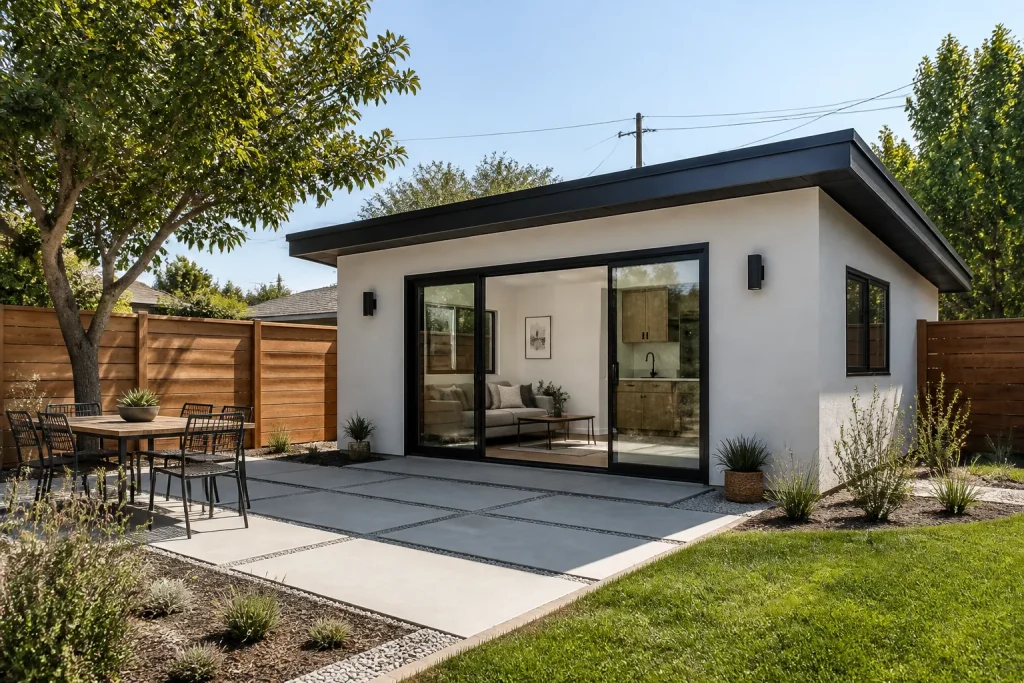
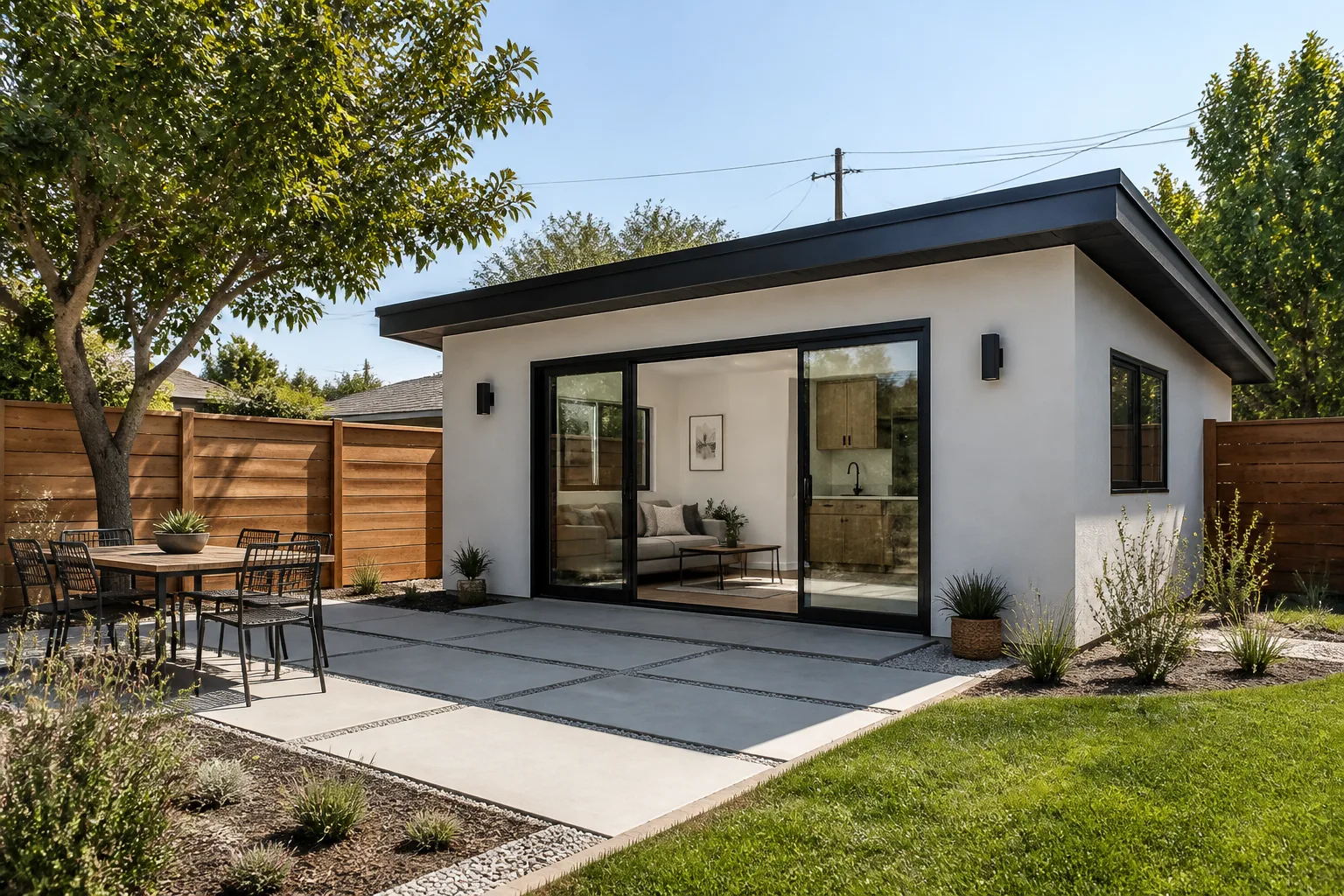
Cover ADU Builders in Los Angeles: A Homeowner’s Guide
Cover builds architect-designed, robotically fabricated ADUs with a level of precision most site-built contractors in Los Angeles can’t match. But here’s what surprises most homeowners: Cover doesn’t publish a price list, and every unit is custom-designed to your specific lot. In Los Angeles, a finished Cover ADU typically lands between $350,000 and $500,000 all-in, and the process from first design meeting to move-in usually takes 12 to 18 months. If you’d rather skip the research and get a written price for your specific backyard, call (903) 225-2278 and we’ll walk you through it.
What Makes Cover Different From Other Prefab ADUs in Los Angeles
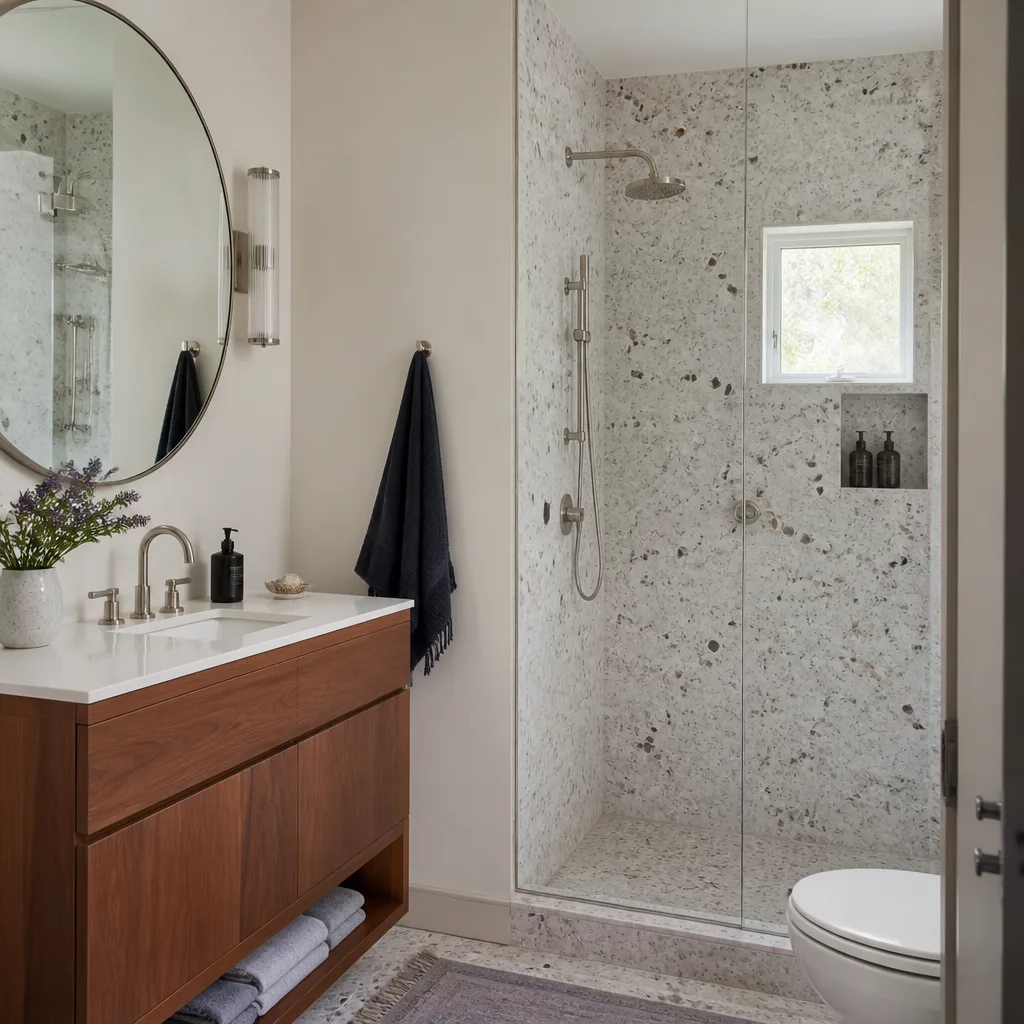
Most prefab ADU brands use a catalog model. You pick from three or four floor plans, the factory builds them thousands at a time, and the design gets adapted (sometimes awkwardly) to your Los Angeles lot. Abodu and Dvele operate this way to varying degrees, and it’s why they can move fast and price predictably.
Cover doesn’t do that. Every unit starts with your specific site: the setbacks, the sunlight, the slope, the neighbor’s second-story window that looks right into where your kitchen would be. The design happens first, then the factory fabricates steel-framed panels engineered for that exact design. We’ve watched homeowners compare a Cover quote against an Abodu quote and get confused because they’re not actually comparing the same thing. Abodu gives you a semi-custom product with a fast timeline. Cover gives you a fully custom architectural response to your property, and that takes longer.
For Los Angeles homeowners who care about how the building sits on the land, how light moves through it, and whether it looks like it was always there, Cover’s design-first model is compelling. For homeowners who want a rental unit generating income as fast as the city will allow, the timeline is the trade-off.
How the Cover Design Process Actually Works
You don’t order a Cover ADU the way you order a Boxabl. You commission it. The process in Los Angeles generally works like this:
- 1
Initial consultation. Cover’s design team reviews your property, your goals, and your budget range. This is the “is this even feasible?” conversation.
- 2
Site analysis. They evaluate setbacks, grade, access, and Los Angeles zoning constraints. A sloped lot in Silver Lake gets a very different design response than a flat pad in the Valley.
- 3
Design development. Expect multiple design meetings, often two to four, where you review floor plans, window placement, exterior finishes, and interior layouts. Each round refines the design.
- 4
Design approval sign-off. This is the milestone that matters. Once you approve the design package, it locks. Changes after this point get expensive.
- 5
Fabrication. The approved design goes to Cover’s factory, where steel-framed wall and roof panels are precision-cut and assembled. Fabrication lead times vary by factory capacity and design complexity.
- 6
Site prep and installation. While panels are being made, your Los Angeles site gets foundations, utilities, and grading handled. Panels arrive on trucks and get craned or assembled into place.
- 7
Finish work. Interior finishes, MEP connections, and exterior cladding happen on-site. This phase takes longer than most homeowners expect.
The total timeline from first call to occupancy in Los Angeles is realistically 12 to 18 months. Some of that is design. Some is fabrication backlog. Some is Los Angeles Department of Building and Safety plan check, which no builder controls.
What a Cover ADU Costs in Los Angeles
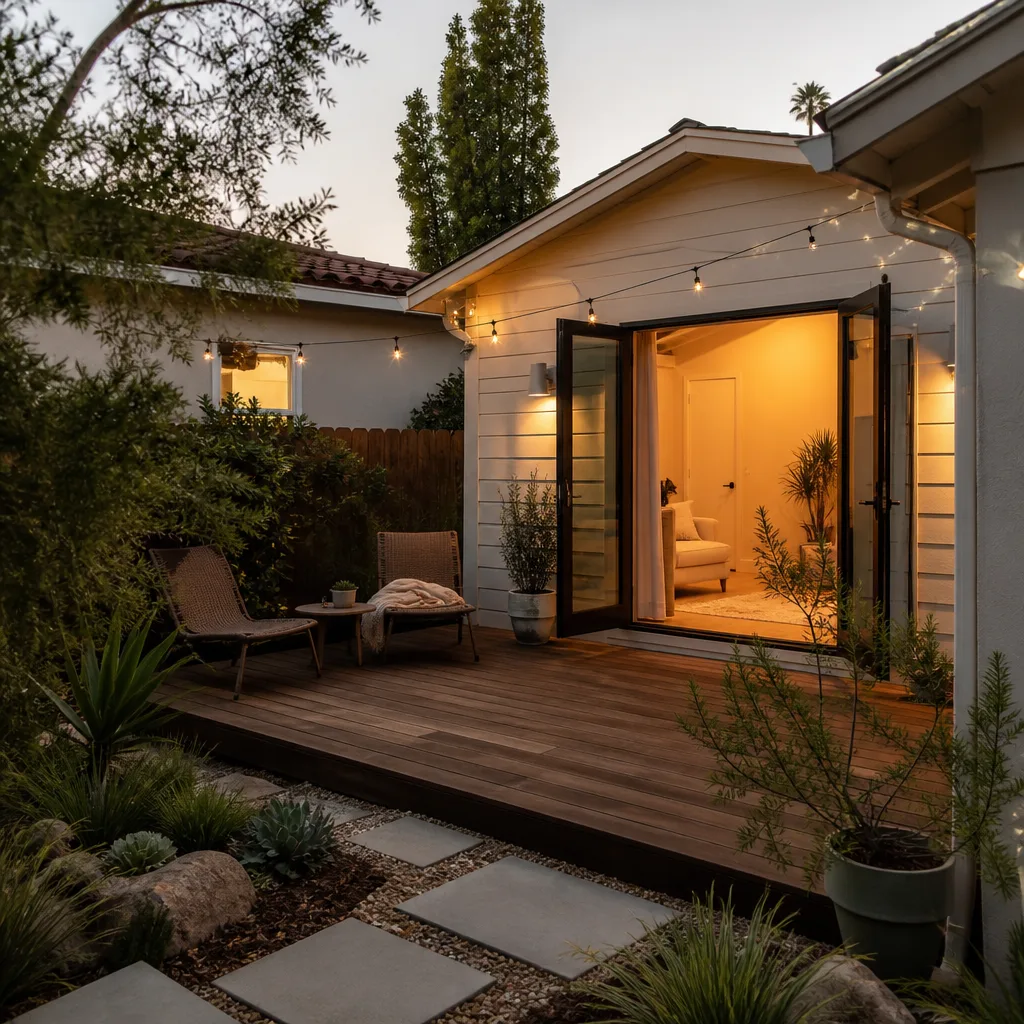
Cover doesn’t publish pricing because every project is custom, but reported project data from Los Angeles and California markets puts most finished Cover units between $350,000 and $500,000 installed. Here’s what drives the number:
- Unit size. Cover builds studios plus one- and two-bedroom configurations. Square footage is the single biggest cost driver. A 400-square-foot studio lands lower; an 800-square-foot two-bedroom pushes toward the top of the range.
- Site conditions. Flat lots with easy access cost less. Sloped lots, poor soil, constrained access for crane placement, or a backyard with a 40-foot eucalyptus tree in the way all add cost. We pulled a site-built ADU out of a hillside over in Echo Park last year where the foundation alone cost more than an entire prefab studio would have on flat ground.
- Foundation type. A thickened slab is standard. Pier foundations or retaining walls push the number up fast.
- Utility runs. In Los Angeles, if your sewer lateral is on the opposite side of the house and you need a new line trenched 80 feet through your backyard, that’s real money before a single panel arrives.
- Finish level. Cover’s base finishes are good. Upgrading kitchens, tile, and fixtures moves the needle.
For comparison, a site-built ADU in Los Angeles typically runs $250,000 to $400,000. Abodu’s semi-custom units often land between $200,000 and $300,000 installed. Dvele’s high-performance units run comparably to Cover. Cover sits at the design-forward end of the spectrum, and you pay for that.
Site Conditions Where Cover’s Model Excels
Cover’s design-first approach shines in situations a catalog model can’t handle well. Based on projects across Los Angeles, here’s where Cover makes the most sense:
- Larger backyards. If you have a 5,000-square-foot lot in Mid-City with room to think about orientation and views, Cover can design something that uses the site well. In a tight 3,500-square-foot Sherman Oaks lot, you’re probably better served by a more standardized footprint.
- Flat or gently sloped lots. Gentle grades are workable. Serious slopes in places like Mount Washington or Baldwin Hills add foundation complexity that erodes the prefab advantage.
- Design-sensitive neighborhoods. If you’re in a historic district or an HOA with architectural review, Cover’s design rigor can get you through approvals that a standard prefab plan might struggle with.
- Homeowners with a longer runway. If you don’t need rental income for 18 months, the design timeline is tolerable. If you’re trying to house an aging parent by spring, it’s not the right model.
When to call a pro: if any of the site conditions above sound like your Los Angeles lot, the fastest way to know whether Cover is realistic is to have someone who builds these every day look at the property. We evaluate sites against Cover, Abodu, Dvele, and site-built options so you’re not paying for an architectural process that won’t pencil out on your specific dirt. Related services in Los Angeles: our ADU Builders in Los Angeles page covers how we compare prefab brands side by side.
What Your Contract With a Cover-Authorized Builder Should Nail Down
Cover doesn’t install. They design and fabricate. Installation is handled by Cover-authorized builders and installers, which means the contract structure matters more than a typical ADU project. Here’s what needs to be explicit before you sign anything in Los Angeles:
- Design approval sign-off milestones. Your contract should state exactly how many design revision rounds are included and what happens (cost, timeline) if you request changes after approval. Verbal agreements here cause real disputes.
- Fabrication lead times. Cover’s factory schedule determines when panels ship. Get the anticipated fabrication window in writing, and understand what happens to your schedule if it shifts.
- Site-prep scope. Foundations, utility trenching, grading, and access work are typically performed by the installer, not by Cover. Get a written line-item breakdown of all site work that is included and excluded.
- Warranty split. Cover warranties the product (the panel system, structural integrity). The installer warranties the labor (foundation, connections, finish work). Your contract should spell out who you call for each type of issue, and for how long. At Benson ADU Builders, every project we install carries our Done Right Promise: if the work isn’t right within a full year, we make it right. That’s our own written guarantee, separate from any manufacturer warranty.
- Change order process. Written price before work starts is the standard at our jobsites across Los Angeles. Your contract should require written approval for any cost change before the work happens, not after.
Cover vs. Abodu vs. Dvele: How to Compare Them Honestly
These three brands get lumped together because they’re all prefab, but they serve different needs. Here’s the straight comparison for Los Angeles homeowners:
Abodu moves fastest. Semi-custom floor plans, a process optimized for quick permitting and installation, and pricing that is more predictable because the product is more standardized. If your goal is rental income in the shortest defensible timeline, Abodu is often the best fit. Abodu units in Los Angeles typically run $200,000 to $300,000 installed.
Dvele focuses on high-performance building: super-insulated envelopes, air quality, energy independence. Dvele units cost more than Abodu, and the health and efficiency benefits matter most to homeowners planning to live in the unit themselves long-term rather than rent it out.
Cover is the architectural play. You get a building designed for your specific site, fabricated with precision that reduces on-site construction errors. You also accept a longer design process, less pricing transparency up front, and a heavier coordination burden between the fabricator and the installer.
There is no best brand. There is the brand that best fits your Los Angeles lot, your budget, and your occupancy timeline. We build with Abodu, Cover, Dvele, Mighty Buildings, Boxabl, Plant Prefab, and Tuff Shed, plus James Hardie cladding, specifically because no single product fits every backyard. Homeowners should be able to research each brand independently and make an informed call.
The Bottom Line
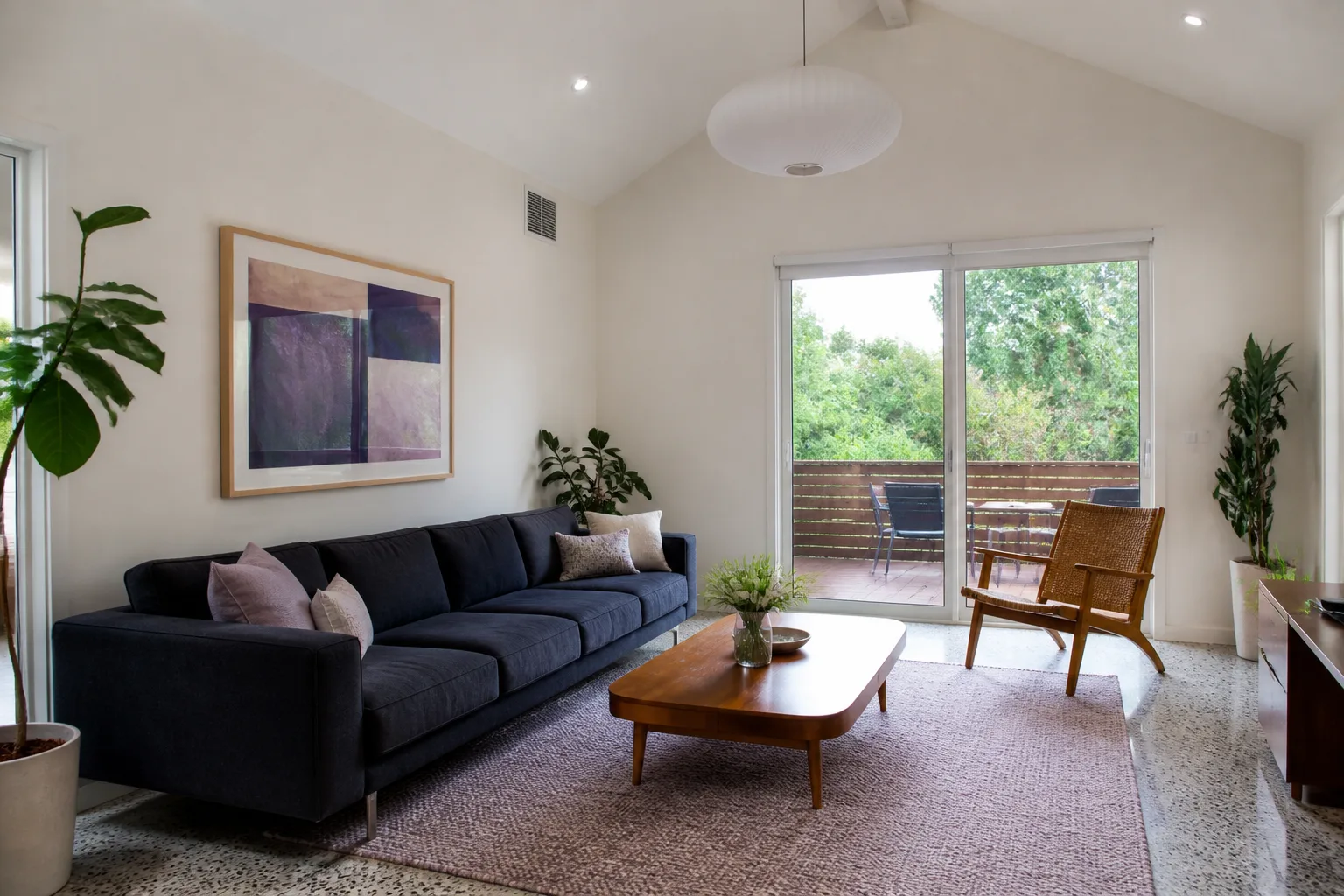
Cover makes one of the most design-forward ADU products in Los Angeles, and the right homeowner with the right lot and the right timeline will be thrilled with the outcome. That homeowner is typically someone with a larger backyard, a gentler grade, an appreciation for architectural rigor, and the patience to sit through a four-to-six-month design process before panels even hit the factory line. If you’re that person, Cover is worth the premium. If you need income or a family unit faster, Abodu, Dvele, or a well-run site-built project may serve you better.
If you’re in Los Angeles and want an honest read on whether Cover fits your site and budget, Benson ADU Builders offers free estimates. We’ll walk your lot, talk through brand options, and put a written price in front of you before anything gets built. Call (903) 225-2278 to schedule yours. We’re also happy to talk through your home addition or room addition options if an ADU isn’t the only thing on your mind.
Frequently Asked Questions
A finished Cover ADU in Los Angeles typically costs between $350,000 and $500,000 installed, depending on unit size, site conditions, foundation type, and finish level. That compares to roughly $250,000 to $400,000 for a site-built ADU and $200,000 to $300,000 for an Abodu unit in the same market. Call (903) 225-2278 for an exact quote on your lot, estimates are free.
Expect 12 to 18 months from first design meeting to move-in for a Cover ADU in Los Angeles. The design phase alone often runs four to six months before fabrication begins, and Los Angeles plan check adds time no builder can control. If that timeline doesn’t work, a catalog-model prefab or a well-managed site build may be faster.
Cover builds a genuinely design-forward, precision-fabricated ADU product. The steel-framed panel system is engineered well, and the design-first approach produces buildings that feel like they belong on the property. The trade-off is a longer design process and less pricing transparency than catalog-model brands. It’s a good brand, not a universal best fit.
No. Cover designs and fabricates the unit, while an authorized builder or installer handles site work, foundations, utilities, and finish installation. Your contract should clearly separate what Cover warranties (the product) from what the installer warranties (the labor), and it should be in writing.
Written by the team at Benson ADU Builders.
Need ADU Help?
Call Benson ADU Builders - licensed & insured, here with fast after-hours help in Los Angeles.
(903) 225-2278