James Hardie Site Prep & Utilities: The Los Angeles Owner’s Guide
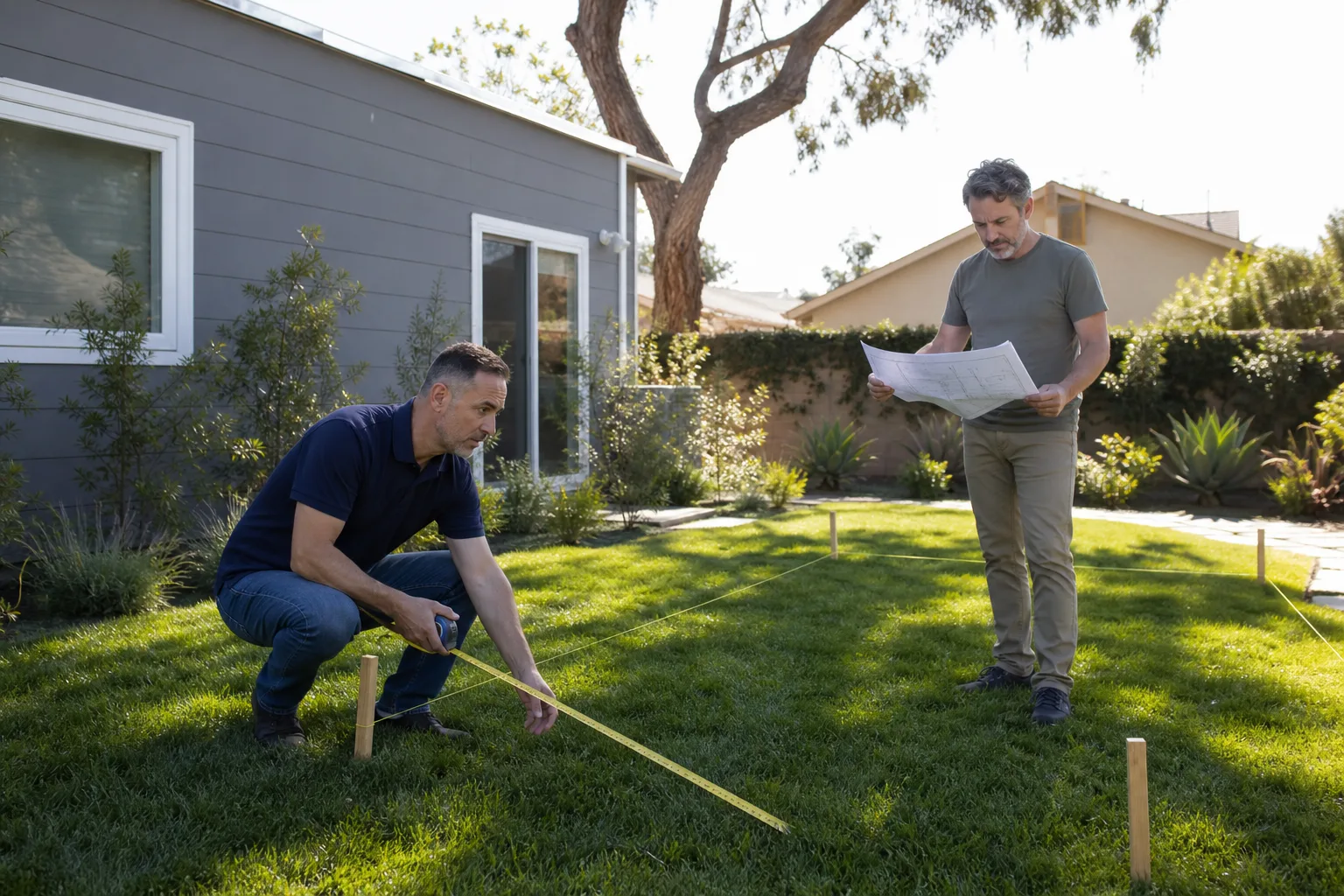
Site prep and utilities work ahead of James Hardie siding or trim installation in Los Angeles typically runs $2,500 – $6,800 for the prep phase, depending on lot condition, existing utility locations, and whether trenching or grading is required. Benson ADU Builders is a James Hardie-compatible contractor, independently owned and operated, handling everything from pad leveling and drainage correction to gas, water, and electrical service positioning before your Hardie cladding ever goes up.
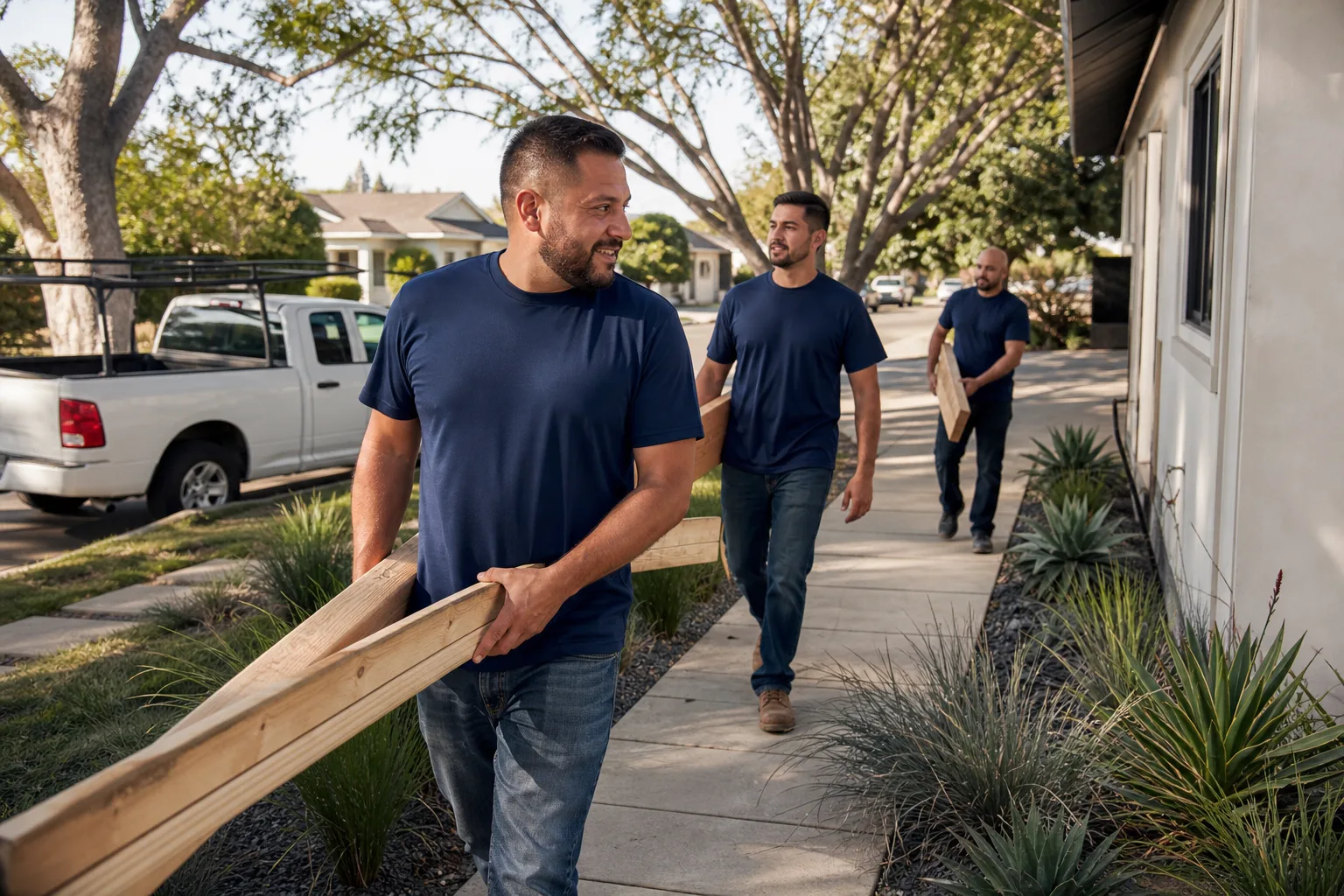
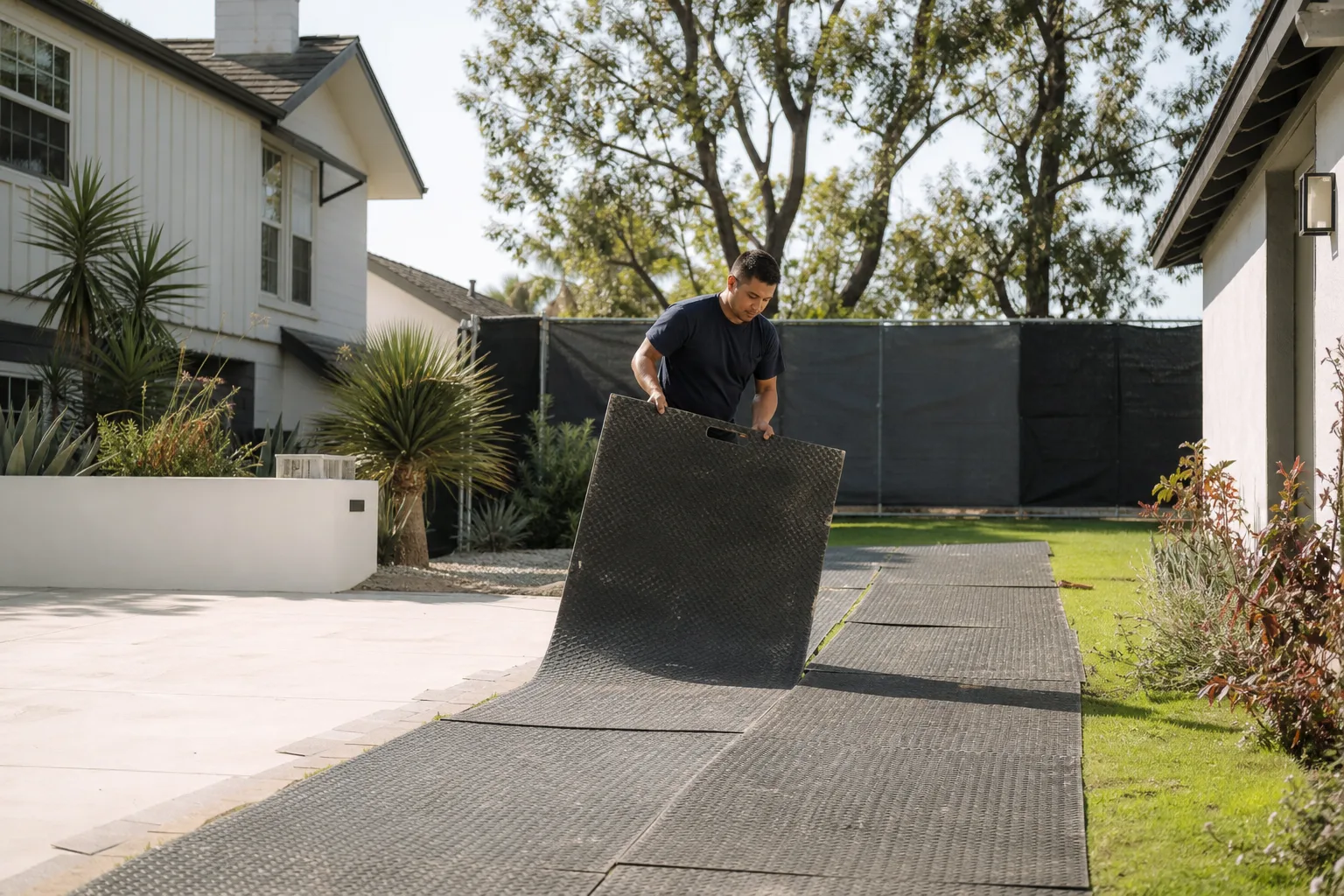
Most owners discover this phase failed when the project stalls: a drainage issue forces siding rework, a buried line sits exactly where a footing needs to go, or the city flag comes after rough framing because utility clearance wasn’t handled before inspection. If you’re staring at a James Hardie product that’s failing, warped, or leaking because the ground beneath it wasn’t prepared right, or because a utility conflicts with the wall assembly – we’d rather know now. If it’s the board itself failing, we can refer you to the right siding repair route as well. We stock site prep materials and utility supplies, and our crews come ready to correct existing site conditions.
Which James Hardie Models This Applies To
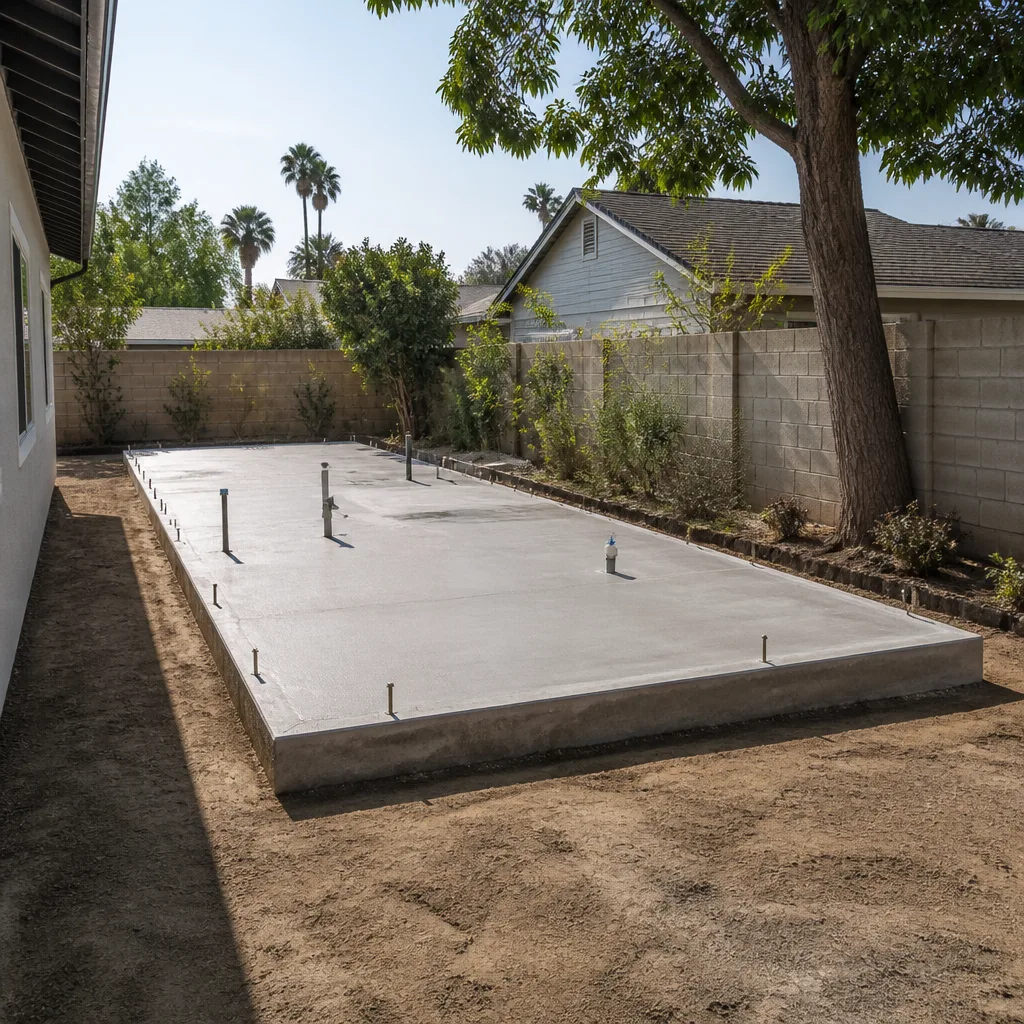
Site prep and utilities aren’t tied to a single James Hardie SKU. This work applies to the full HardiePlank lap siding line (4¼-inch, 5¼-inch, 6¼-inch, and 7¼-inch exposures), HardiePanel vertical siding, HardieTrim boards, and HardieSoffit panels. Every one of these products requires a straight, drained, and structurally stable wall plane – which starts below the surface.
The compatibility gotcha most owners miss: James Hardie’s installation specs require a minimum 6-inch clearance between the bottom edge of siding and finished grade. If your grade has settled or shifted (common in Los Angeles after drought cycles and the occasional heavy rain), your existing Hardie siding may now be sitting too close to the dirt. That’s a site prep fix, not a product failure. You’ll identify the relevant part by checking the backside of any removed board for the laser-etched code (formatted like HZ5 or HZ10, indicating the manufacturing plant and date) and measuring the plank width. For aftermarket repairs, we source equivalent fiber cement boards that match your Hardie profile’s thickness – typically 5/16-inch – and we verify the reveal matches so the patch doesn’t telegraph through paint. We’re not affiliated with James Hardie; we’re a builder who stocks and works with their materials daily.
Signs Your James Hardie Site Prep & Utilities Are Failing
- Water wicking up from the bottom edge of siding. This means grade clearance has shrunk below that 6-inch minimum, usually from soil buildup or settling over 5 – 10 years. The boards drink moisture and eventually delaminate at the lower lip.
- Siding buckling or nail-pops along the bottom two feet of a wall. The wall plane shifted because the slab or footing settled, or a utility trench was backfilled too loosely and compacted unevenly. Fixing the ground, not the board, solves this.
- Recurring rot at trim junctions where a hose bib, gas meter, or electrical riser passes through the wall. Poor utility routing created a moisture trap, and water now tracks along the line into the Hardie product.
- Efflorescence (white chalky residue) blooming on fiber cement boards near the foundation. Groundwater is being drawn up through soil that drains toward the house instead of away. In Los Angeles, we often see this on hillsides or parcels with aggressive soil types.
- An addition or ADU site repeatedly floods during winter rain, even after framing starts. The site prep phase was skipped or done wrong. You need corrected drainage, graded swales, and possibly utility rerouting before Hardie cladding will pass inspection or last as long as it should.
Replacement Cost & What’s Included
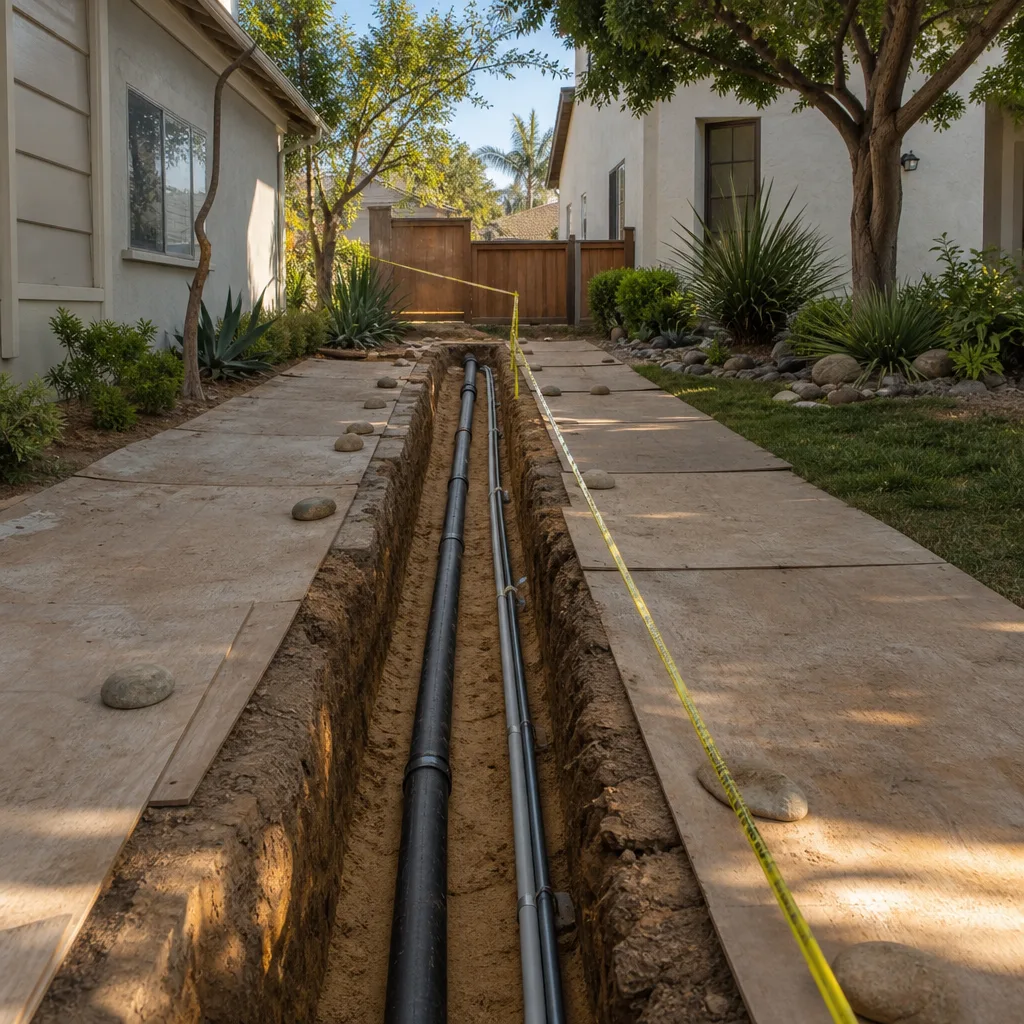
For the prep and utilities phase alone, Los Angeles homeowners should expect to pay $2,500 – $6,800. The spread comes down to three things: whether utilities are already stubbed within 10 feet of the structure, what the soil does (expansive clay and hillside lots inflate the number), and whether the city requires trench inspection for buried electrical or gas lines near a new wall. We give a written line-item price before work starts, and the number we hand you is the number you pay – no surprise change orders arriving at the gate.
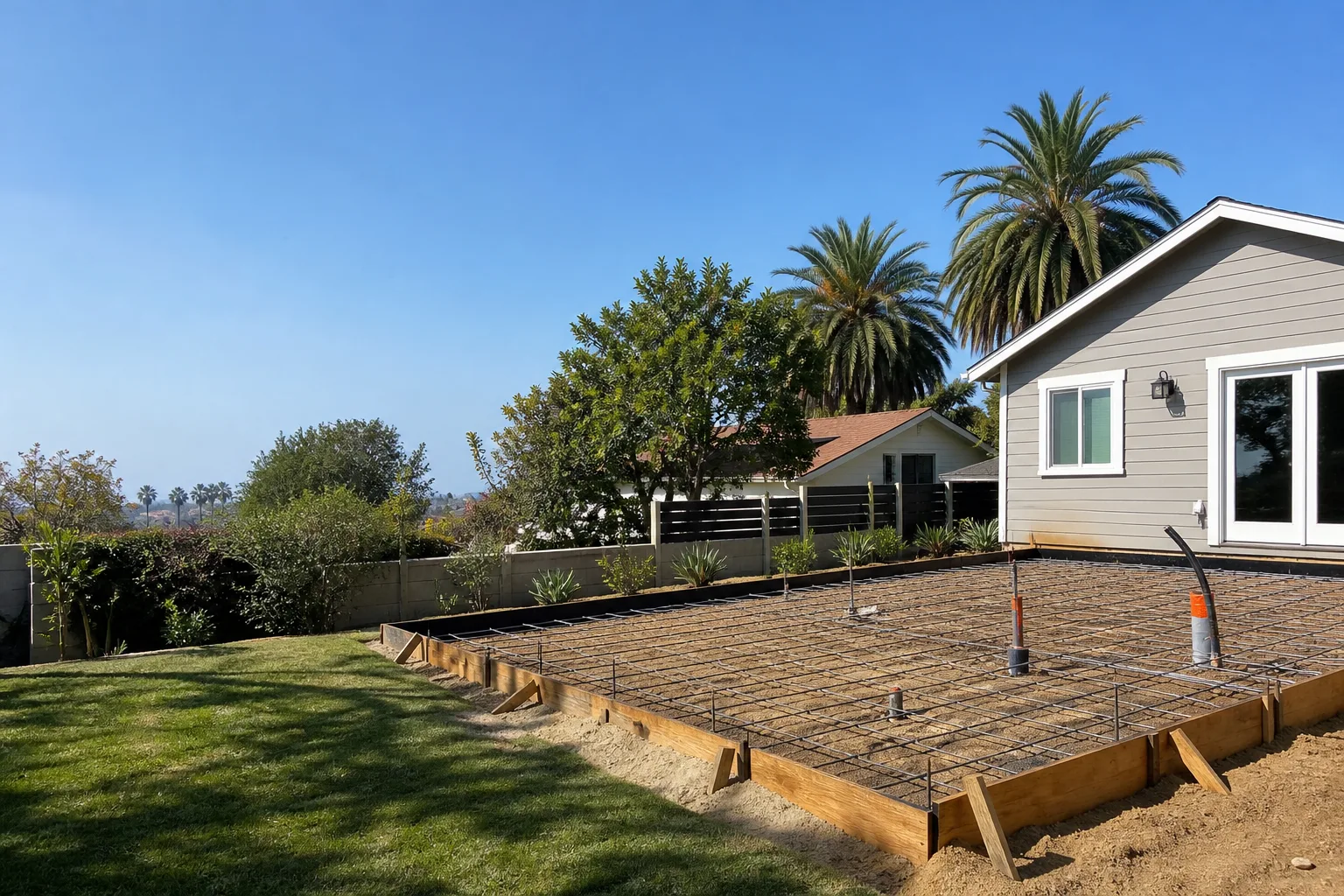
A typical scope includes rough grading and fill where the wall plane isn’t level, drainage correction (surface swales or a french drain leg), utility routing adjustments for clearance, pad compaction, and rough-in coordination for any service moving through the Hardie-clad wall. The work carries our 365-Day Done Right Promise: if the prep or utilities fail within a year, we come back and make it right. If a covered repair fails again, the second visit is free. Call (903) 568-7222 for a written estimate specific to your parcel.
DIY or Call Us?
You can inspect site conditions yourself without touching a tool. Walk the wall line after a rain and note where water pools within 18 inches of the house. Measure the clearance from your current siding’s bottom edge to the dirt. If it’s under 6 inches, you know the prep wasn’t right. Check for utility marks where any trench or footing will go, and photograph everything. None of that requires a contractor.
What you shouldn’t do yourself is trench near gas or electrical service. Hitting a buried line in Los Angeles can injure you, kill you, or cost tens of thousands in repair and fines. This is one phase where the danger is invisible, and the consequence of being wrong is permanent. Hire someone who pulls the utility locate, marks the run, and has insurance that covers what happens if the locate is wrong. We do this every week. Call (903) 568-7222 and we’ll walk the site with you, free estimate included.
FAQs
Proper drainage and utility routing should last the life of the structure, but the ground shifts over time, especially in Los Angeles clay that swells in winter and bakes in summer. Even with solid prep, expect to re-check grade clearance every 3 to 5 years. Our work carries a 365-Day Done Right Promise, and we’ll flag any future issues during the inspection. Call (903) 568-7222 to schedule a look at your current site condition.
Usually, yes. If the issue is grade clearance, drainage, or utility conflict, we can correct the ground without removing more than the bottom course or two of boards. It’s only when boards have already delaminated or wicked moisture past the paint layer that replacement becomes necessary.
Most corrections take 2 to 4 working days once the utility locate is completed and the permit path is confirmed. Complex sites with hillside compaction or utility relocation can run longer. We’ll give you a written schedule before work starts, because “we’ll be done when we’re done” isn’t a plan.
Yes. We carry drainage pipe, grading gravel, fill sand, compaction plates, trenching equipment, and the standard utility conduit and housings needed for most Los Angeles residential work. If your project needs something unusual, we order it and the estimate reflects it before any work begins. Call (903) 568-7222 for an exact quote, free.
Written by Troy Eastman, Owner & Lead Builder, Benson ADU Builders at Benson ADU Builders, serving Los Angeles and nearby areas.