Plant Prefab New Detached ADU: The Los Angeles Owner’s Guide
If you own a Plant Prefab detached ADU in Los Angeles and need a new unit built, upgraded, or a failing panel replaced, we stock Plant Prefab-compatible components and handle full detached ADU installations across LA. A complete new detached Plant Prefab ADU in Los Angeles typically runs $180,000 to $250,000 for a 500-square-foot unit, while panel replacement work on an existing structure usually falls between $8,000 and $22,000 depending on what’s failed and how much of the envelope needs to come apart. Most owners discover the issue the same way: a visible seam opening in a prefab panel, water staining at a corner joint, or a door that suddenly won’t latch because the panel behind it has shifted.
We’re an independent Los Angeles ADU contractor, not affiliated with Plant Prefab corporate, which means we can be blunt about what fails, what’s worth repairing, and what’s genuinely cheaper to replace. Troy Eastman grew up in the Palms neighborhood of LA and has been on enough Plant Prefab sites to know exactly where to look first.
Which Plant Prefab Models This Applies To
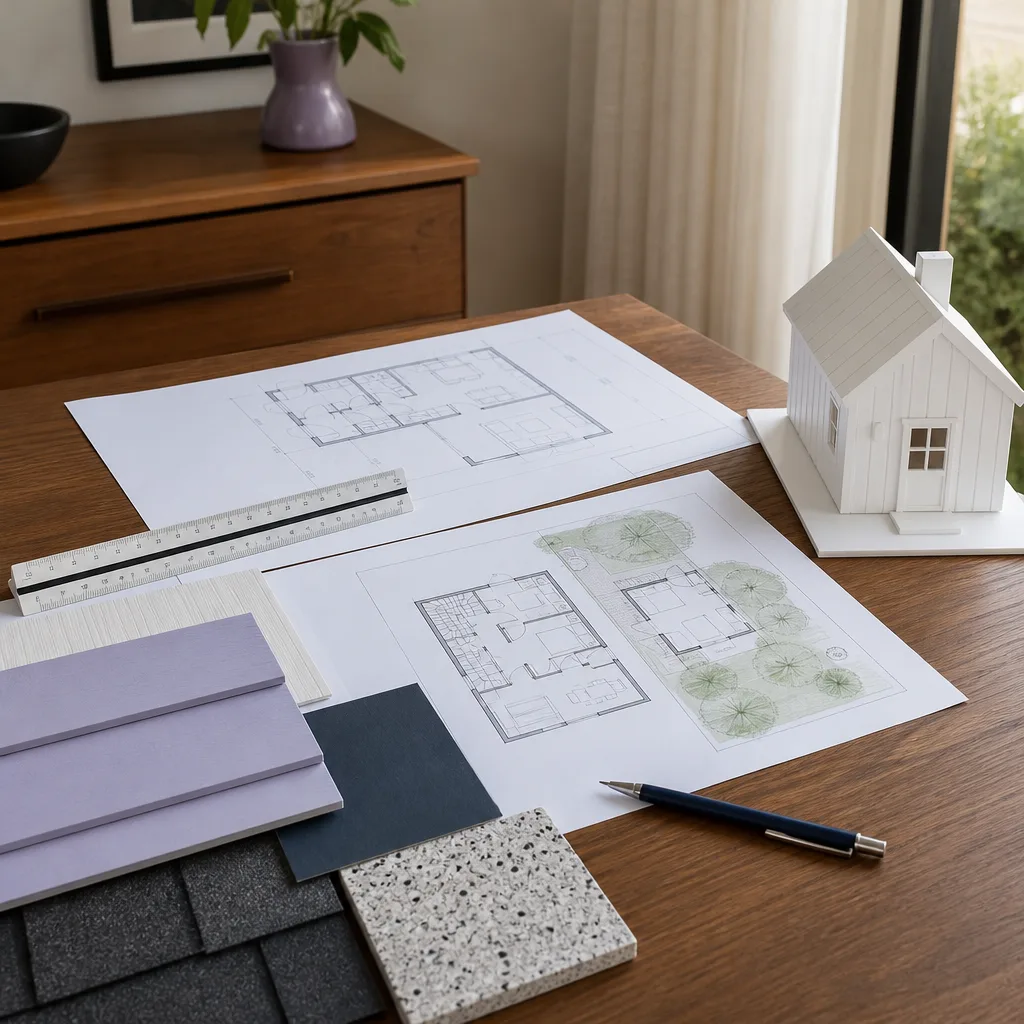
Plant Prefab’s living units in the LA market generally fall into two construction types: their panelized wall-and-roof systems and their full volumetric modules. The panelized models (their LivingHome series) ship as flat-packed structural insulated panels assembled on site, while the modular units arrive as near-complete boxes set by crane. The part you need depends heavily on which one you own.
The compatibility gotcha most owners miss: Plant Prefab panel seam tapes and flashings are specific to the panel thickness, not the model name. A LivingHome 1 and LivingHome 2 can have different wall depths (typically 6-1/2 to 8-1/4 inches), and using the wrong seam profile leaves you with a joint that won’t close flush. Before you order anything, check the stud depth printed on the inside face of any exposed panel edge, or measure at a window buck or mechanical chase. If the panel label is intact, it’ll show the serial and the build date; a panel built before 2021 uses a different exterior weather-resistive barrier spec than post-2021 production.
For OEM versus aftermarket: Plant Prefab’s own replacement panels carry the exact factory dimensions and coatings, but lead times from a corporate parts order can stretch past eight weeks if the unit is out of production. We routinely source equivalent SIPS panels and seam systems from California suppliers at a lower landed cost and faster turnaround. The aftermarket panels we use meet or exceed the same structural and fire ratings, and we’ll match the original exterior cladding so the repair isn’t visible from the street.
Signs Your Plant Prefab New Detached ADU Is Failing
- Visible seam separation at panel joints. Thermal cycling in Los Angeles, especially the hot-cold swings in the Valley and foothill communities, works seam tapes loose over five to eight years. A gap wider than a quarter inch means moisture is getting behind the weather barrier, and that’s the beginning of a real envelope failure.
- Water staining inside, usually at ceiling-to-wall corners. Flat and low-slope prefab roof panels drain via specific flashing details. When those flashings lift or crack, water pools and finds the seam. By the time you see a stain, the sheathing behind it has likely been wet for months.
- Doors and windows that bind or won’t latch cleanly. Prefab panels settle, but they shouldn’t settle unevenly. A door that rubs at the top corner often means the unit’s corner connection has loosened or the foundation pad has shifted slightly, which is common in Los Angeles hillside lots and clay soils.
- Soft spots or bubbling in the exterior cladding. Fiber cement and composite claddings on Plant Prefab units can trap moisture if the drainage plane behind them is compromised. Press on the cladding with a knuckle; a spongy feel means the panel behind it is saturated.
- Higher energy bills without a behavior change. A failed seam or delaminated panel is letting conditioned air escape. Owners in Los Angeles who run A/C hard in summer notice it first: the unit struggles to hold 72 on a 95-degree day, and the compressor cycles constantly.
Replacement Cost & What’s Included
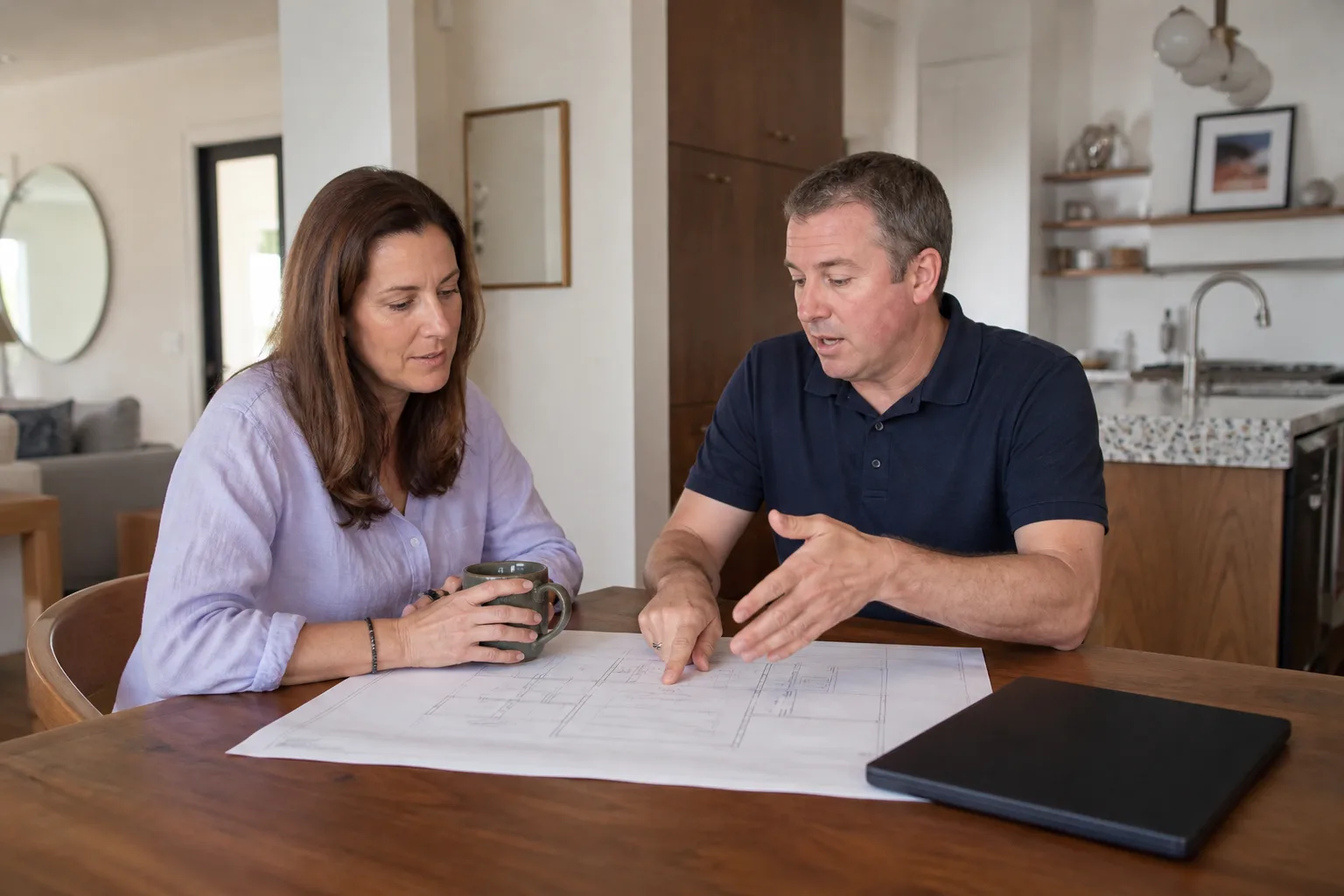
Here’s what we tell Los Angeles owners to budget, in writing, before anyone touches the building:
- Single panel replacement (wall or roof): $8,000 to $14,000 installed, including panel manufacture, crane or lift time if needed, seam resealing, flashing, and exterior cladding match.
- Multiple panel replacement or full envelope repair: $15,000 to $22,000, which covers panel removal down to the frame, replacement of compromised SIPS panels, new weather-resistive barrier, all seam tapes and flashings, and exterior finish match.
- Complete new detached Plant Prefab-style ADU (500 sq ft): $180,000 to $250,000, depending on site prep, foundation type, utility runs, and finish level. This is the number Troy quotes before the handshake, and it holds unless you change your mind about the tile.
Every line-item quote we give includes parts, labor, haul-off of the failed material, and a written 365-Day Done Right Promise: if the repair fails within a year, we come back and make it right at no charge, and the second visit is free if any covered repair fails. The price we write down is the price you pay, before a single shovel turns.
DIY or Call Us?
You can safely do a few things yourself before calling: mark the seam gaps with painter’s tape so you can track whether they’re growing, check for visible cracking in the exterior cladding, and photograph everything with a tape measure in frame so we both know what we’re looking at. What you should not do is peel back seam tape, pull a panel, or re-flash a roof joint. A compromised prefab wall panel is holding structural load, and once you break the seal on a corner connection, you’re into real rigging, lifting, and shoring territory.
If the panel has electrical rough-ins inside it, which many Plant Prefab panels do, you’re also dealing with live wiring behind a structural surface. That’s not a weekend project. Call us at (903) 568-7222 and we’ll send a background-checked technician in uniform to assess it, quote it in writing, and fix it right the first time.
FAQs
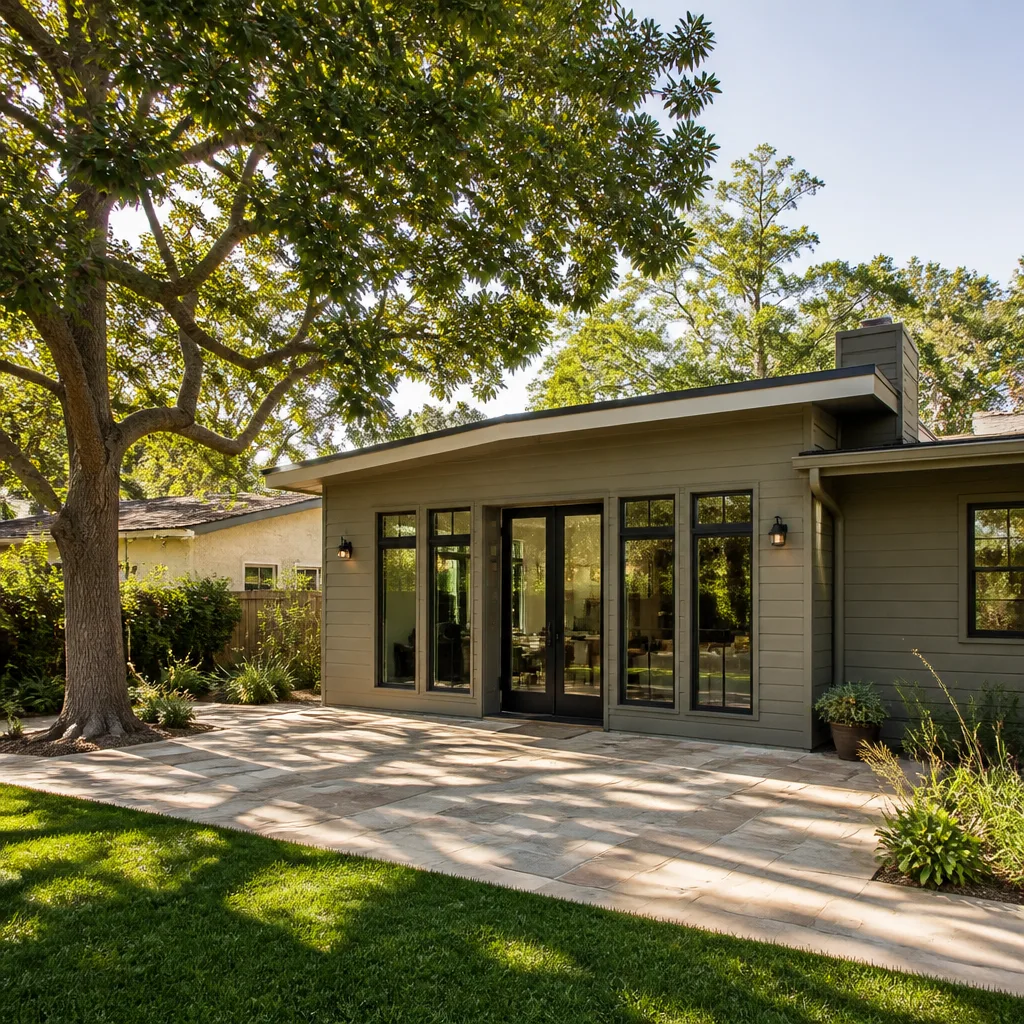
Realistically, 25 to 40 years for the structural panel itself, but the seam tapes and flashings that tie panels together have a service life closer to 8 to 12 years in Los Angeles heat and UV exposure. The panel rarely fails first; the connections do. Call (903) 568-7222 for an inspection and we’ll tell you honestly where your unit sits.
Sometimes, if the damage is isolated delamination or a surface coating issue, a panel can be re-skinned or re-laminated on site. But if moisture has reached the foam core or the OSB skin is compromised, repair is a patch, not a fix, and it’ll come back. We’ll quote both options and tell you which one we’d pick if it were our own backyard.
Most single-panel replacements on a Plant Prefab ADU take two to four days of on-site work, plus a week or two for panel manufacturing if we’re matching an odd size. We give you a written timeline with the quote and send photo updates as the work progresses.
We stock common seam tapes, flashings, fasteners, and trim profiles for Plant Prefab-style panelized units on our trucks, and we have standing relationships with three California SIPS manufacturers for full panel replacements, which means no eight-week corporate parts wait. Abodu, Cover, and Dvele component systems are also in our parts network, so if you own one of those brands too, the same truck can sort it.
If you’ve got a Plant Prefab detached ADU in Los Angeles that’s showing its age, start with a call. Every promise goes in writing before a single shovel turns. Dial (903) 568-7222 and we’ll get you a straight answer and a written number.
Written by Troy Eastman, Owner & Lead Builder, Benson ADU Builders at Benson ADU Builders, serving Los Angeles and nearby areas.