Dvele Site Prep & Utilities: The Los Angeles Owner’s Guide
We stock and install Dvele-compatible site prep and utilities components across Los Angeles, with most replacements running between $2,800 and $9,500 installed depending on what failed and how deep the utility run sits. Same-week scheduling is standard for most jobs, and we carry the common failure points on our trucks: water line fittings, electrical disconnects, sewer cleanouts, and foundation anchor bolt assemblies. Most owners discover a problem the same way – a pressure drop in the water feed, a tripped breaker that won’t reset, or a slow drain that turns into standing water around the foundation before storm season hits. If you’re reading this, you probably already know the sinking feeling of a utility problem with a prefab home, where the house arrived perfect but the ground underneath didn’t cooperate.
Benson ADU Builders is an independent service provider, not affiliated with Dvele. We work on their systems because Los Angeles demands it – more Dvele units sit on Southern California lots than almost anywhere else in the country, and site utilities are where the weak points show up first.
Which Dvele Models This Applies To
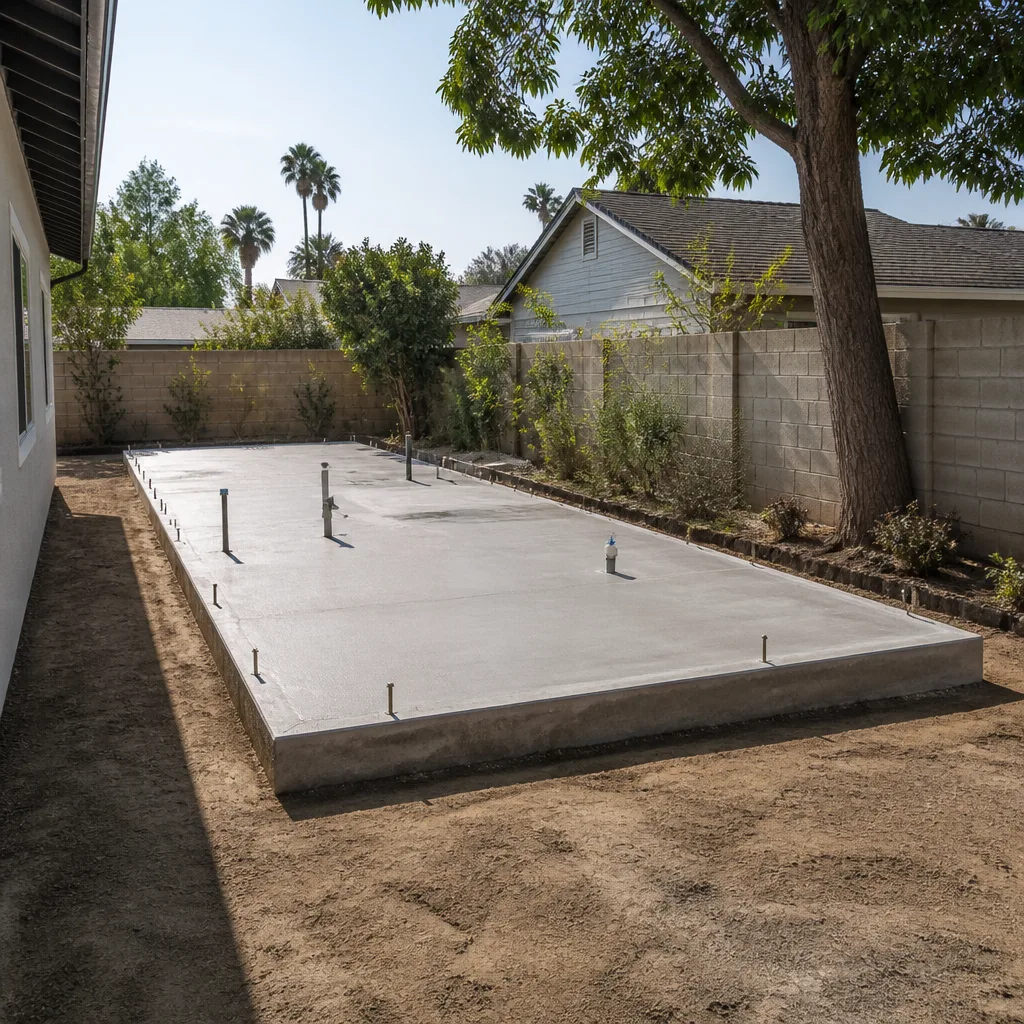
Dvele’s lineup here in Los Angeles splits into two site-prep profiles: the detached single-story units (their more common ADU footprint) and the two-story models, which carry heavier foundation load requirements and deeper utility stubs. The difference matters because a two-story Dvele on a hillside lot – think Mount Washington or Echo Park – places a different demand on drainage and sewer grade than a flat-lot unit in the Valley. We’ve seen the same water line fitting fail on both, but the fix cost differs based on whether the trench is three feet deep or eight.
Identifying your part without opening the ground: look for the stamped spec plate on the exterior utility chase panel, usually near the main disconnect. Dvele uses 1-inch PEX for their main water feed on most single-story modules and 1-1/4 on two-story, and swapping to the wrong diameter is the single most common compatibility mistake we correct from other contractors’ work. When it comes to replacement parts, OE-sourced fittings run 30-40% higher than the exact equivalent spec from brands like Zurn or Nibco – we’ll quote both and let you decide. For anything electrical, we always recommend OE or UL-listed exact-match only, no shortcuts.
Signs Your Dvele Site Prep & Utilities Is Failing
- Water pressure drops when a second fixture opens. The tell-tale sign of a crushed or kinked main feed, common after heavy rain loosens trench backfill in Los Angeles’s expansive clay soils. The pressure regulator masks it for a while, then it fails too.
- Breakers trip only when it rains. This usually traces to a compromised conduit seal at the foundation penetration, where water pools and wicks into the electrical run. It’s intermittent, which is why owners ignore it – and shouldn’t.
- Sewer smell near the foundation after a dry spell. A small crack in the ABS drain run lets gases escape, and the smell concentrates in summer heat. It’s more pungent around the exterior utility panel than inside the house.
- Standing water or a soft spot in the yard near the utility trench line. A leaking water feed or a failing french drain creates a localized sponge zone. Walk the trench path after two dry days – if it’s still soft, water is escaping.
- Foundation anchor bolts showing surface rust or loosening. Los Angeles’s marine air and morning dew cycles accelerate corrosion on exposed anchors. Loose anchors on a prefab module will telegraph into drywall cracks inside within a season.
Replacement Cost & What’s Included
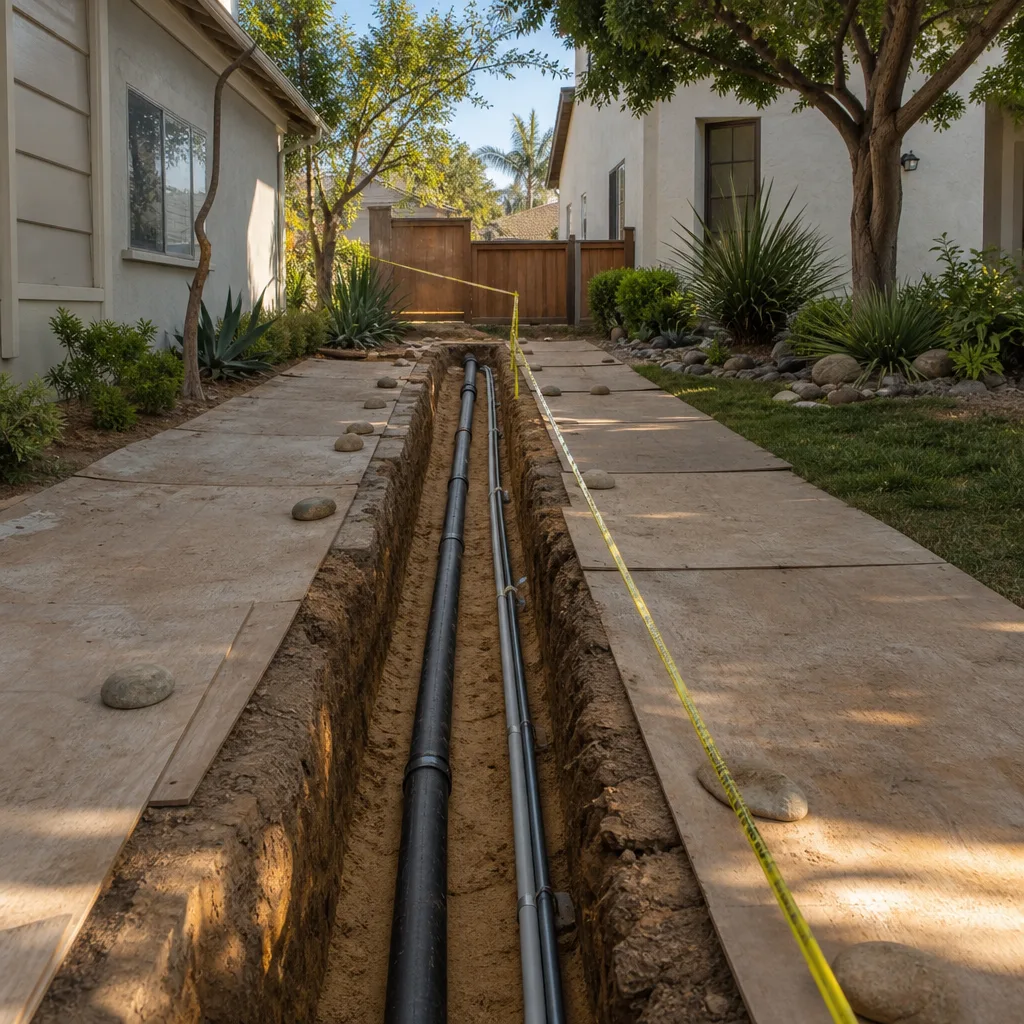
So what does this actually cost in Los Angeles and what do you get for the money? The work starts with a written line-item quote, before any trench is opened, and that number is the number – no change orders for ‘unforeseen soil conditions’ after we hit roots. Here’s the honest range by failure type:
- Water line fitting or section replacement: $2,800 – $5,400 depending on trench depth and whether we’re hand-digging around existing landscaping.
- Electrical disconnect or conduit repair at the foundation: $1,900 – $4,200, including re-sealing the penetration to current Los Angeles code and re-terminating the panel connection.
- Sewer line crack repair or cleanout replacement: $3,200 – $7,800. The spread covers a simple cleanout swap on the shallow end versus excavating a cracked pipe run across a finished backyard on the deep end.
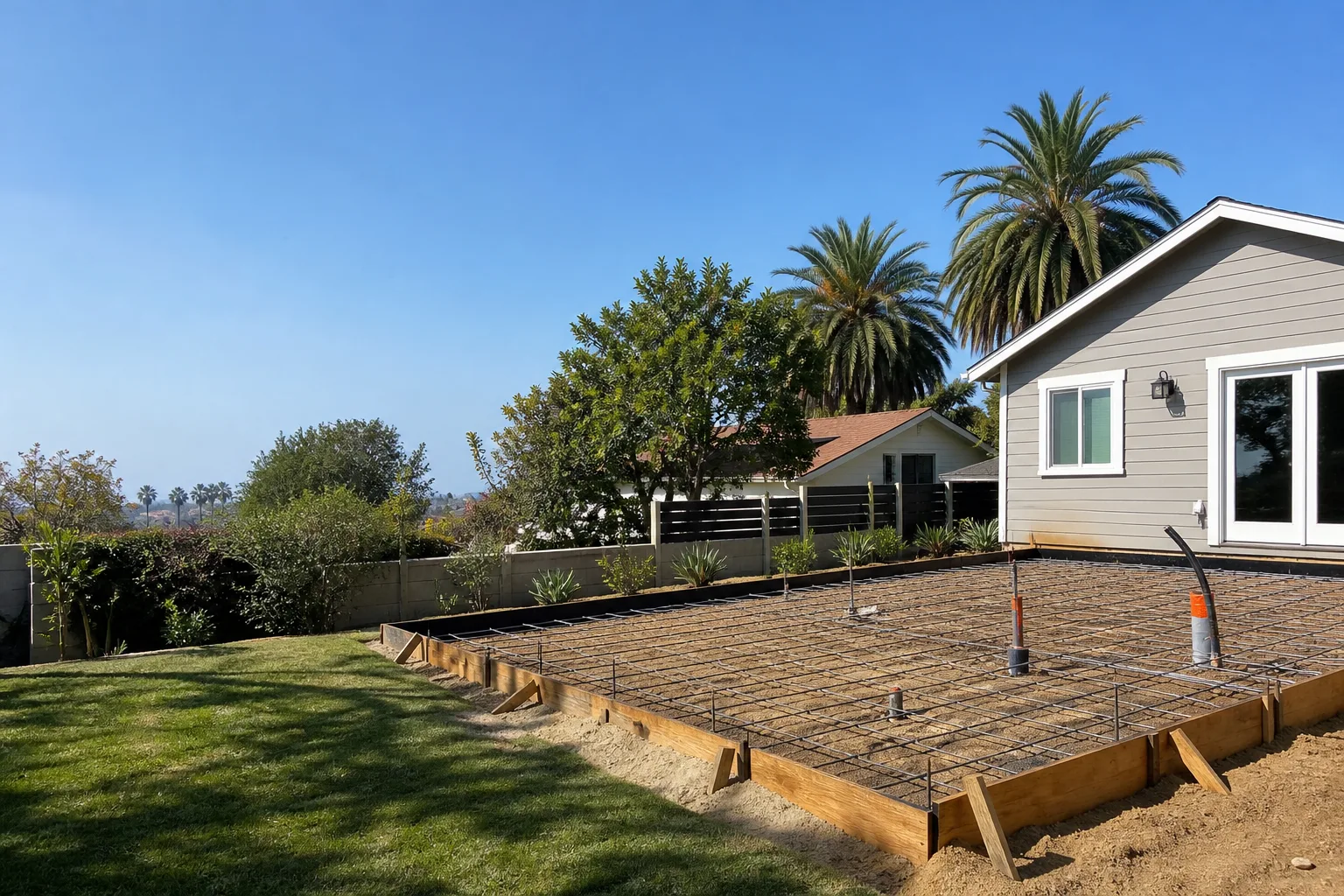
- Full site utility package for a new Dvele placement: $14,000 – $32,000. This includes water, sewer, electrical trenching, panel and disconnect, grounding, and rough-in stubs positioned to Dvele’s factory specs.
Every installed part carries our 365-Day Done Right Promise in writing. If a covered repair fails within a full year, we return and make it right on our dime – no second invoice, no argument, and a free second visit.
DIY or Call Us?
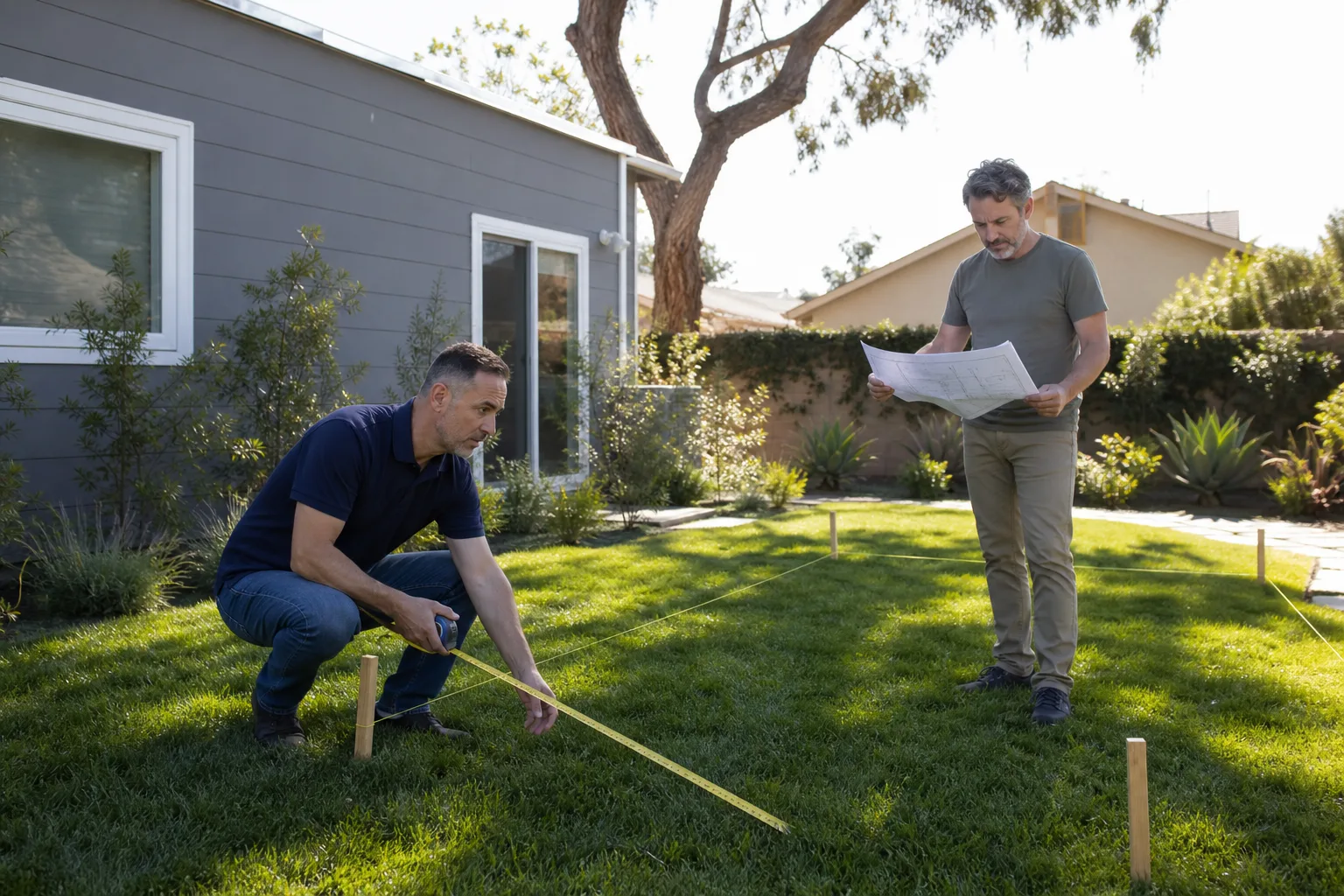
What you can safely check yourself: visual inspection of exposed anchors for rust, reading your water pressure at a hose bib with a $15 gauge, and checking the breaker panel for moisture or corrosion marks. That’s genuinely useful, and it helps you decide where the problem lives before anyone digs. What you should not DIY: anything involving the gas line, the main electrical disconnect, or a sewer line you suspect is cracked. The first two can kill you, and the third will ruin a weekend and then cost more to fix correctly. Concrete cutting for trench work without a utility locate is the fastest way in Los Angeles to turn a $3,000 repair into a $10,000 emergency. We mark every underground utility before a shovel goes in, and our crew is background-checked and uniformed – you’ll know exactly who’s on your property. If you’ve got a Dvele utility problem that’s making you nervous, call us at (903) 568-7222 and we’ll talk through what you’re seeing.
FAQs
Properly installed site utilities should last 30-50 years, but the weak points – fittings, seals, anchor hardware – typically need attention every 8-15 years in our climate. Los Angeles’s freeze-thaw cycle is mild compared to mountain regions, but the real wear comes from soil movement in expansive clay zones and marine air corrosion nearer the coast. If your Dvele sits on a hillside with clay underneath, expect anchor and drain attention sooner than a slab-on-grade Valley lot.
Repairs are possible for isolated failures – a single cracked fitting, one failed disconnect, one section of crushed conduit. But if the issue is systemic, meaning the original trench was backfilled with debris or the pipe run was under-sized from day one, piecemeal fixes just move the failure point down the line. We’ll give you an honest read on which situation you’re in before quoting anything. Call (903) 568-7222 for that assessment.
A single point-of-failure repair – one water fitting, one electrical disconnect, one cleanout – is typically a one-day job once the trench or access point is open. A full sewer run replacement or complete utility re-trench usually runs three to five days, including backfill, compaction, and inspection. We give you a written schedule with photo proof as the work progresses, not a ‘we’ll be there sometime next week.’
Yes – we keep the common failure parts on our trucks: 1-inch and 1-1/4 PEX and brass fittings, Zurn and Nibco equivalents, electrical disconnects rated for California’s solar-ready panel requirements, ABS sewer fittings, and galvanized anchor hardware. If you own an Abodu, Cover, or other prefab unit, many of these same parts cross over, and we service those too. For exact pricing and same-week scheduling, call (903) 568-7222 – a live person answers, every time.
Written by Troy Eastman, Owner & Lead Builder, Benson ADU Builders at Benson ADU Builders, serving Los Angeles and nearby areas.